About Kibale National Park
Kibale National Park: Uganda’s Primate Capital
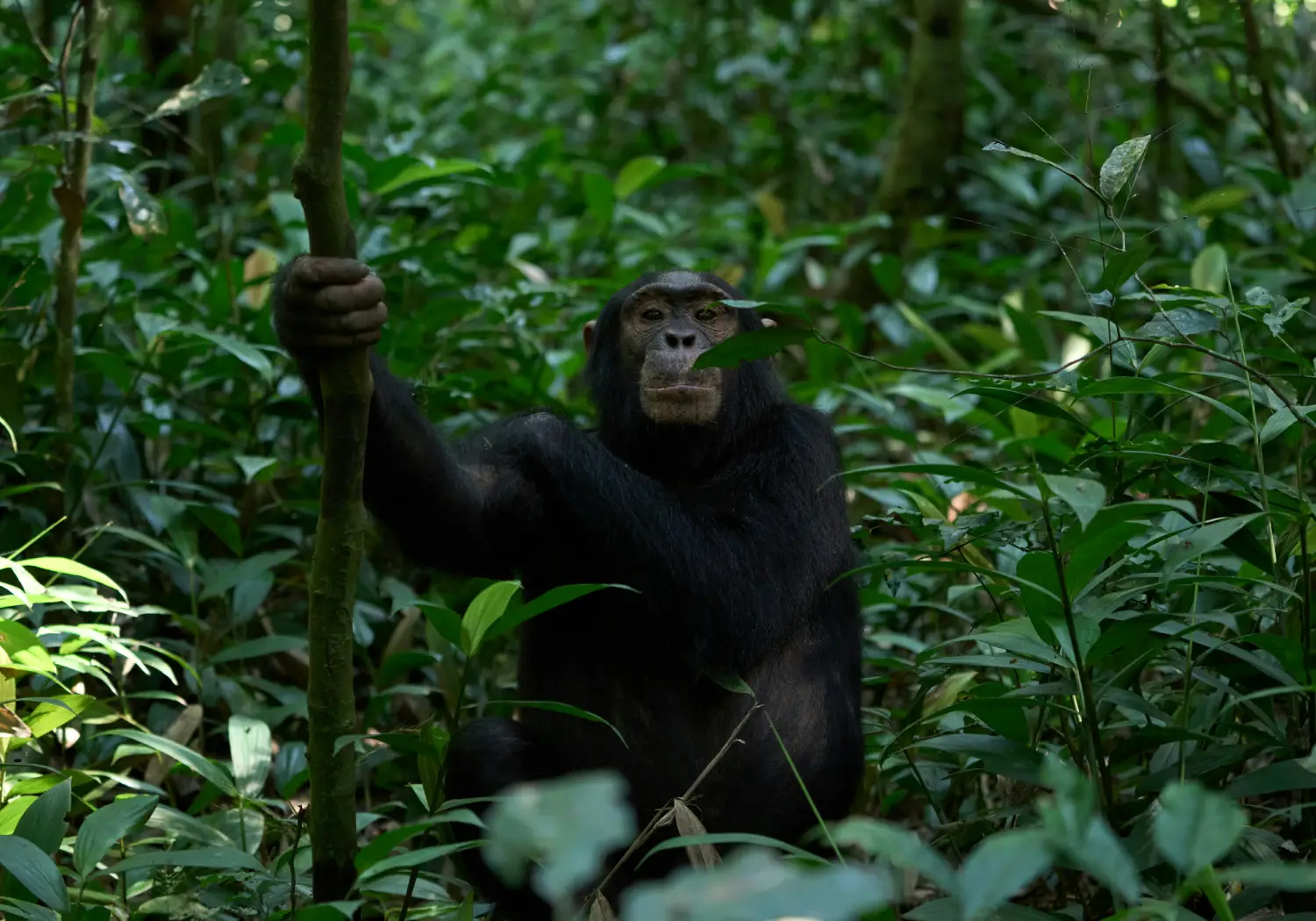
Kibale National Park is one of Uganda’s most rewarding destinations for chimpanzee trekking, primate watching, birding, and rainforest adventures. Located in western Uganda, the park protects a rich tropical forest where chimpanzees share the canopy with several monkey species and hundreds of birds.
Although chimpanzee trekking in Kibale National Park attracts most travellers, the experience goes beyond searching for great apes. Forest walks, birdwatching, community experiences, and nearby crater lakes add variety to a safari. As a result, Kibale is an excellent destination for travellers who want to experience Uganda’s forest wildlife in a setting very different from the open savannah.
Where Is Kibale National Park Located?
Kibale National Park lies in western Uganda, near Fort Portal and the famous crater-lake region. The park covers about 795 square kilometres of forest, woodland, and grassland, creating a diverse habitat for primates and other wildlife.
Its location also makes it easy to combine Kibale with other Ugandan attractions. For example, many travellers continue to Queen Elizabeth National Park, creating an itinerary that combines chimpanzee trekking with savannah game drives and a Kazinga Channel boat cruise.
Why Is Kibale National Park Famous?
Kibale is particularly famous for its chimpanzees and exceptional concentration of primates. The forest provides habitat for several species of monkeys, making it one of East Africa’s notable destinations for primate encounters.
Chimpanzee trekking remains the park’s signature activity. However, sightings are never guaranteed because these intelligent animals move freely through their natural habitat. That unpredictability makes each trek feel like a genuine search rather than a staged wildlife encounter.
What Wildlife Can You See in Kibale?
Kibale supports an impressive variety of forest wildlife, with primates taking centre stage.
Wildlife to look for includes:
- Chimpanzees — The park’s main attraction and Uganda’s most famous great ape trekking experience.
- Red colobus monkeys — Agile forest primates often seen high in the canopy.
- Black-and-white colobus monkeys — Easily recognised by their contrasting coats and long tails.
- Red-tailed monkeys — Active primates frequently encountered during forest walks.
- Blue monkeys — Agile monkeys that spend much of their time among the trees.
- L’Hoest’s monkeys — Forest-dwelling primates with distinctive facial markings.
- Olive baboons — More commonly seen around forest edges and open areas.
- Forest elephants — Present in the ecosystem but difficult to spot in dense vegetation.
- Bushbucks and duikers — Shy antelopes that inhabit the forest undergrowth.
What Birds Can You See in Kibale?
Kibale is also an excellent destination for birdwatching in Uganda, particularly for travellers interested in forest species. The combination of mature woodland, open areas, and wetlands supports a wide range of birds.
Birds to look for include:
- Great blue turaco
- African pitta
- African grey parrot
- Black bee-eater
- Crowned eagle
- Western tinkerbird
- White-naped pigeon
- Yellow-rumped tinkerbird
- Red-faced woodland warbler
- Dusky crimsonwing
A dedicated birding walk can provide more time to search for elusive species than a standard chimpanzee trek.
What Is Chimpanzee Trekking Like?
Chimpanzee trekking in Kibale begins with a briefing before visitors enter the forest with experienced guides and trackers. The group follows trails while listening for calls, looking for feeding signs, and tracking the movements of chimpanzee communities.
Once the chimpanzees are located, visitors can observe their natural behavior from a respectful distance. You may see them feeding, climbing trees, grooming, calling, or moving through the canopy. The forest can be humid and trails may become muddy, but the anticipation of finding the chimpanzees makes every step worthwhile.
What Other Activities Can You Enjoy?
Beyond chimpanzee trekking, travelers can enjoy guided nature walks, birdwatching, and community-based experiences around Kibale. The nearby Bigodi Wetland Sanctuary is especially popular for guided walks, primate encounters, birding, and cultural experiences.
The crater lakes surrounding Fort Portal also provide opportunities for scenic drives, photography, hiking, and relaxing amid beautiful landscapes.
What Is the Best Time to Visit Kibale?
The best time to visit Kibale National Park is generally from June to September and December to February, when relatively drier conditions can make forest trails easier to navigate.
Nevertheless, Kibale remains a rainforest, so rainfall can occur throughout the year. The wetter months produce lush scenery and can be rewarding for birdwatching, although muddy trails may make trekking more challenging.
Why Should You Visit Kibale National Park?
Kibale National Park combines chimpanzee trekking, remarkable primate diversity, rainforest scenery, birdwatching, and cultural experiences in one destination. Rather than watching wildlife from a vehicle on open plains, visitors venture beneath a dense canopy where every call, rustle, and movement can lead to an exciting discovery.
For travelers fascinated by chimpanzees and forest wildlife, Kibale offers an immersive Uganda safari experience that feels wild, intimate, and refreshingly different.
Highlights
- Chimpanzee trekking deep in Uganda’s lush rainforest
- Close encounters with playful red-tailed and colobus monkeys
- Rare forest birds hidden among towering tropical trees
- Guided walks through the vibrant Bigodi Wetland Sanctuary
- Scenic crater lakes and breathtaking landscapes around Fort Portal
Kibale National Park map
Explore the location of Kibale National Park and see how it fits into your Kenya safari journey.