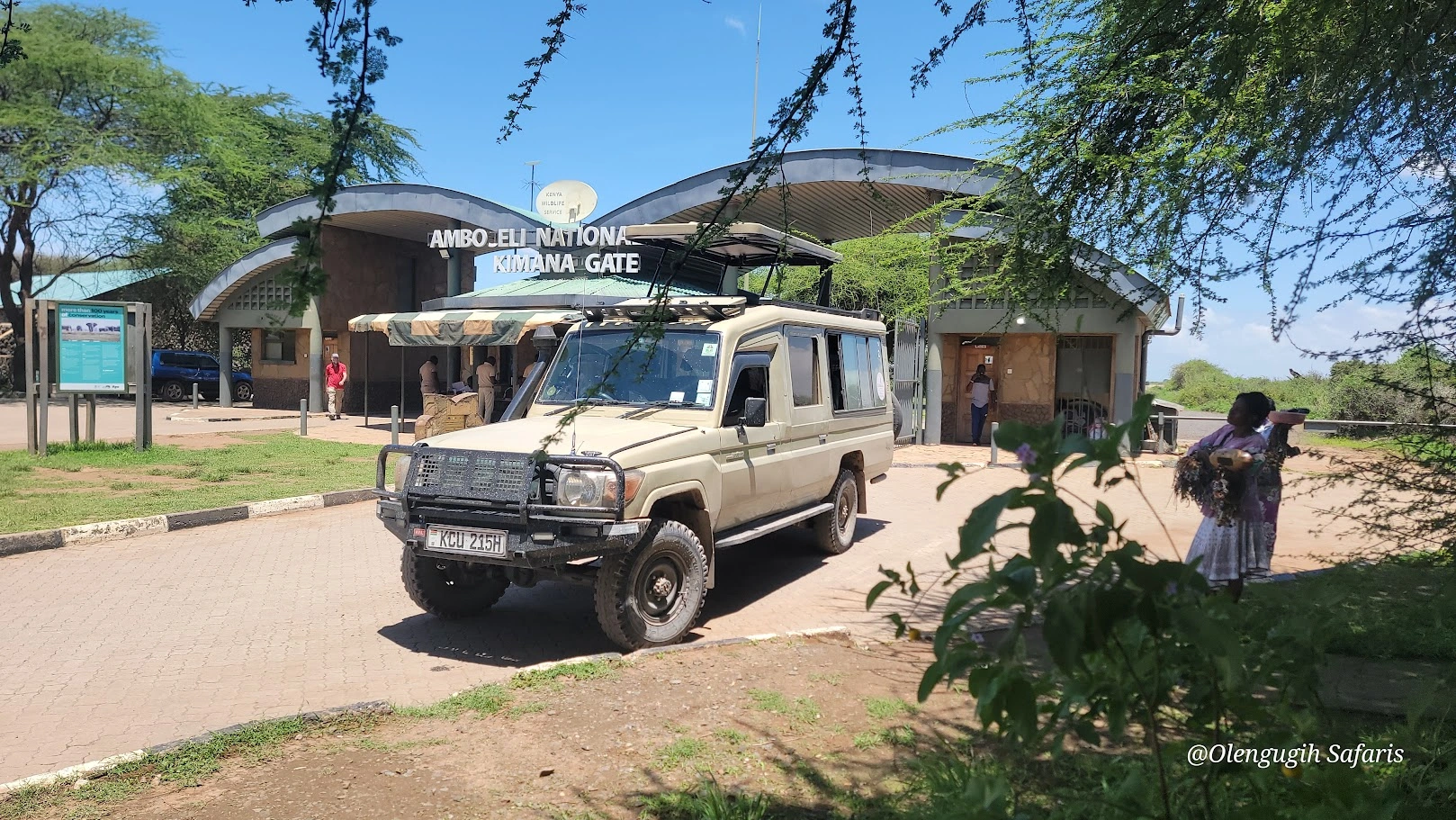
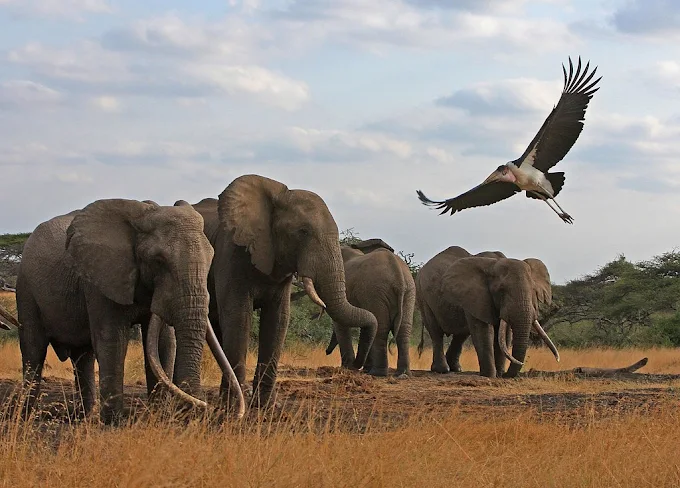
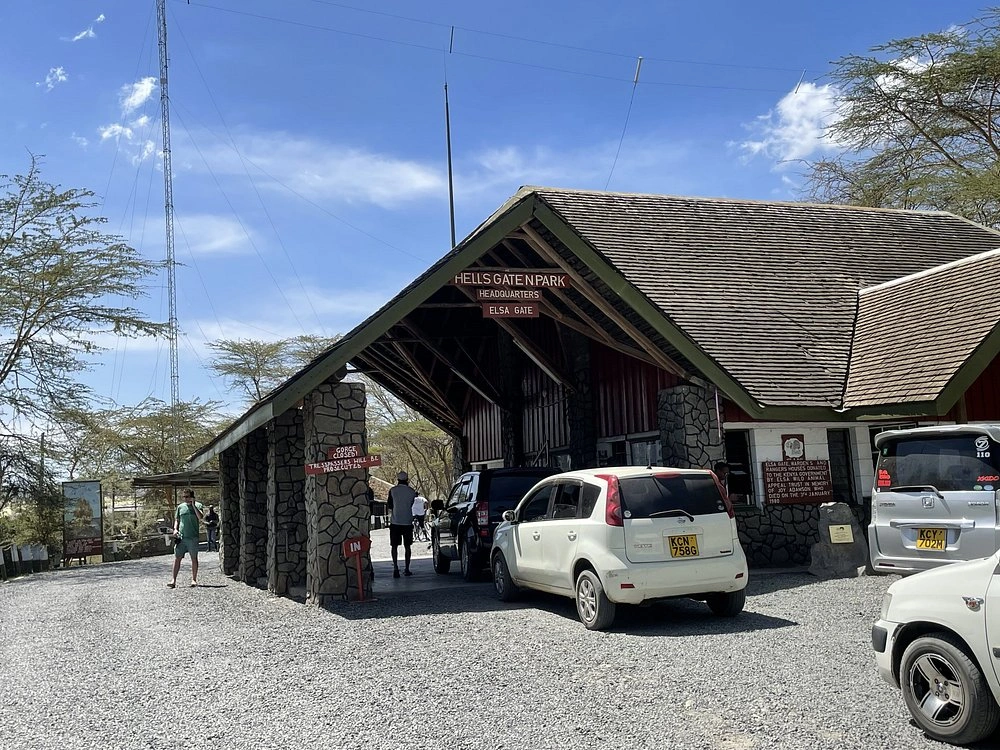
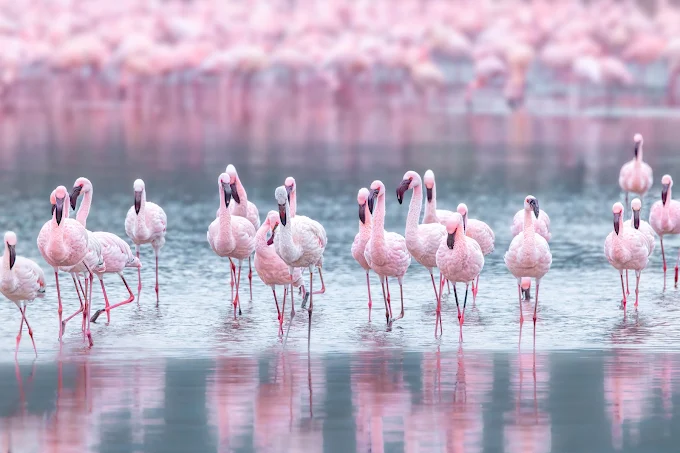
Kenya National Parks are easier to plan when you compare the landscape, wildlife, access, season and type of experience rather than choosing a name in isolation. This Olengugih Safaris collection brings together published national parks in Kenya and gives you a practical starting point for deciding which places fit your route, travel dates and interests.
Planning Kenya national parks
National parks are formally protected landscapes with their own habitats, road networks, entry rules and visitor experiences. The best choice depends on the wildlife, scenery and route you want. Each destination has its own travel rhythm. Some places work well as a short stop between larger safari areas, while others deserve several nights because of their size, road network or range of activities. Before adding a destination, check how long it takes to reach from the previous stop and how much useful time will remain after the transfer.
Use our wider East Africa destination library to compare other parks, reserves, conservancies and attractions. A route becomes more efficient when neighbouring places are combined logically. This can reduce unnecessary backtracking and leave more time for game drives, walks, conservation visits, cultural experiences or rest.
Wildlife, landscapes and activities
Wildlife viewing is naturally variable. Rainfall, water, vegetation, migration, breeding behaviour and human activity can all influence where animals are found. A destination guide should therefore explain habitat and likely experiences without promising a specific sighting. Good guiding remains important because local conditions can change from one day to the next.
Think about the activities that matter most to you. Classic vehicle game drives may be the priority in one place, while another destination may be stronger for walking, birding, primates, conservation learning, scenery or cultural interaction. Browse our safari experiences to compare interests that can help shape the route around what you actually want to do.
Best time and seasonal planning
There is rarely one perfect month for every traveller. Drier periods can make roads easier and wildlife more concentrated around dependable water, while greener months may bring dramatic landscapes, young animals, strong birding and fewer visitors. Peak seasons can also affect accommodation availability and price. Your best travel window depends on the balance you want between wildlife conditions, weather, visitor numbers and budget.
Ask about local road conditions if you are travelling during or soon after heavy rain. In remote areas, transfer times can be longer than a map suggests. If your itinerary depends on a flight, boat, permit or scheduled activity, build enough time into the plan so that one delay does not affect the whole journey.
Questions to ask about a destination
- How many nights are practical for the size of the area?
- What are the main activities and are any permits required?
- How long is the transfer from the previous and next stop?
- Which accommodation locations reduce unnecessary driving?
- What seasonal changes affect access or wildlife viewing?
- Are there age, mobility or safety restrictions for key activities?
Accommodation and route design
Where you stay can change the experience. A camp or lodge close to the area you want to explore may allow earlier starts and shorter transfers, while a property farther away may offer a different price or style of stay. Compare options in our hotels and lodges section and make sure the final quotation identifies the actual property or an agreed standard.
If you are planning a multi-day trip, review the published safari packages that include similar destinations. They can show common route combinations and realistic trip lengths. You do not need to copy a published itinerary exactly; it is often better to use it as a framework and adjust the pace around your flight times, interests and preferred accommodation.
Responsible travel and practical preparation
Protected areas and visitor attractions have rules designed to protect wildlife, habitats and guests. Follow guide instructions, respect viewing distances, avoid littering and do not pressure a driver to leave approved tracks. In community or conservation landscapes, local rules may also govern night drives, walking, off-road access or visitor numbers. Responsible behaviour supports the long-term value of the destination.
Carry suitable clothing for changing temperatures, sun protection, drinking water and any personal medication you need. Binoculars improve wildlife and birding experiences even when you are not a specialist photographer. Travel insurance is also important because remote travel can involve medical, transport or cancellation costs that are not covered by a normal safari quotation.
Build a practical Kenya journey
Once you have compared the destinations in this collection, note the places that best match your interests and available time. Continue with our safari travel guide for broader planning advice, or send your preferred dates and route through the contact page. Olengugih Safaris can then check current availability and help turn the shortlist into a practical itinerary and quotation.

 National Park