Great Lakes of Kenya travel guide
Great Lakes of Kenya is the Olengugih Safaris editorial destination category for important Kenyan lake landscapes that can form part of a wildlife, bird watching, photography or nature focused journey. Kenya has a remarkable variety of lakes, from freshwater basins to alkaline Rift Valley wetlands and vast inland waters. Each lake has a different ecological character, visitor experience and conservation story, so this collection is designed to help travellers compare them rather than treat every lake as the same type of destination.
This category is a travel planning structure used by Olengugih Safaris. It is not a formal government protected area classification. Some lakes lie inside national parks or national reserves, some are Ramsar wetlands, some are associated with wildlife sanctuaries, and others include public, private and community managed areas. Before travelling, visitors should always check the current rules that apply to the specific lake, park, reserve or activity.
What makes the lakes of Kenya different?
Kenyan lakes reflect the geology, rainfall, altitude and hydrology of very different regions. In the Great Rift Valley, some lakes are freshwater while others are alkaline or saline. Water levels can change significantly between seasons and years. These changes affect shorelines, bird concentrations, vegetation and access. A lake that is famous for one wildlife spectacle in a particular season may look very different at another time.
For travellers, this variety is a major advantage. A Kenya safari can combine classic game drives with boat trips, bird watching, walking, geothermal scenery, cultural encounters and relaxed lakeside stays. The lake destinations also create useful links between Nairobi, central Kenya, the Rift Valley and the Masai Mara circuit.
Lake Naivasha, freshwater wildlife and boat experiences
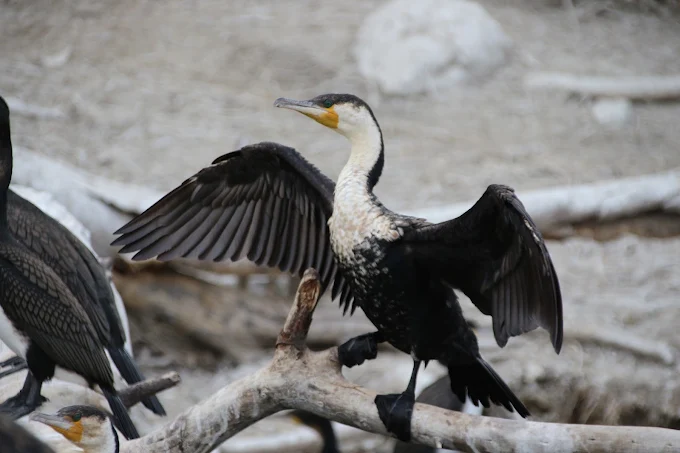
Lake Naivasha is one of the most accessible lake destinations from Nairobi. It is a shallow freshwater lake in Nakuru County and is internationally recognized as a Ramsar wetland. Papyrus, acacia woodland, open water and river inflows support a rich wetland ecosystem. Guided boat trips are popular for bird watching and respectful hippo viewing, while nearby attractions add walking, cycling and volcanic scenery.
Lake Naivasha is especially useful for travellers who want variety within a road safari. It combines naturally with Hell's Gate National Park and can also connect easily with Lake Nakuru National Park. A one night or two night stay can break up a longer safari and provide a slower experience between game drive destinations.
Lake Nakuru, rhino conservation and Rift Valley scenery
Lake Nakuru National Park surrounds a famous Rift Valley lake and is an important wildlife destination in its own right. The park is known for black and white rhinos, buffalo, giraffes, lions and diverse birdlife. The lake and surrounding woodland, grassland and escarpment create a compact safari environment that works well for travellers who want wildlife viewing within a shorter drive from Nairobi.
Lake Nakuru and Lake Naivasha are often paired because they offer complementary experiences. Naivasha emphasizes boat activities, wetland scenery and nearby adventure options, while Nakuru provides a more traditional protected area game drive experience.
Lake Bogoria, geothermal landscapes and flamingo interest
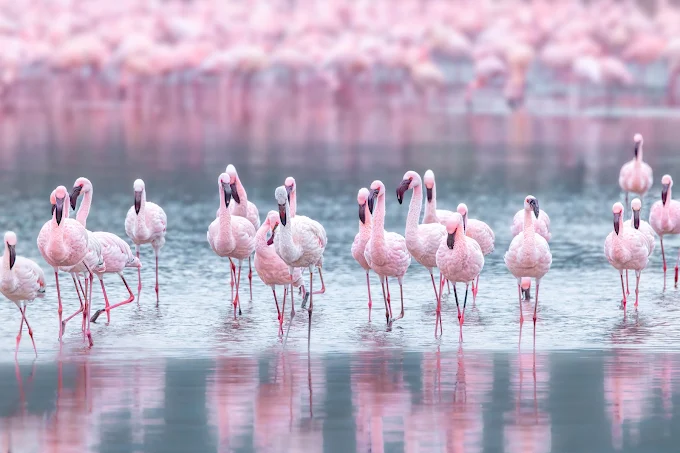
Lake Bogoria National Reserve offers a very different lake experience. The reserve is known for dramatic geothermal activity, hot springs, rugged Rift Valley scenery and important birdlife. Flamingo numbers can change according to water chemistry, food conditions and movements between Rift Valley lakes, so no specific concentration should be promised for a particular date.
Lake Bogoria can appeal to repeat safari travellers, photographers and visitors interested in landscapes as much as large mammals. It also demonstrates why the Great Lakes of Kenya category should be planned around ecological differences rather than a single idea of what a lake safari should look like.
How to choose the right Kenya lake destination
Choose Lake Naivasha if you want boat trips, lakeside relaxation, bird watching and easy access to Hell's Gate National Park. Choose Lake Nakuru if rhinos, game drives and a protected national park setting are stronger priorities. Choose Lake Bogoria if geothermal scenery, remote Rift Valley character and seasonal flamingo interest are central to the trip.
Travellers with a strong bird watching interest can review our Birding Safaris in Kenya guide. Travellers building a wider wildlife route can browse our Kenya safari packages and combine lake destinations with the Masai Mara, Amboseli, Samburu, Ol Pejeta or other published destinations.
Best time to explore the Great Lakes of Kenya
There is no single best month for every lake. Drier periods often provide easier road travel and comfortable outdoor conditions, while wetter months can bring greener scenery, stronger landscape photography and changing bird activity. Migratory birds can add interest during parts of the period from October to April. Flamingo movements between alkaline lakes are dynamic and should never be treated as guaranteed on a fixed date.
Because lake levels and weather can change, the most useful planning approach is to match the destination to the experience you want, then check current local conditions shortly before travel. For boat activities, wind and water conditions matter. For game drives, road access and vegetation influence wildlife viewing. For photography, light and seasonal colour may be as important as animal density.
Conservation and responsible lake travel
Kenyan lakes are sensitive ecosystems. Shoreline development, water use, invasive species, pollution, agriculture, settlement and changing rainfall patterns can all affect wetland health. Travellers can reduce their impact by avoiding litter, respecting riparian vegetation, using responsible boat operators, keeping safe distances from wildlife and following rules in protected areas.
Lake Naivasha is listed as Ramsar Site number 724, and its international wetland importance is documented by the Ramsar Sites Information Service. Protected areas around other lakes may be managed by Kenya Wildlife Service or other authorities. Official guidance should take priority over old travel articles when fees, access rules or conservation regulations change.
Planning a lake circuit with Olengugih Safaris
A strong lake itinerary should avoid adding destinations only to increase the number of stops. The better approach is to connect places that provide genuinely different experiences. Lake Naivasha can add boating and a relaxed lakeside stay. Lake Nakuru can add rhino focused wildlife viewing. Lake Bogoria can add geothermal landscapes and a quieter reserve experience. When these are combined thoughtfully, the route becomes more varied without becoming rushed.
Olengugih Safaris can build lake destinations into private Kenya journeys, short Rift Valley escapes and longer wildlife itineraries. We consider travel time, accommodation location, activity schedules, park rules and the pace preferred by the traveller. As additional Kenyan lake guides are published, this category can expand while keeping the same focus on accurate planning, responsible travel and useful destination comparisons.


 Reserve