About Lake Mburo National Park
Lake Mburo National Park: Uganda’s Zebra and Antelope Haven
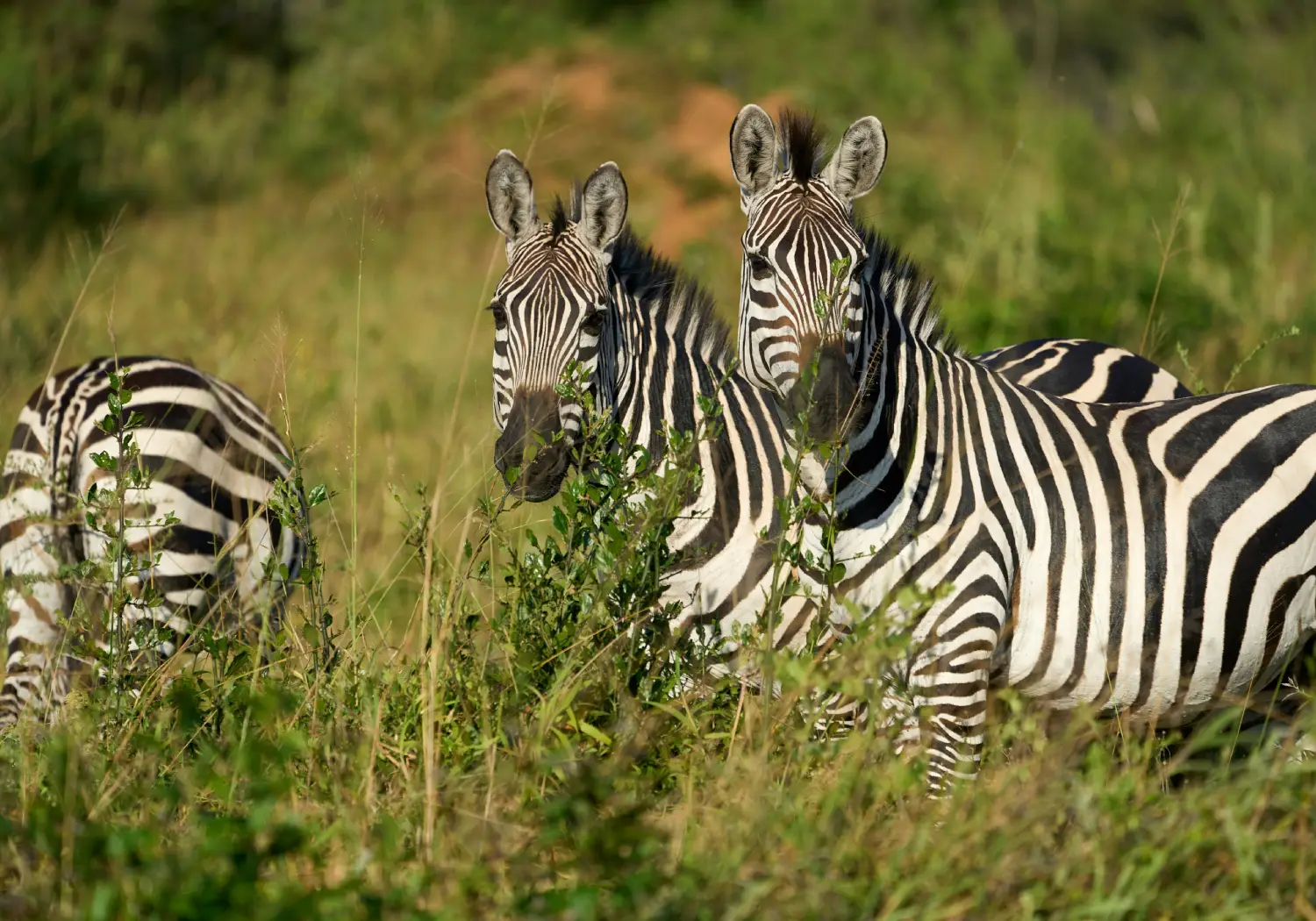
Lake Mburo National Park is a compact but remarkably diverse wildlife destination in western Uganda, known for zebras, impalas, elands, giraffes, buffaloes, hippos, and beautiful acacia-dotted landscapes. Unlike many Ugandan parks, Lake Mburo offers opportunities to experience wildlife on foot, by bicycle, and from the water, making it a particularly versatile safari destination.
The park’s lakes, wetlands, rolling hills, and open grasslands create a scenic environment for wildlife viewing and photography. Although it lacks elephants and many of the big predators found in Uganda’s larger parks, its distinctive wildlife and range of activities make it an excellent stop between Kampala and southwestern Uganda.
Where Is Lake Mburo National Park Located?
Lake Mburo National Park is located in western Uganda, in Kiruhura District, approximately 240 kilometres from Kampala by road. The park covers about 370 square kilometres and forms part of the Ankole-Masaka landscape.
Its convenient location makes it an excellent stopover when travelling toward Bwindi Impenetrable National Park or Mgahinga Gorilla National Park. The surrounding Ankole region also offers opportunities to experience local culture and learn about the traditional long-horned Ankole cattle.
Why Is Lake Mburo National Park Famous?
Lake Mburo is particularly famous for its zebras, impalas, and other antelopes, as well as its unusual range of safari activities. It is one of the few places in Uganda where travellers can enjoy guided walking and cycling safaris in a protected wildlife environment.
The park also contains five lakes, with Lake Mburo being the largest. These wetlands attract hippos, crocodiles, waterbirds, and other wildlife, creating a completely different atmosphere from Uganda’s forest and savannah parks.
What Wildlife Can You See in Lake Mburo?
Lake Mburo supports a variety of wildlife, with herbivores being particularly prominent.
Wildlife to look for includes:
- Zebras — One of the park’s signature animals and a common sight across the grasslands.
- Impala — Lake Mburo is one of Uganda’s notable destinations for viewing these graceful antelopes.
- Eland — The largest antelope in Africa and an impressive sight in the open country.
- Giraffes — Frequently seen browsing among acacia trees.
- African buffaloes — Found across grasslands and woodland areas.
- Topi — Often encountered on the park’s open plains.
- Warthogs — Commonly seen feeding in open areas.
- Hippopotamuses — Especially associated with Lake Mburo and other water bodies.
- Leopards — Present but elusive and much harder to spot.
What Birds Can You See in Lake Mburo?
Lake Mburo is an excellent destination for birdwatching in Uganda, particularly around its lakes, wetlands, woodland, and savannah habitats.
Birds to look for include:
- African finfoot
- African fish eagle
- Papyrus gonolek
- Malachite kingfisher
- African wattled lapwing
- Southern ground hornbill
- Rufous-bellied heron
- Coqui francolin
- White-winged warbler
- Bare-faced go-away bird
The park’s combination of water and dry-country habitats means birdwatchers can encounter both wetland and savannah species during the same trip.
What Activities Can You Enjoy?
Game drives remain a popular way to explore Lake Mburo, with opportunities to see zebras, giraffes, impalas, buffaloes, and antelopes across the park.
However, the destination stands out for its guided walking and cycling safaris. Exploring the park on foot offers a closer look at animal tracks, plants, insects, and other small wildlife, while cycling offers a more active way to experience the landscape.
A boat trip on Lake Mburo provides another perspective, with opportunities to see hippos, crocodiles, buffaloes, and waterbirds along the shoreline.
What Is the Best Time to Visit Lake Mburo?
The best time to visit Lake Mburo National Park is generally during the drier periods from June to September and December to February. During these months, wildlife can be easier to spot around water sources, while roads and walking trails are often more manageable.
The park remains accessible during the wetter seasons, when fresh vegetation creates lush scenery. However, travellers should expect occasional rain and potentially muddy conditions.
Why Should You Visit Lake Mburo National Park?
Lake Mburo offers a refreshing combination of wildlife, wetlands, walking safaris, cycling adventures, boat trips, and scenic landscapes. Its relatively small size also makes it possible to experience several activities during a short safari.
For travellers heading toward Uganda’s gorilla destinations, Lake Mburo provides an excellent introduction to the country’s wildlife. From zebras grazing across the plains to hippos resting in the lake, the park delivers a distinctive safari experience without requiring a long stay.
Highlights
- Watch herds of zebras roaming across golden savannah
- Cycle through the wild with zebras and impalas nearby
- Cruise Lake Mburo among hippos, crocodiles, and waterbirds
- Track graceful giraffes, elands, buffaloes, and antelopes
- Walk through the bush for an intimate wildlife experience
Lake Mburo National Park map
Explore the location of Lake Mburo National Park and see how it fits into your Kenya safari journey.