About Ngare Ndare Forest, Kenya
Ngare Ndare Forest, Kenya: Destination Guide
Ngare Ndare Forest is a community-run forest reserve in Meru County, Kenya, on the northern slopes of Mount Kenya. It is best known for its 450-metre canopy walkway, its blue natural pools and its elephant corridor. A Ngare Ndare Forest tour takes half a day to a full day. Most visitors often do it as an add-on to a Laikipia safari.
Ngare Ndare Forest at a glance
- Destination: Ngare Ndare Forest, Meru County, Kenya
- Region: Northern slopes of Mount Kenya, next to Laikipia
- Size: About 13,689 acres
- Known for: Canopy walkway, natural pools and waterfalls, elephant corridor
- Main activities: Canopy walk, swimming, guided forest walks, birding, wildlife viewing
- Wildlife: Elephant, buffalo, giraffe, colobus monkey and more than 200 bird species
- Time needed: Half a day to a full day
- Best time: Dry months, roughly June to October and January to March
- Best suited for: Nature lovers, hikers, families, couples and riders on a Laikipia safari
Why visit Ngare Ndare Forest?
Ngare Ndare Forest gives you something the open plains do not. It is cool, green and shaded, with a river running through it. You walk instead of drive, and you look at the forest from the ground and from above.
The forest sits between Mount Kenya and the Lewa and Laikipia plains. That position makes it a link in the landscape. Elephants pass through it, and so do many other animals.
Here is why travellers add it to a Kenya itinerary:
- A different kind of safari: forest walks and birding, with no vehicle noise.
- The canopy walkway: a 450-metre bridge through the treetops, among the longest in East Africa.
- Natural pools: clear, blue water fed by waterfalls, ideal after a hot walk.
- Community conservation: your entry fee supports the local communities who protect the forest.
- Easy to combine: it fits neatly into a Laikipia, Lewa or Mount Kenya itinerary.
Things to do in a Ngare Ndare Forest Tour
Most visitors combine several activities in one day. A local ranger guides the walks and helps you spot wildlife.
Walk the canopy walkway
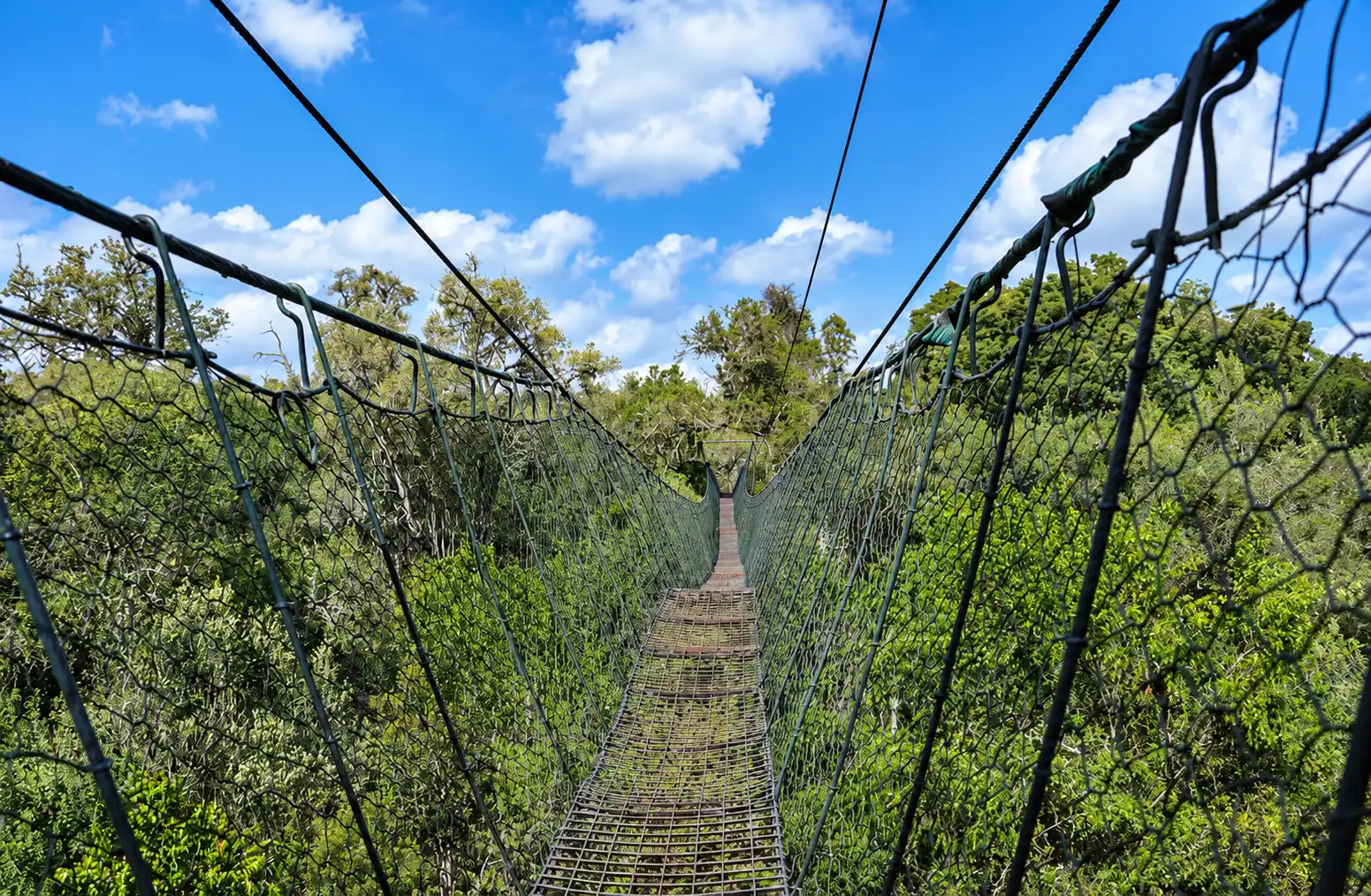
The canopy walkway is the main attraction. It is a 450-metre rope bridge that runs through the treetops. It sits high above the forest floor, so you see birds, monkeys and the canopy at eye level. Go slowly and watch for colobus monkeys.
Swim in the natural pools
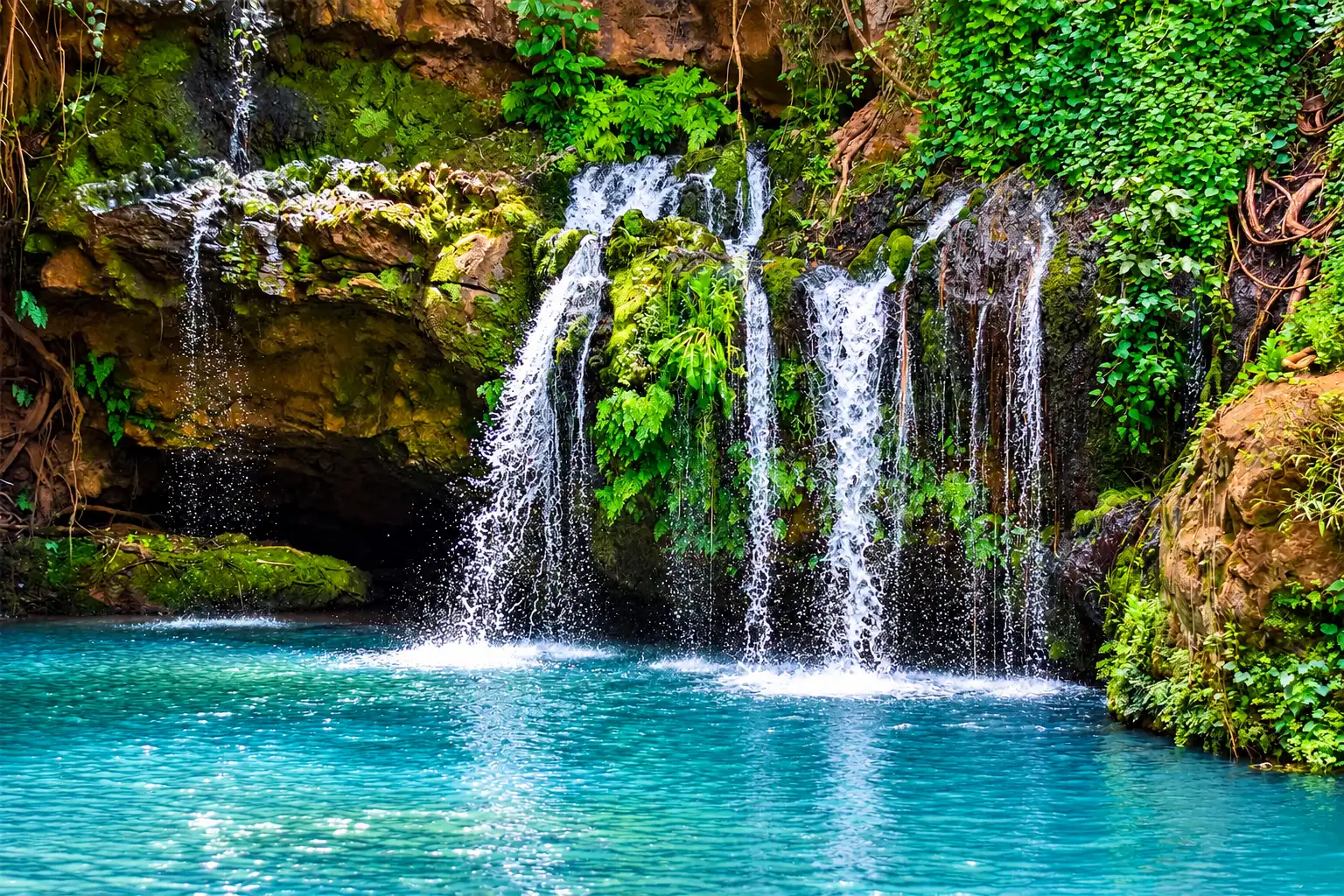
The Ngare Ndare River feeds a series of clear blue pools and small waterfalls. The water is cool and refreshing after a hike. Bring swimwear and a towel. Take care on wet rocks.
Take a guided forest walk
Rangers lead walks along forest trails. You learn about the trees, the tracks and the animals that use the forest. Walks can be short or long, depending on your fitness.
Watch for elephants and other wildlife
The forest is a corridor for elephants moving between Mount Kenya and the Lewa and Laikipia plains. You may see elephants, giraffes and buffalo, depending on the day. Sightings are never guaranteed.
Go birding
More than 200 bird species have been recorded here. Early morning is the best time to listen and look.
Camp in the forest
Camping is available for those who want a longer stay. Treetop camping has been offered in the forest. Confirm what is currently available before you plan.
Add it to a riding safari
The forest lies close to Borana and Lewa. Riders on a Laikipia horse riding safari can add a forest visit between rides. Non-riders can join the same day trip.
Wildlife and conservation in Ngare Ndare Forest
Ngare Ndare Forest is managed by the Ngare Ndare Forest Trust, formed in 2004. Six neighbouring communities share in its management, and each has a seat on the board. Money from tourism helps fund community projects.
The forest works as a wildlife corridor. It links the Mount Kenya forest with the Lewa and Laikipia plains. Elephants use it to move between the mountain and the plains. An elephant underpass beneath the Nanyuki to Meru highway helps them cross safely.
Recorded animals include elephant, buffalo, giraffe, eland, bushbuck, baboon and colobus monkey. Leopard, lion and rhino have also been recorded in the wider landscape. You are unlikely to see the big cats on a short visit. Rangers patrol the forest and monitor wildlife.
The forest, with Lewa, became part of the Mount Kenya World Heritage Site in 2013. Its springs also supply water to nearby farms and animals.
Where is Ngare Ndare Forest and how do you get there?
Ngare Ndare Forest is in Meru County, near Timau, on the northern side of Mount Kenya. It lies about 25 minutes by road from Nanyuki town and next to the Lewa and Borana conservancies. The final stretch is an unpaved road.
- From Nairobi: drive north via Nyeri and Nanyuki. It is a long day trip, so many travellers stay a night in Laikipia first.
- From Nanyuki: a short drive on the Nanyuki to Meru road, then a dirt track to the gate.
- From Borana or Lewa: a short drive from either conservancy. This makes it an easy half-day outing.
- By air: fly from Nairobi's Wilson Airport to a nearby Laikipia or Lewa airstrip, then drive.
A 4x4 vehicle is advised, especially in the wet months. Mobile payment is the usual way to pay at the gate.
Best time to visit, fees and what to bring
The best time to visit Ngare Ndare Forest is the dry season. That is roughly June to October and January to March. Trails are firmer, the pools are clearer and the access road is easier. The wetter months make the forest greener and quieter, but paths can be slippery and the road muddy.
The forest is open daily from about 8:00 am to 6:00 pm. Start early so you can walk, swim and still leave in good light.
Ngare Ndare entry fees Entry fees are KES 1,500 for Kenyan citizens, KES 2,000 for residents and USD 35 for non-residents. Camping, guiding and some activities cost extra. Fees change, so we confirm the current rate in your quote.
What to bring on Ngare Ndare Forest Tour
- Comfortable walking shoes or hiking boots
- Swimwear and a quick-dry towel
- A hat, sun cream and insect repellent
- A light rain jacket
- Binoculars and a camera
- Drinking water and a packed lunch
Combine Ngare Ndare Forest with a Laikipia safari
Ngare Ndare Forest works best as part of a longer trip. Its neighbours offer very different experiences.
- Borana Conservancy: on our 4-Day Borana Lodge Horse Riding Safari, a forest visit is an easy outing for non-riders or for a rest from the saddle.
- Lewa Conservancy: known for rhino and a strong conservation record.
- Laikipia plains: game drives, walks and night drives on private conservancies.
- Mount Kenya: hiking and views above the forest.
A simple plan is two nights on a conservancy, a morning in the forest, then a flight or drive on to the Masai Mara or the coast. Olengugih Safaris can build this around your dates and interests.
Frequently asked questions
Where is Ngare Ndare Forest? It is in Meru County, Kenya, on the northern slopes of Mount Kenya, near Timau and next to Lewa and Borana.
What is Ngare Ndare Forest known for? It is known for its 450-metre canopy walkway, blue natural pools and waterfalls, and its role as an elephant corridor.
How long is the canopy walkway? The canopy walkway is about 450 metres long and runs through the treetops.
Can you swim during a Ngare Ndare Forest Tour? Yes. Visitors swim in natural pools fed by the Ngare Ndare River and its waterfalls. Take care on wet rocks.
Can you see elephants during a Ngare Ndare Forest Tour? Sometimes. The forest is an elephant corridor, but sightings are never guaranteed on a short visit.
How much is entry to Ngare Ndare Forest? One listing gives KES 1,500 for citizens, KES 2,000 for residents and USD 35 for non-residents. Confirm current fees before you go.
How long should I spend at Ngare Ndare Forest? Allow half a day to a full day. This gives time to walk the canopy, swim and enjoy a picnic.
What is the best time to visit? The dry months, roughly June to October and January to March, are best.
Do I need a 4x4? A 4x4 is advised, especially in the wet months, because the last stretch is unpaved.
Is it suitable for children? Yes, for children who can walk the trails and cross the canopy bridge. Supervise them near the pools.
Can I visit Ngare Ndare Forest on a horse riding safari? Yes. It is close to Borana and Lewa, so it fits well into a Laikipia riding safari.
Visit Ngare Ndare Forest with Olengugih Safaris
Tell us your travel dates, group size and interests. We will add Ngare Ndare Forest to a Laikipia, Lewa or Mount Kenya itinerary and send you a free quote.
Ngare Ndare Forest, Kenya map
Explore the location of Ngare Ndare Forest, Kenya and see how it fits into your Kenya safari journey.