Destination guide
About Ol Pejeta Conservancy
Ol Pejeta Conservancy safari guide
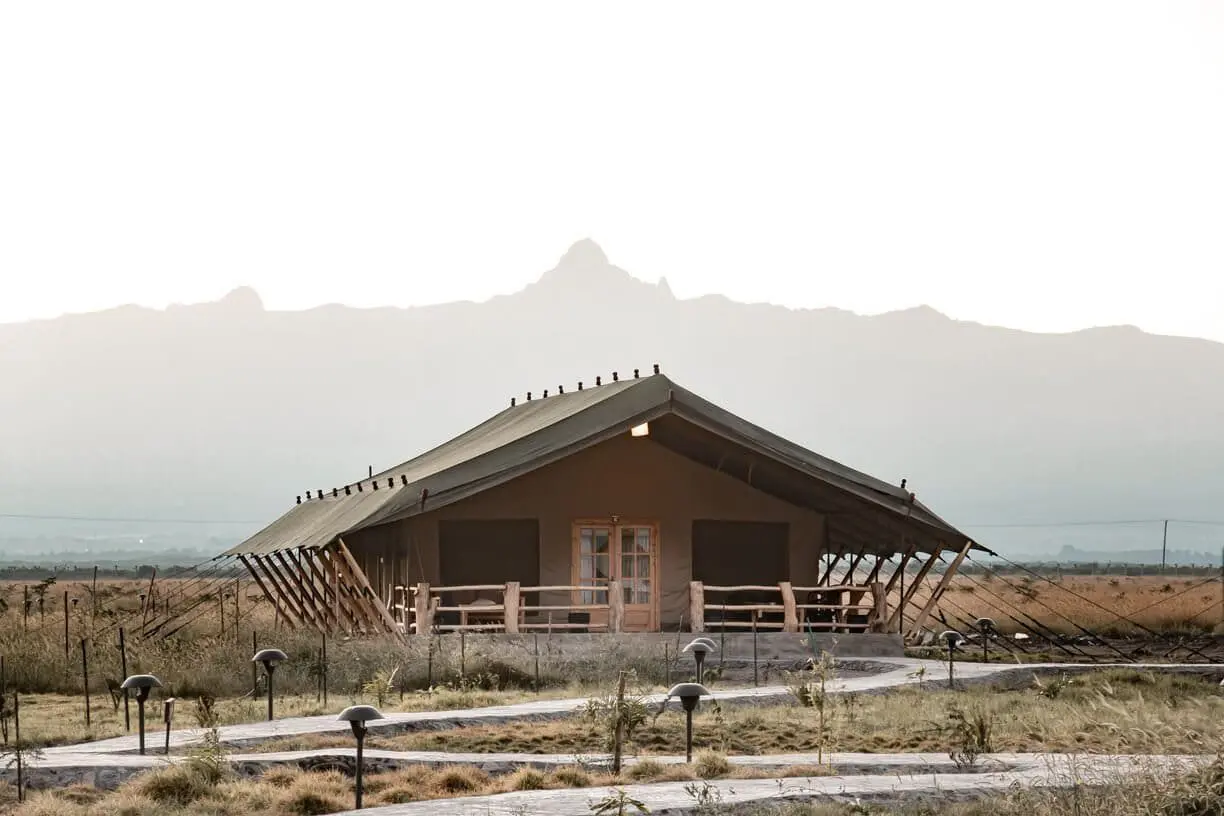
An Ol Pejeta Conservancy safari is a practical way to experience Kenya beyond the national park model. Ol Pejeta Conservancy is in Laikipia and covers about 360 square kilometres. Its landscape includes the foothills of Mount Kenya, with open grassland, woodland, river areas and wide highland views. The conservation work focuses on major rhino protection, wildlife monitoring, community support and conservation education; it protects a large black rhino population and the last two northern white rhinos, Najin and Fatu. This mix of protected habitat, wildlife, guided tourism and conservation gives travellers more context than a quick drive through a safari area.
Kenya’s conservancies help keep wildlife habitat connected while creating tourism income, jobs and other local benefits. Many use a lower impact tourism model with fewer vehicles and visitors than busy public safari areas. The exact rules differ by conservancy, so permitted activities, access and vehicle policies should always be confirmed before travel. Compare this destination with other conservancies in Kenya when planning your route.
| Region | Laikipia |
|---|---|
| Approximate size | about 360 square kilometres |
| Landscape | the foothills of Mount Kenya, with open grassland, woodland, river areas and wide highland views |
Why Ol Pejeta Conservancy matters for conservation
Major rhino protection, wildlife monitoring, community support and conservation education; it protects a large black rhino population and the last two northern white rhinos, najin and fatu. This work protects habitat, supports wildlife monitoring and helps keep important movement areas open. In community and group conservancies, landowners can receive direct economic value from conservation and tourism. In privately managed landscapes, visitor income can help fund protection, habitat management, research and long term stewardship.
The value of a conservancy also extends beyond its boundary. Wildlife can move between conservancies, reserves, ranches and community land, especially in Laikipia and the Greater Mara. Keeping those links open reduces habitat fragmentation and gives animals more room to follow water, grazing and seasonal conditions.
For current conservation updates, visitor rules and operational information, check the official Ol Pejeta Conservancy website before travel.
Wildlife at Ol Pejeta Conservancy
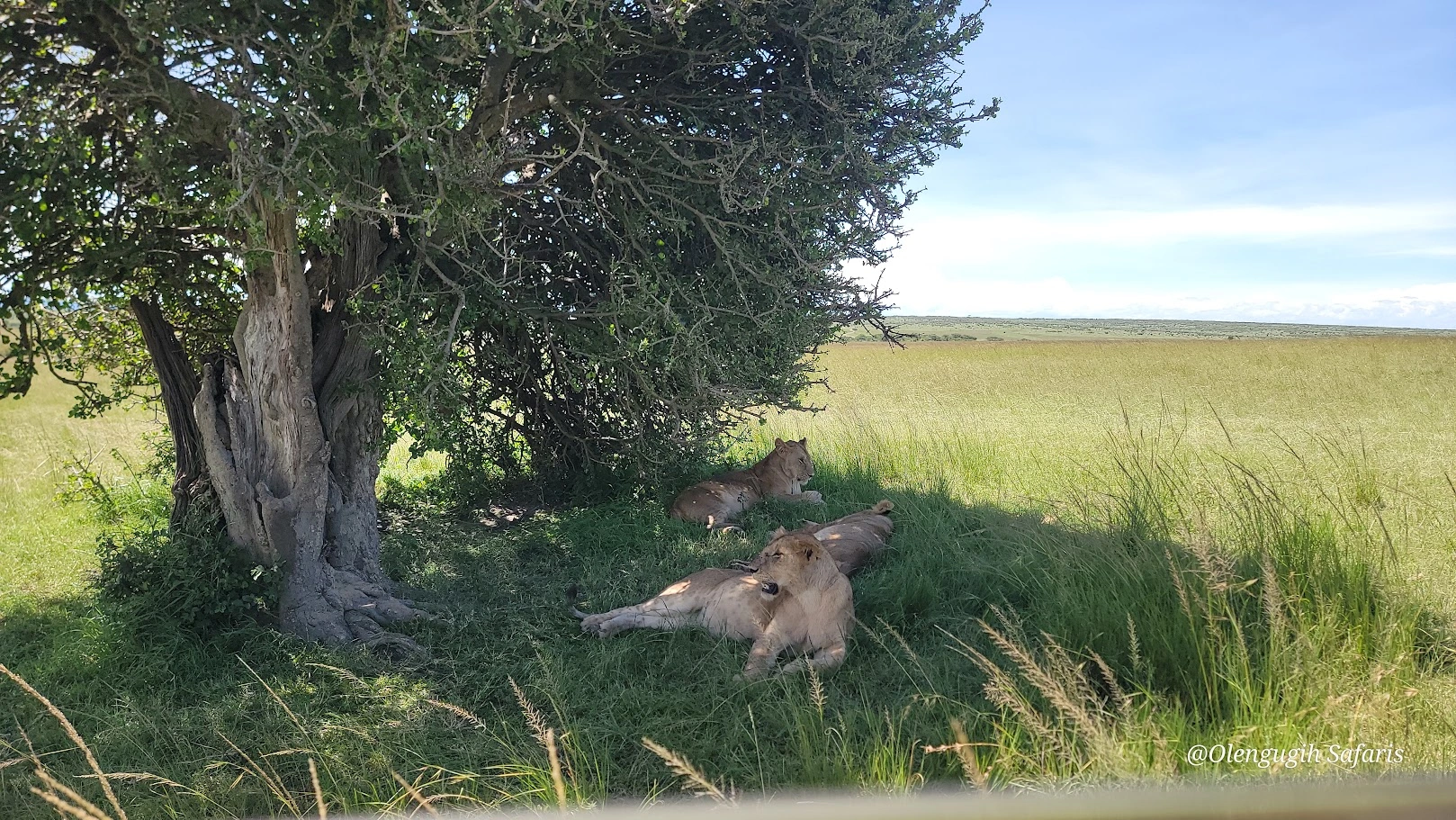
Wildlife associated with the conservancy includes black and white rhinos, elephants, lions, leopards, buffalo, cheetahs, African wild dogs, hippos, giraffes, Grevy’s zebras, and more than 300 bird species. Sightings vary with season, rainfall, habitat and animal movement, so no responsible safari can guarantee every species. The value of a well guided visit is the time to read the landscape, understand behaviour and follow what is happening naturally on the day.
For photographers and keen wildlife watchers, a controlled visitor model can make sightings feel calmer when vehicle numbers are limited. Birding adds another layer to the stay, especially where woodland, grassland, river habitat or rocky country occur together. Walking and other slower activities can also reveal tracks, plants, insects and smaller animals that are easy to miss from a vehicle.
Things to do at Ol Pejeta Conservancy
Activities available or highlighted for this conservancy include day game drives, night safaris, guided bush walks, horse riding, rhino tracking and conservation experiences, Sweetwaters Chimpanzee Sanctuary visits, and community and conservation learning. The final programme depends on the lodge or camp, the season, guide availability and any age or safety restrictions. Decide before booking whether your priority is classic game viewing, walking, culture, photography, riding, conservation learning or a mixture of experiences.
- day game drives
- night safaris
- guided bush walks
- horse riding
- rhino tracking and conservation experiences
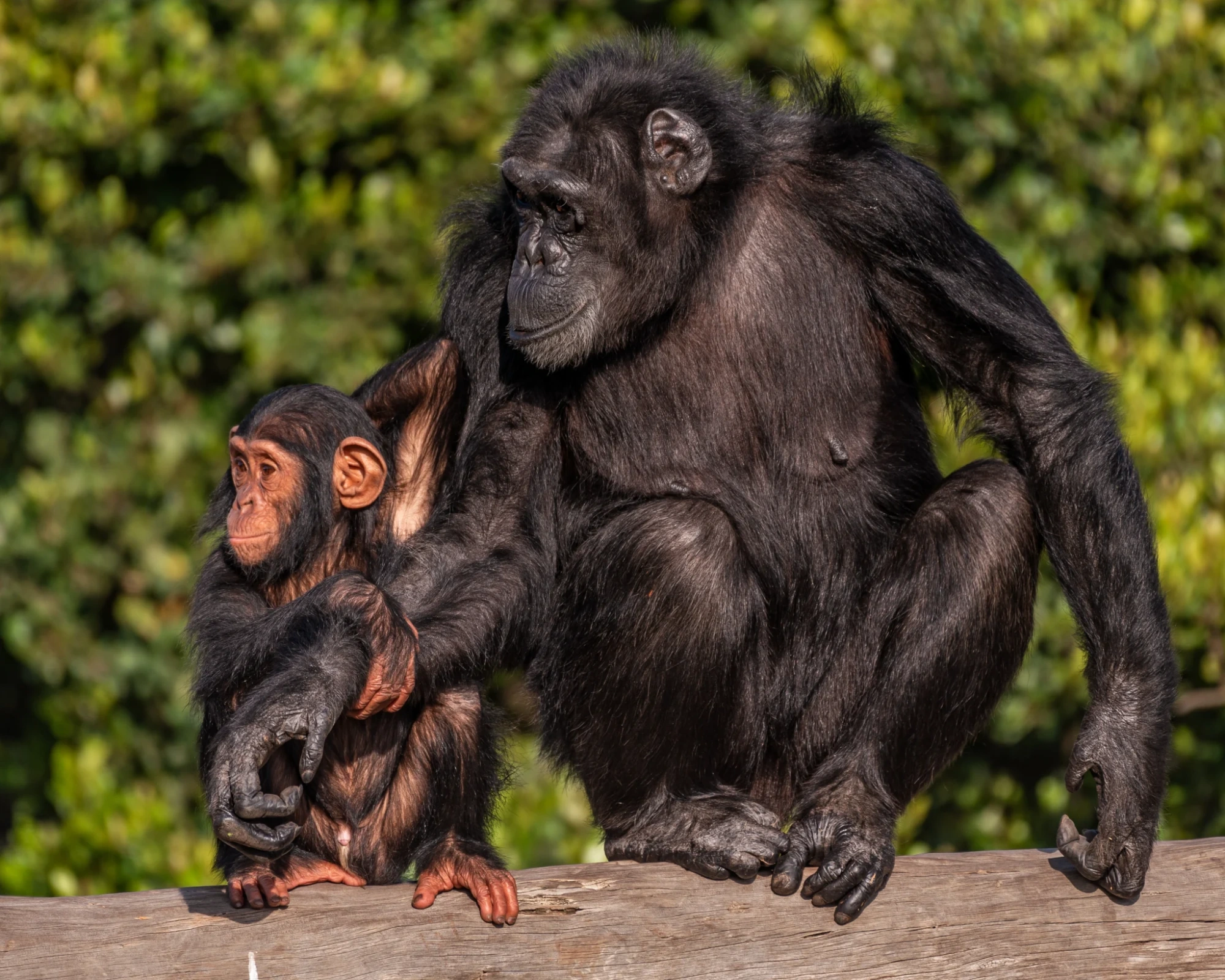
- Sweetwaters Chimpanzee Sanctuary visits
- community and conservation learning
A multi night stay normally gives more flexibility than a rushed visit because activities can be spread across mornings, afternoons and evenings. It also leaves room to adjust when weather or wildlife movement changes. If one activity is particularly important to you, ask for it to be confirmed before the safari begins.
How to get to Ol Pejeta Conservancy
By road, the journey from Nairobi is about 220 kilometres and normally takes around 3.5 to 4 hours. By air, flights from Wilson Airport to Nanyuki take about 45 minutes, followed by a road transfer of roughly 30 minutes.
Transfer times can change with road conditions, weather, flight schedules and the exact location of your camp. Allow enough time on arrival and departure days so the journey remains comfortable rather than rushed.
Where to stay at Ol Pejeta Conservancy
Accommodation choices associated with this conservancy include the following. Each property has its own style, activity programme and pricing, so match the final choice to your budget, preferred privacy and safari interests.
- Sweetwaters Serena Camp
- Ol Pejeta Safari Cottages
- Kicheche Laikipia Camp
- Ol Pejeta Bush Camp
- The Stables
- Pelican House
What makes Ol Pejeta Conservancy different
The Sweetwaters Chimpanzee Sanctuary shelters rescued chimpanzees. Chimpanzees are not native to Kenya, so this is a rescue and welfare experience rather than a wild chimpanzee population.
The setting is part of the experience: the foothills of Mount Kenya, with open grassland, woodland, river areas and wide highland views. Travellers who allow enough time can understand how wildlife, vegetation, people and conservation management fit together. That wider picture is one of the strongest reasons to include a conservancy in a Kenya safari.
Planning Ol Pejeta Conservancy in a Kenya safari
Ol Pejeta Conservancy can be combined with Lewa Wildlife Conservancy and other nearby destinations when road and flight connections make sense. Explore our Kenya safari packages for routes that can be adapted around the conservancies you want to visit. Linking destinations in the same region usually reduces unnecessary transfer time and gives you more time in the field.
When comparing safari options, look at the number of nights, included activities, conservancy fees, transfer arrangements, meal plan and style of accommodation rather than only the headline price. A well planned conservancy stay should balance wildlife, comfort, conservation value and enough unhurried time to experience the landscape properly.
What stands out
Highlights
- Major rhino protection, wildlife monitoring, community support and conservation education; it protects a large black rhino population and the last two northern white rhinos, najin and fatu
- Landscape of the foothills of Mount Kenya, with open grassland, woodland, river areas and wide highland views
- Wildlife includes black and white rhinos, elephants, lions, leopards, and buffalo
- Activities include day game drives, night safaris, guided bush walks, and horse riding
- The Sweetwaters Chimpanzee Sanctuary shelters rescued chimpanzees. Chimpanzees are not native to Kenya, so this is a rescue and welfare experience rather than a wild chimpanzee population.