About Sangare Conservancy
Sangare Conservancy
Across the foothills of the Aberdare Range and Mount Kenya, Sangare Conservancy creates a private wilderness setting where wildlife, open plains, riverine forests, and family-led conservation share the same landscape. Located in Nyeri County, Kenya, the 4,250-acre conservancy has remained under family ownership since 1955 and welcomes visitors seeking to experience the bush through game viewing, nature walks, camping, fishing, birdwatching, and quiet evenings by the campfire. Leopards, buffaloes, lions, resident elephants, and plains game move through the conservancy, while three river valleys and a large central dam support rich birdlife. Sangare also offers travellers several options for staying, from wild camping within the conservancy to recommended private accommodation nearby.
Quick Facts
| Quick Fact | Details |
|---|---|
| Location | Nyeri County, Kenya |
| Setting | Near the foothills of the Aberdare Range and Mount Kenya |
| Size | 4,250 acres |
| Ownership | Family-owned private conservancy since 1955 |
| Wildlife | Leopards, buffaloes, lions, elephants, and plains game |
| Landscape | Open plains, bushland, riverine forests, river valleys, and a central dam |
| Activities | Self-drive game viewing, guided nature walks, camping, fishing, birdwatching, and campfires |
| Main Camping Option | Designated campsite overlooking the central dam |
| Facilities | Hot showers and firewood at the campsite |
| Coordinates | Approximately 0°18'00.0"S 36°57'00.0"E |
Where Is Sangare Conservancy Located?
Sangare Conservancy sits in Nyeri County, near the foothills of the Aberdare Range and Mount Kenya. The conservancy is conveniently located near the Nairobi–Nanyuki and Nairobi–Nyahururu routes in the Mweiga area. From Nairobi, the journey takes roughly three hours by road, while Nanyuki sits about an hour away. This location makes Sangare a practical addition to a central Kenya safari, particularly for travellers who want to combine wildlife, mountain scenery, and outdoor experiences.
What Is the History of Sangare Conservancy?
The Sangare property has remained family-owned since 1955, giving the conservancy a long-standing connection with private land stewardship and the surrounding natural environment. Over the years, the family has developed the property as a private wildlife conservancy that combines ecosystem preservation with outdoor recreation and tourism. The approach also incorporates wilderness camping and sustainable residential home-site opportunities, creating a model that keeps conservation and responsible land use at the centre of the property.
Why Is Sangare Conservancy Famous?
Sangare stands out for its combination of private conservation, wildlife, diverse habitats, and outdoor recreation. The conservancy covers 4,250 acres and includes open plains, bushland, riverine forests, three river valleys, and a large central dam. This variety creates different habitats across a relatively compact area and supports a broad range of wildlife and birdlife.
The conservancy also gives visitors the freedom to experience the landscape in several ways. You can take a self-drive wildlife outing, join a guided nature walk, spend the night at the campsite, cast a line at the dam, watch birds, or gather around a campfire after dark.
What Wildlife Can You See in Sangare Conservancy?
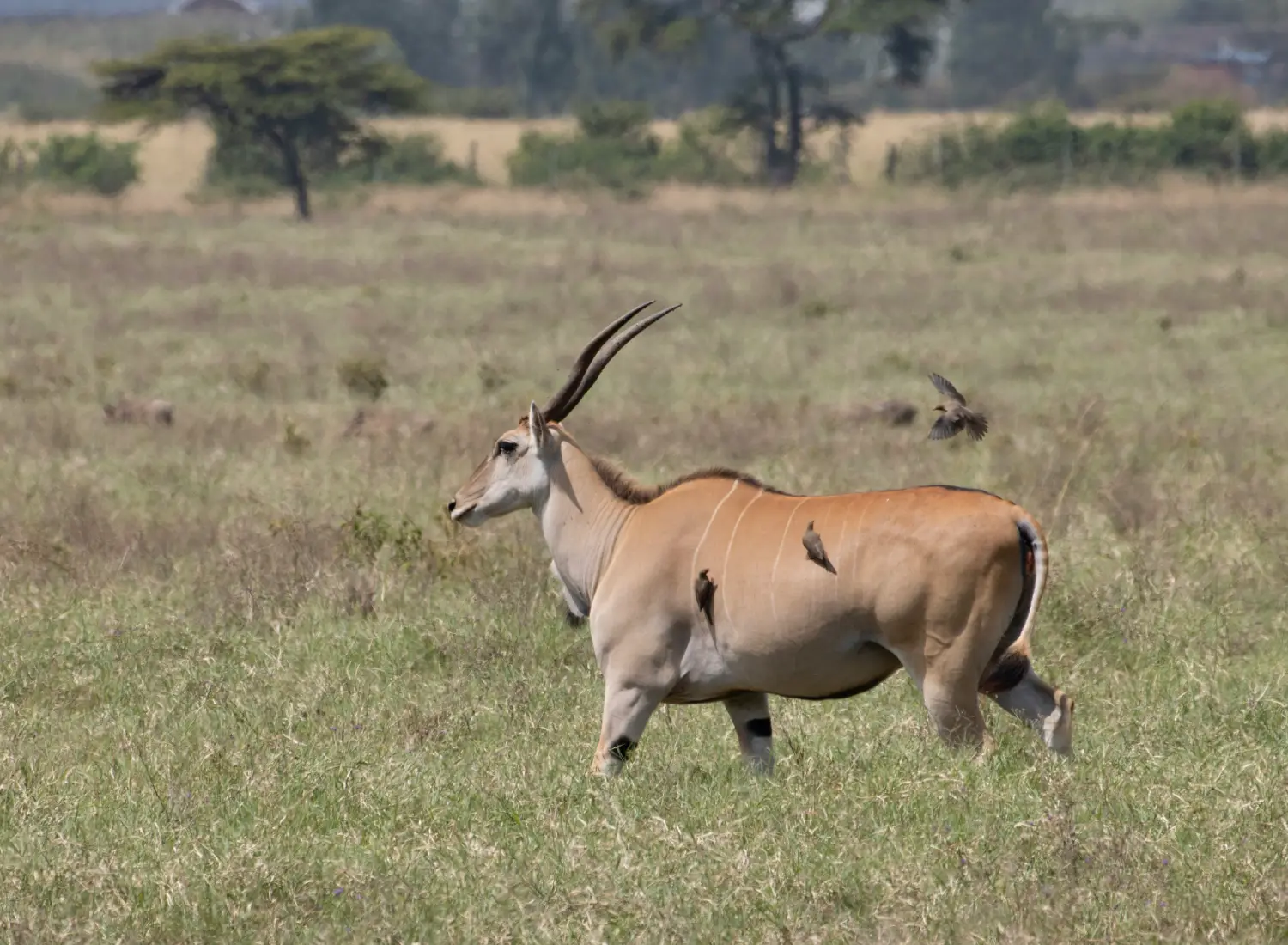
Sangare supports leopards, buffaloes, lions, resident elephants, and various plains game across its different habitats. Open plains provide space for grazing animals, while bushland and riverine forests create cover and feeding areas for other species. The presence of resident elephants adds another major attraction for wildlife enthusiasts visiting the conservancy.
Self-drive game viewing gives visitors the freedom to explore the property at their own pace, while guided experiences can provide additional insight into animal behaviour and the surrounding ecosystem. Wildlife sightings naturally depend on animal movements, weather, vegetation, and seasonal conditions.
What Birds Can You See in Sangare Conservancy?
Birdwatching forms an important part of the Sangare experience, with three river valleys and a large central dam creating varied habitats for birdlife. Water, woodland, open country, and riverine vegetation each attract different species, giving birdwatchers plenty of ground to explore.
The central dam provides an especially interesting setting for watching birds around water, while the river valleys and surrounding vegetation create opportunities to spot woodland and other habitat-specific species. Early mornings can provide particularly rewarding conditions when bird activity increases and the landscape comes alive with calls.
What Activities Can You Enjoy in Sangare Conservancy?
Sangare allows visitors to experience the property through several outdoor activities rather than limiting the stay to conventional game drives. Self-drive game viewing gives independent travellers the chance to explore the conservancy at their own pace, while guided nature walks provide a closer look at plants, wildlife tracks, birds, and the smaller details of the bush.
You can also spend time fishing at the central dam, enjoy birdwatching across the river valleys and surrounding habitats, or choose a wild camping experience. As evening arrives, a campfire provides a natural place to relax, share stories, and enjoy the wilderness atmosphere.
What Unique Bush Experiences Can You Enjoy?
One of Sangare's most appealing qualities comes from the freedom to experience the wilderness at a slower pace. Wild camping beside the central dam places you close to the landscape, while fishing provides a peaceful alternative to active wildlife viewing. Guided nature walks allow you to explore details that you might miss from a vehicle, from tracks pressed into the ground to birds moving through the vegetation.
Evenings around the campfire add another layer to the experience. After the day's activities, you can sit outside, listen to the surrounding sounds, and watch darkness settle across the conservancy. These simple moments create a bush experience that feels personal rather than hurried.
What Accommodation Is Available at Sangare Conservancy?
Sangare Conservancy provides wild tented camping and campground accommodation for guests who want to stay close to nature. The designated campsite overlooks the central dam and provides hot showers and firewood, giving campers the practical essentials for a comfortable wilderness stay.
For travellers who prefer more luxurious accommodation, Sangare recommends several alternative properties that provide different styles of accommodation:
| Accommodation | What Guests Can Experience |
|---|---|
| Amboni Riverine Forest Camp | Stay beside a clear mountain river in a forest setting with wooden decks and distinctive Finnish-inspired design |
| Utulivu House | Enjoy an off-grid, eco-friendly retreat with Mount Kenya views, a plunge pool, game drives, guided walks, and horse riding by prior arrangement |
| Asili House | Relax in a luxurious family home overlooking a private valley within Sangare Conservancy, with wildlife and mountain views |
| Asili Cottage | Stay in a stylish designer cottage with views towards Mount Kenya, the Aberdare Range, and Lolldaiga Hills |
Bookings for these alternative properties take place directly with the respective owners.
How Do You Get to Sangare Conservancy?
| Travel Option | Details |
|---|---|
| From Nairobi | Approximately 150 km by road, taking around three hours depending on road and traffic conditions |
| From Nanyuki | Approximately one hour by road |
| Road Access | Reach the conservancy from the Nairobi–Nanyuki and Nairobi–Nyahururu routes near Mweiga |
| Private Vehicle | Drive directly towards the Sangare area and continue to the conservancy access point |
| Safari Transfer | A private safari vehicle can combine Sangare with other central Kenya destinations |
What Is the Best Time to Visit Sangare Conservancy?
Sangare welcomes visitors throughout the year, with each season creating a different atmosphere across the conservancy. The drier periods from June to October and December to March generally provide easier road conditions and favourable conditions for game viewing. Shorter vegetation and reduced surface water can also make wildlife easier to locate in some areas.
The wetter periods bring fresh vegetation and can transform the landscape with greener scenery and increased bird activity. Your preferred travel dates can therefore depend on whether you prioritise easier game viewing, greener scenery, birdwatching, or a combination of experiences.
Why Should You Visit Sangare Conservancy?
Sangare Conservancy gives travellers a chance to experience private wildlife conservation in a diverse 4,250-acre landscape near Mount Kenya and the Aberdare Range. Elephants, lions, leopards, buffaloes, and plains game inhabit the property, while its river valleys and central dam create habitats for abundant birdlife.
The experience extends beyond wildlife viewing. You can drive yourself through the conservancy, explore on foot with a guide, fish at the dam, camp beneath the open sky, watch birds, and gather around a campfire at night. With both wild camping and recommended alternative accommodation available, Sangare can fit different travel styles while retaining its strong connection to nature and the Kenyan bush.
Highlights
- Explore 4,250 acres of private wilderness near Mount Kenya
- Encounter elephants, lions, leopards, buffaloes, and plains game
- Follow nature trails through river valleys and wild landscapes
- Cast a line at the scenic central dam
- Watch diverse birdlife across forests, plains, and waterways
- Sleep under the stars and gather around evening campfires
Sangare Conservancy map
Explore the location of Sangare Conservancy and see how it fits into your Kenya safari journey.