About Sosian Ranch
Sosian Ranch safari guide
A Sosian Ranch safari is a practical way to experience Kenya beyond the national park model. Sosian Ranch is in Laikipia and covers more than 24,000 acres. Its landscape includes a historic working cattle ranch and wildlife conservancy around the Ewaso Narok River. The conservation work focuses on a multi use conservation model combining cattle ranching, tourism, wildlife corridors, anti poaching, education and community support. This mix of protected habitat, wildlife, guided tourism and conservation gives travellers more context than a quick drive through a safari area.
Kenya’s conservancies help keep wildlife habitat connected while creating tourism income, jobs and other local benefits. Many use a lower impact tourism model with fewer vehicles and visitors than busy public safari areas. The exact rules differ by conservancy, so permitted activities, access and vehicle policies should always be confirmed before travel. Compare this destination with other conservancies in Kenya when planning your route.
| Region | Laikipia |
|---|---|
| Approximate size | more than 24,000 acres |
| Landscape | a historic working cattle ranch and wildlife conservancy around the Ewaso Narok River |
| Best time noted | January to March and July to October for drier game viewing; April to June and November to December for green scenery and birding |
Why Sosian Ranch matters for conservation
A multi use conservation model combining cattle ranching, tourism, wildlife corridors, anti poaching, education and community support. This work protects habitat, supports wildlife monitoring and helps keep important movement areas open. In community and group conservancies, landowners can receive direct economic value from conservation and tourism. In privately managed landscapes, visitor income can help fund protection, habitat management, research and long term stewardship.
The value of a conservancy also extends beyond its boundary. Wildlife can move between conservancies, reserves, ranches and community land, especially in Laikipia and the Greater Mara. Keeping those links open reduces habitat fragmentation and gives animals more room to follow water, grazing and seasonal conditions.
For current conservation updates, visitor rules and operational information, check the official Sosian Ranch website before travel.
Wildlife at Sosian Ranch
Wildlife associated with the conservancy includes elephants, giraffes, zebras, eland, buffalo, impala, lions, leopards, cheetahs, hyenas, African wild dogs, and more than 350 bird species. Sightings vary with season, rainfall, habitat and animal movement, so no responsible safari can guarantee every species. The value of a well guided visit is the time to read the landscape, understand behaviour and follow what is happening naturally on the day.
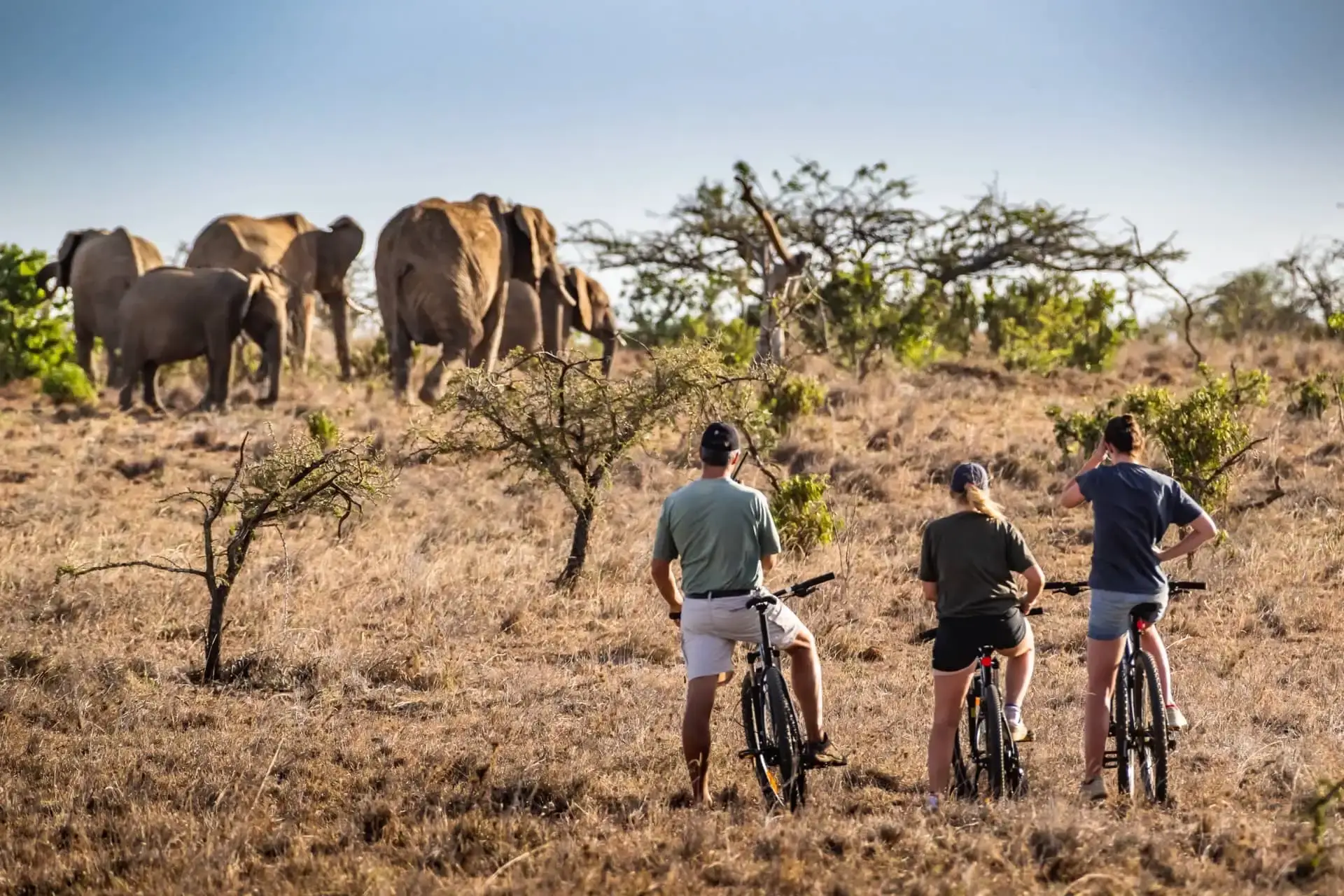
For photographers and keen wildlife watchers, a controlled visitor model can make sightings feel calmer when vehicle numbers are limited. Birding adds another layer to the stay, especially where woodland, grassland, river habitat or rocky country occur together. Walking and other slower activities can also reveal tracks, plants, insects and smaller animals that are easy to miss from a vehicle.
Things to do at Sosian Ranch
Activities available or highlighted for this conservancy include horseback safaris, walking safaris, camel safaris, fly camping, day and night game drives, cultural experiences, family activities, bush meals, photography, and fishing. The final programme depends on the lodge or camp, the season, guide availability and any age or safety restrictions. Decide before booking whether your priority is classic game viewing, walking, culture, photography, riding, conservation learning or a mixture of experiences.
- horseback safaris
- walking safaris
- camel safaris
- fly camping
- day and night game drives
- cultural experiences
- family activities
- bush meals
- photography
- fishing
A multi night stay normally gives more flexibility than a rushed visit because activities can be spread across mornings, afternoons and evenings. It also leaves room to adjust when weather or wildlife movement changes. If one activity is particularly important to you, ask for it to be confirmed before the safari begins.
How to get to Sosian Ranch
Sosian is about 40 kilometres from Nanyuki. Flights from Nairobi to Nanyuki take just under an hour, followed by a road transfer of about 45 minutes. Driving from Nairobi usually takes around 5 to 6 hours, and a four wheel drive is recommended in wet conditions.
Transfer times can change with road conditions, weather, flight schedules and the exact location of your camp. Allow enough time on arrival and departure days so the journey remains comfortable rather than rushed.
Best time to visit Sosian Ranch
January to March and July to October for drier game viewing; April to June and November to December for green scenery and birding. Safari conditions still change from year to year because rainfall affects grass, water, wildlife movement and road access. Greener months can be quieter and excellent for scenery and birds, while drier periods often make longer game drives easier.
Conservancy fees for Sosian Ranch
The available visitor fee information is summarised below. Rates can change, so confirm the current amount with your camp or safari planner before travel.
| Visitor category | Published rate |
|---|---|
| Kenyan citizens | KES 1,000 per day |
| Kenyan residents | KES 1,500 per day |
| Non residents | USD 90 per day |
| Children | 50% of the adult rate |
Where to stay at Sosian Ranch
Accommodation choices associated with this conservancy include the following. Each property has its own style, activity programme and pricing, so match the final choice to your budget, preferred privacy and safari interests.
- Sosian Ranch lodge in the restored ranch house, with rooms, gardens and a swimming pool
- fly camping for a more remote bush experience
What makes Sosian Ranch different
The ranch dates to the 1940s and today combines livestock production with wildlife conservation.
The setting is part of the experience: a historic working cattle ranch and wildlife conservancy around the Ewaso Narok River. Travellers who allow enough time can understand how wildlife, vegetation, people and conservation management fit together. That wider picture is one of the strongest reasons to include a conservancy in a Kenya safari.
Planning Sosian Ranch in a Kenya safari
Sosian Ranch can be combined with Suyian Conservancy and other nearby destinations when road and flight connections make sense. Explore our Kenya safari packages for routes that can be adapted around the conservancies you want to visit. Linking destinations in the same region usually reduces unnecessary transfer time and gives you more time in the field.
When comparing safari options, look at the number of nights, included activities, conservancy fees, transfer arrangements, meal plan and style of accommodation rather than only the headline price. A well planned conservancy stay should balance wildlife, comfort, conservation value and enough unhurried time to experience the landscape properly.
Highlights
- A multi use conservation model combining cattle ranching, tourism, wildlife corridors, anti poaching, education and community support
- Landscape of a historic working cattle ranch and wildlife conservancy around the Ewaso Narok River
- Wildlife includes elephants, giraffes, zebras, eland, and buffalo
- Activities include horseback safaris, walking safaris, camel safaris, and fly camping
- Seasonal planning: January to March and July to October for drier game viewing; April to June and November to December for green scenery and birding
- The ranch dates to the 1940s and today combines livestock production with wildlife conservation.