
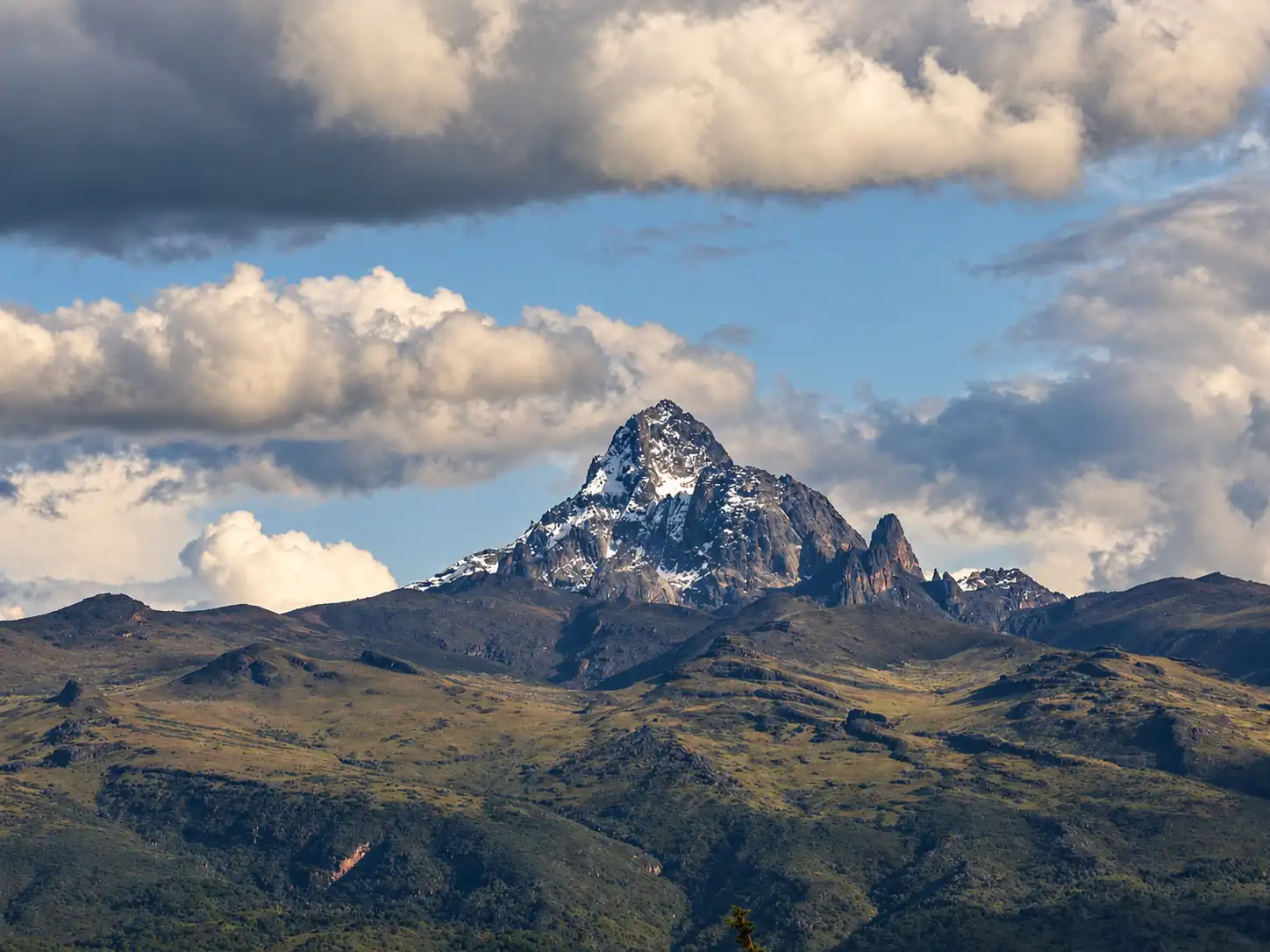
8 UNESCO World Heritage Sites in Kenya
Kenya has eight UNESCO World Heritage Sites. Five are cultural and three are natural. For years the list had seven, until Gedi was added in 2024. The sites range from Swahili towns and sacred forests to Rift Valley lakes and Mount Kenya. This guide explains each one and how to visit.
UNESCO World Heritage Sites in Kenya at a glance
Site | Type | Listed | Where |
|---|---|---|---|
Mount Kenya National Park/Natural Forest | Natural | 1997 | Central Kenya |
Lake Turkana National Parks | Natural | 1997 | Northern Kenya |
Cultural | 2001 | Lamu County | |
Sacred Mijikenda Kaya Forests | Cultural | 2008 | Kenya's coast |
Cultural | 2011 | Mombasa | |
Kenya Lake System in the Great Rift Valley | Natural | 2011 | Rift Valley |
Cultural | 2018 | Migori County | |
Gedi Historic Town and Archaeological Site | Cultural | 2024 | Kilifi County |
Seven or eight sites?
Many older guides list seven sites. Kenya added Gedi in 2024, which made eight. This guide covers all eight.
Cultural UNESCO Sites in Kenya
Kenya's five cultural sites tell the story of coastal trade, Swahili life, sacred forests and early stone settlements.
Fort Jesus, Mombasa
Fort Jesus is a 16th-century fort built by the Portuguese. It guarded Mombasa's Old Port, a key trading hub on the Indian Ocean. UNESCO listed it in 2011.
The fort mixes Renaissance military design with Swahili influences. Walking through it shows how African, Arab and European cultures met. It is a must-see for history lovers visiting Mombasa.
Lamu Old Town
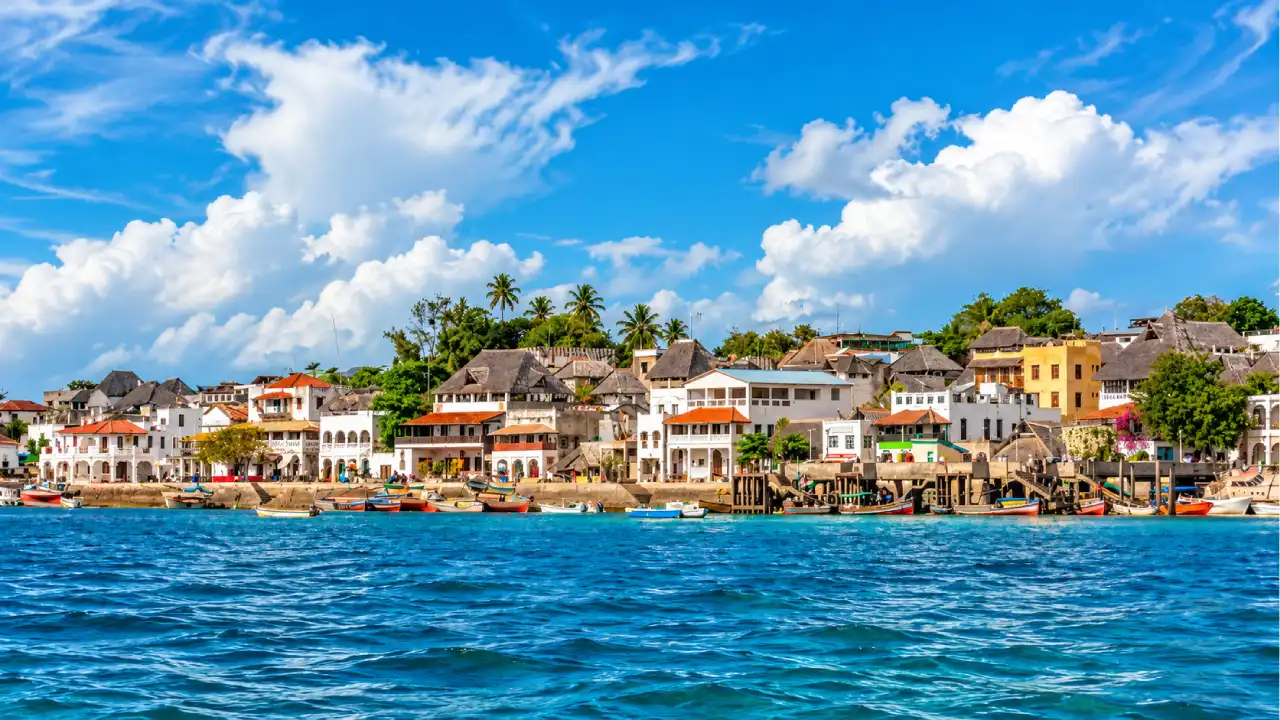
Lamu Old Town is the oldest and best-preserved Swahili settlement in East Africa. People have lived there for over 700 years. UNESCO listed it in 2001.
It is known for narrow streets, coral stone buildings and carved wooden doors. Lamu is also an important centre of Islamic culture. Annual festivals celebrate Swahili heritage. Visitors can explore the streets, visit museums and meet residents who keep old traditions alive.
Sacred Mijikenda Kaya Forests
The Kaya Forests are 11 sacred forest sites along Kenya's coast. The Mijikenda people once built fortified villages, called Kayas, inside them. People left the villages in the 1940s, but the Kayas remain sacred. UNESCO listed them in 2008.
Today, Mijikenda elders look after the forests. Rituals and ceremonies still take place there. The forests also shelter rare plants and animals.
Thimlich Ohinga
Thimlich Ohinga is a stone enclosure in Migori County. It dates back more than 500 years. Early Bantu-speaking communities built it as a defensive settlement.
It is the best-preserved of many similar enclosures in the region. UNESCO listed it in 2018. Visitors can walk around the massive stone walls and learn about early community life.
Gedi Historic Town and Archaeological Site
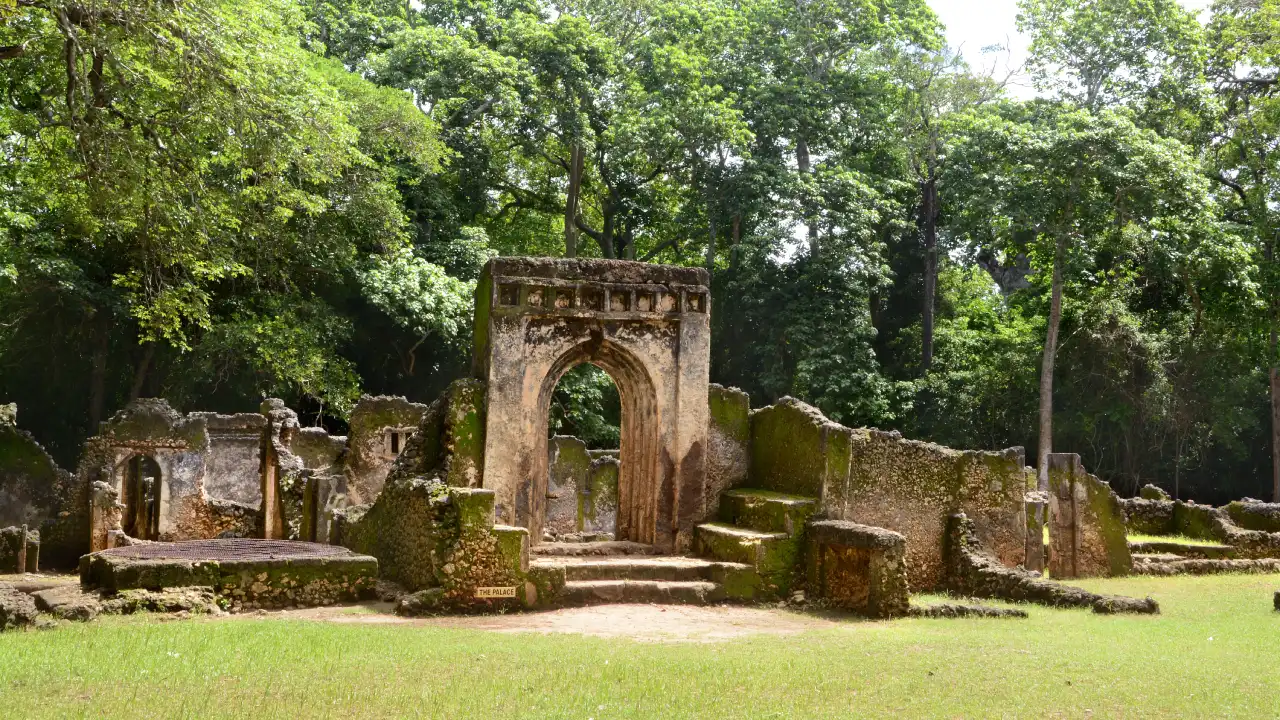
Gedi lies in Kilifi County, on Kenya's coast. It is the ruin of a Swahili town linked to Indian Ocean trade. UNESCO listed it in 2024, making it Kenya's eighth site.
The ruins sit in forest and include walls, houses and a mosque. Many visitors combine Gedi with a beach stay on the north coast.
Natural UNESCO Heritage Sites in Kenya
Kenya's three natural sites protect lakes, volcanoes, forests and some of the continent's richest wildlife.
Kenya Lake System in the Great Rift Valley
This site covers three lakes: Lake Bogoria, Lake Nakuru and Lake Elementaita. UNESCO listed them in 2011. The lakes are alkaline and shallow. They attract huge flocks of flamingos and many other water birds.
The area also supports wildlife such as rhinos, lions and gazelles. Visitors enjoy birdwatching, game drives and wide Rift Valley views. The lakes are a vital sanctuary for threatened species.
Lake Turkana National Parks
This site includes Sibiloi National Park, Central Island and South Island. UNESCO listed it in 1997 and extended it in 2001.
It is famous for the Koobi Fora fossil site, where early human remains were found. The lake supports unique fish and breeding Nile crocodiles and hippos. The landscape is volcanic, remote and desert-like. UNESCO placed the site on its List in Danger in 2018.
Mount Kenya National Park/Natural Forest
Mount Kenya is the second-highest peak in Africa. UNESCO listed the mountain and its forest in 1997. The site protects forests, moorland and alpine meadows.
It is known for its glaciers and its endemic plants and animals. It is also a vital water catchment for millions of people. Trekkers visit to reach its peaks, and nature lovers come for the biodiversity. The mountain also holds a special place in Kenyan folklore.
How to visit UNESCO Heritage Sites in Kenya
The sites sit in different regions, so group them by area. This saves travel time.
- Kenya's coast: Fort Jesus, Gedi, the Kaya Forests and Lamu Old Town
- Central Kenya: Mount Kenya National Park/Natural Forest
- Rift Valley: Lakes Nakuru, Bogoria and Elementaita
- Northern Kenya: Lake Turkana National Parks
- Western Kenya: Thimlich Ohinga in Migori County
Plan a coast heritage trip
Start in Mombasa for Fort Jesus. Head north to Gedi, near Watamu, and the Kaya Forests. Finish in Lamu for a slow stay in the old town. Allow at least five days.
Combine heritage with a safari
Lake Nakuru and Mount Kenya fit easily into a wildlife safari. Add a lake stop to a Masai Mara trip, or climb Mount Kenya before heading to the coast.
Travel tips
- Check access: Roads to Lake Turkana and Thimlich Ohinga can be long and rough
- Hire local guides: They explain history and respect local customs
- Dress modestly: This matters in Lamu and at sacred Kaya sites
- Ask before photographing: Some sacred sites have strict rules
- Book early: Lamu and the coast are busy in peak months
- Confirm fees and hours: Entry fees vary and can change
UNESCO World Heritage Sites in Kenya: frequently asked questions
How many UNESCO World Heritage Sites are in Kenya?
Kenya has eight. Five are cultural and three are natural. Gedi, added in 2024, is the newest.
What are the UNESCO World Heritage Sites in Kenya?
They are Fort Jesus, Lamu Old Town, the Mijikenda Kaya Forests, Thimlich Ohinga and Gedi. The natural sites are Mount Kenya, Lake Turkana National Parks and the Kenya Lake System.
Is it seven or eight UNESCO sites in Kenya?
It is now eight. Older guides list seven because Gedi joined the list in 2024.
What is the newest UNESCO World Heritage Site in Kenya?
Gedi Historic Town and Archaeological Site, in Kilifi County. UNESCO listed it in 2024.
Which UNESCO sites in Kenya are cultural?
Fort Jesus, Lamu Old Town, the Mijikenda Kaya Forests, Thimlich Ohinga and Gedi are cultural sites.
Which UNESCO sites in Kenya are natural?
Mount Kenya National Park/Natural Forest, Lake Turkana National Parks and the Kenya Lake System are natural sites.
Which UNESCO site is best for wildlife?
The Kenya Lake System is best, especially Lake Nakuru. It offers flamingos, rhinos and game drives.
Which UNESCO site is best for history?
Fort Jesus and Lamu Old Town are the easiest to visit. Gedi and Thimlich Ohinga suit travellers who like ruins.
Which UNESCO sites are on the Kenyan coast?
Fort Jesus, Gedi, the Mijikenda Kaya Forests and Lamu Old Town are all on or near the coast.
Can I climb Mount Kenya?
Yes. Trekkers can reach Point Lenana without technical climbing skills. Choose a guided package and allow time to acclimatise.
Is Lake Turkana a UNESCO site in danger?
Yes. UNESCO placed Lake Turkana National Parks on its List in Danger in 2018.
Can I visit several UNESCO sites in one trip?
Yes. The coast sites combine easily. You can also add Lake Nakuru or Mount Kenya to a safari.
Conclusion: Kenya's UNESCO heritage in one trip
The UNESCO Heritage Sites in Kenya show the country's cultural and natural wealth. They run from ancient forts and Swahili towns to glaciers, lakes and sacred forests. Each site protects a different part of Kenya's story.
Visiting them helps you learn, explore and support conservation. Travellers who enjoy history, adventure and wildlife will find plenty to love.
Plan your Kenya heritage trip with Olengugih Safaris
Want to see these sites on a Kenya safari? Olengugih Safaris plans trips for couples, families and small groups. Tell us your dates and interests, and we will build the route.
Guests can read reviews from other travellers on GetYourGuide, SafariBookings and Tripadvisor.
Sources
- UNESCO World Heritage Centre, Kenya World Heritage properties
- National Museums of Kenya, Kenya's eight UNESCO World Heritage Sites
- Kenya National Commission for UNESCO, Gedi inscription