
Amboseli Safari Guide: A Must-Visit Safari Destination
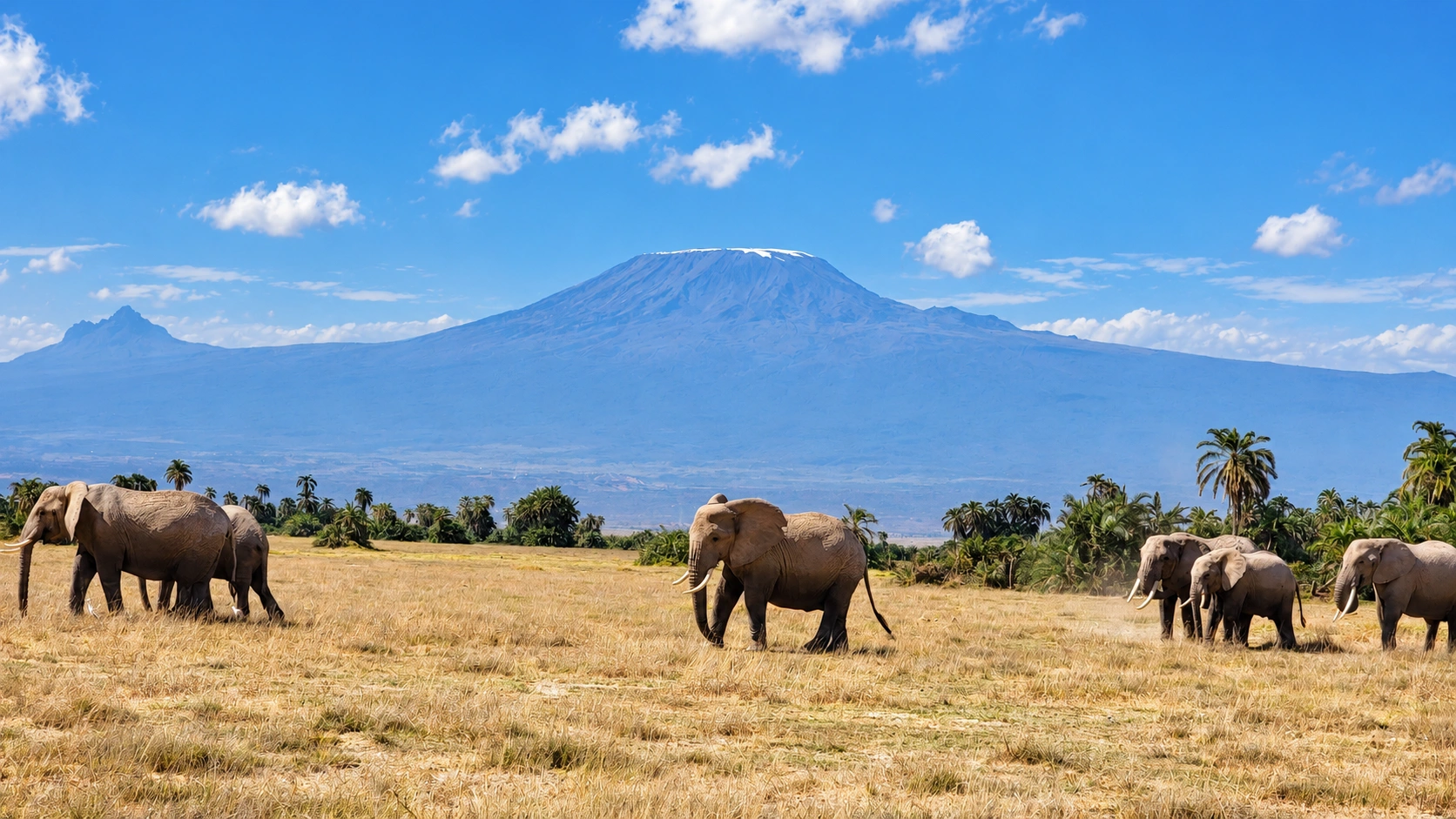
In this Amboseli Safari guide, we explore why Amboseli is a must-visit safari destination and what you should know before planning your trip.Kenya is home to some of Africa's most remarkable wildlife destinations, but few offer the breathtaking scenery and unforgettable wildlife encounters of Amboseli National Park. Located in southern Kenya near the Tanzania border, Amboseli is famous for its large elephant herds, expansive savannahs, diverse birdlife and spectacular views of Mount Kilimanjaro.For travellers seeking an authentic African safari, Amboseli offers an experience that combines wildlife viewing, photography, scenic landscapes and opportunities to learn about conservation. Whether you are planning your first safari, a family holiday, a romantic getaway or an extended Kenyan adventure, this remarkable destination deserves a place on your itinerary.
But what makes Amboseli so special? From its iconic elephants to its unique ecosystems and convenient location within Kenya's southern safari circuit, there are many reasons to visit.
1. Experience Spectacular Views of Mount Kilimanjaro
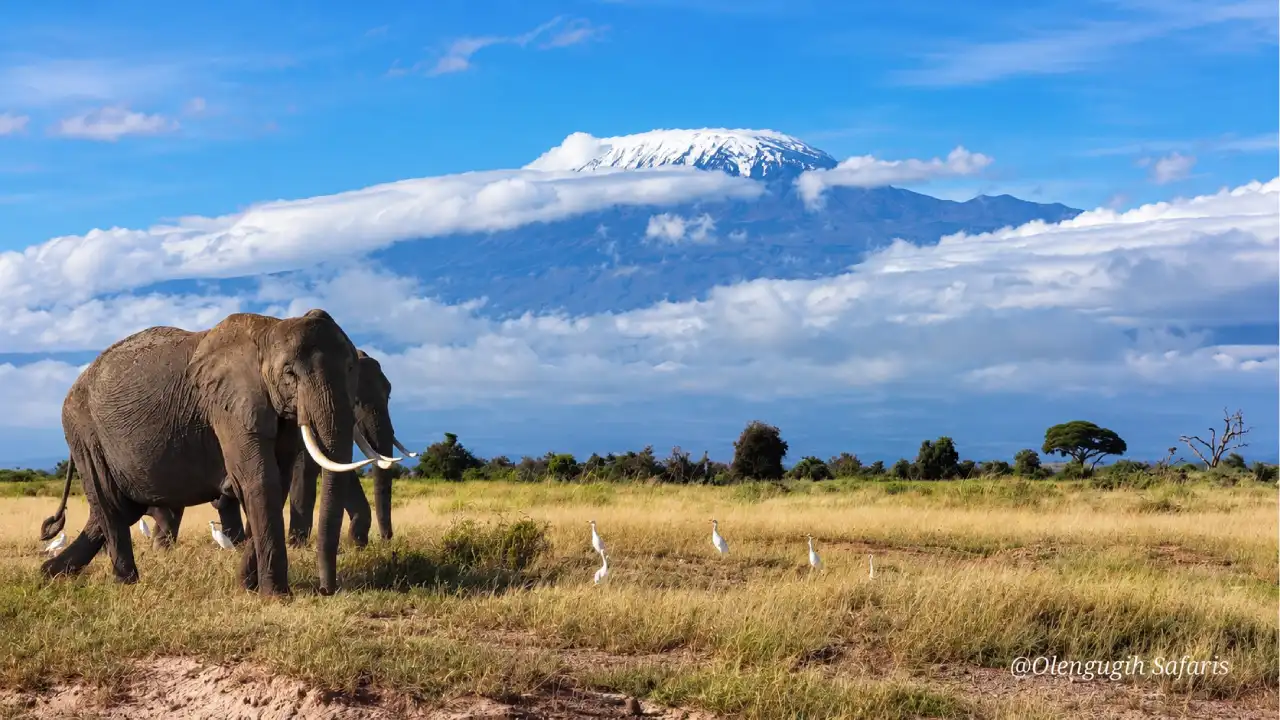
One of the most distinctive features of Amboseli National Park is its breathtaking view of Mount Kilimanjaro, Africa's highest mountain. Although the mountain lies across the border in Tanzania, its snow-capped summit can often be seen rising above the plains of Amboseli when weather conditions are favourable.
The contrast between the mountain, open grasslands and roaming wildlife creates some of the most recognisable safari scenery in East Africa.
Early mornings are often a good time to look for clear views before clouds develop around the mountain. However, visibility depends on the weather, and the summit may not always be visible during your visit.
For photographers, Amboseli provides excellent opportunities to capture elephants walking across the plains with Kilimanjaro in the background. Even travellers who are not wildlife photographers will appreciate the dramatic landscape and peaceful atmosphere.
If you are planning a Kenyan safari and want a destination that combines impressive scenery with rewarding wildlife viewing, Amboseli is an excellent choice.
2. Get Close to Kenya's Famous Elephant Herds
Amboseli is internationally renowned for its elephants and is one of Kenya's best-known destinations for observing these magnificent animals in their natural habitat.
The park's elephants can often be seen travelling in family groups, feeding on vegetation, crossing open plains or gathering around wetland areas. Their presence is a major attraction for visitors interested in wildlife behaviour and photography.
Amboseli's long history of elephant research has also contributed significantly to scientific understanding of elephant behaviour, family structures and conservation.
During a game drive, you may observe young calves staying close to their mothers, family members interacting with one another or large elephants moving through the landscape.
These encounters offer more than memorable photographs. They provide an opportunity to appreciate the social complexity of elephants and the importance of protecting their habitats.
Wildlife sightings vary, and visitors should always follow their guide's instructions and maintain a respectful distance from the animals.
3. Discover a Diverse Range of Wildlife
Although elephants are the park's most famous residents, Amboseli supports a variety of other wildlife species that make game drives rewarding.
Lions
Lions inhabit Amboseli and its surrounding ecosystem. Visitors may encounter them resting in the grass, moving through the plains or interacting with members of their pride. Sightings depend on animal movements and the time spent exploring suitable habitats.
Cheetahs
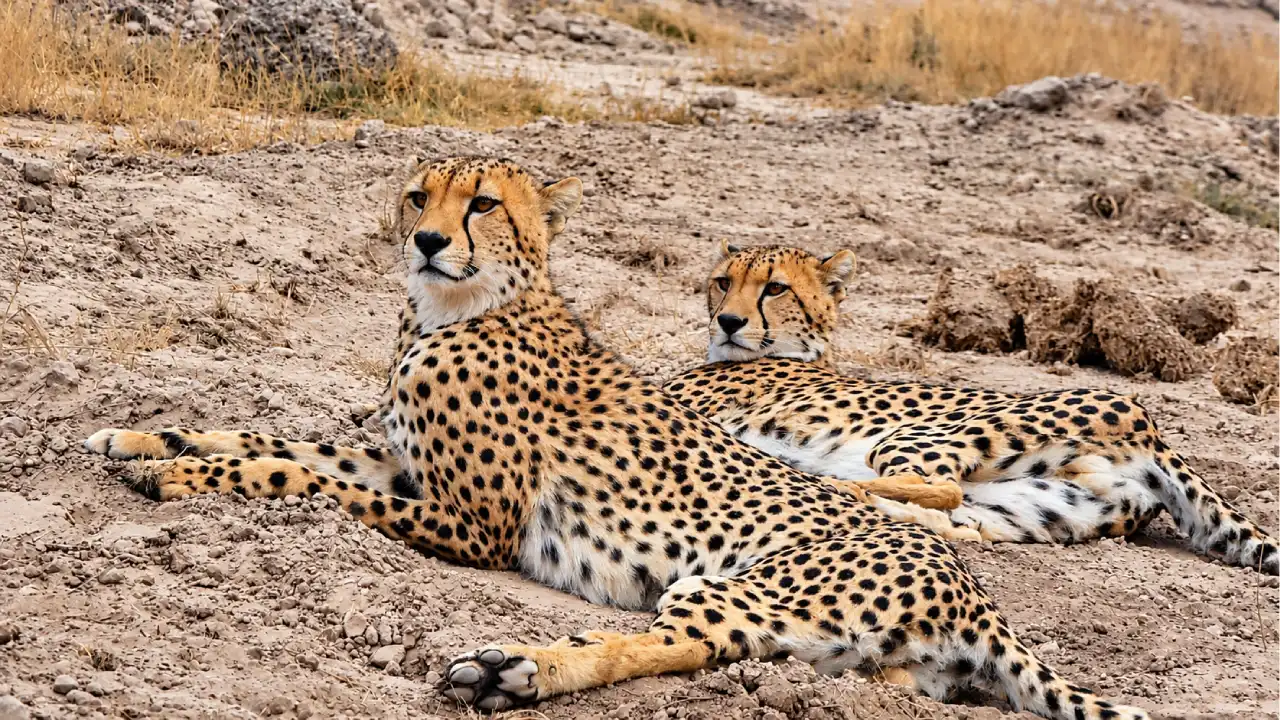
Cheetahs are among the predators visitors may hope to see in Amboseli. Their distinctive appearance and hunting behaviour make them particularly interesting for wildlife enthusiasts and photographers.
Buffaloes
African buffaloes can be seen in herds across suitable habitats, especially where grass and water are available. Their powerful build and social behaviour make them fascinating animals to observe.
Giraffes and zebras
Giraffes browse on trees and shrubs, while zebras graze across open grasslands. Both species contribute to the variety of wildlife encounters available during a safari.
Other wildlife
Depending on the location and season, visitors may also see wildebeest, gazelles, hyenas, warthogs and other mammals.
The park supports different species across its varied habitats, so each game drive can provide a different experience.
4. Explore Amboseli's Unique Landscapes and Ecosystems
Amboseli is not simply a landscape of dry savannah. Its scenery includes open plains, seasonal wetlands, swamps, scrubland and areas of woodland.
These habitats are sustained by a combination of local rainfall and underground water originating from the Mount Kilimanjaro region. The wetlands are especially important because they provide water and vegetation in an otherwise relatively dry environment.
During a safari, you may notice elephants and other animals gathering around wetland areas while different bird species feed in shallow water.
The contrast between dusty plains and green wetlands creates a distinctive landscape that supports a variety of wildlife.
Seasonal changes also influence the appearance of the park. After rainfall, the grasslands may become greener, while drier periods can produce more open views across the plains.
This diversity makes Amboseli appealing to travellers who want to understand how wildlife survives in different environments.
5. Enjoy Exceptional Wildlife Photography
Amboseli is a dream destination for wildlife photographers because of its open landscapes, prominent elephant populations and dramatic mountain backdrop.
The scenery offers opportunities to photograph animals against wide skies, distant hills and the changing colours of the savannah.
The best time for photography
Early morning and late afternoon often provide softer light and attractive shadows. These periods can also coincide with productive wildlife-viewing opportunities.
Clear mornings may reveal Mount Kilimanjaro in the background, while changing weather can create striking contrasts across the landscape.
What should you photograph?
Some popular photographic subjects include:
- Elephants walking across open plains.
- Family groups interacting near wetlands.
- Giraffes browsing against the mountain backdrop.
- Zebras grazing in golden afternoon light.
- Birds feeding in swamps and shallow waters.
- Wide landscape scenes featuring wildlife and Kilimanjaro.
A camera with a suitable telephoto lens can help you photograph animals without approaching them too closely. Binoculars are also useful for observing wildlife from a distance.
Remember that wildlife photography requires patience. The best moments often happen unexpectedly, so allow time to observe animal behaviour instead of rushing between sightings.
6. Experience Remarkable Birdwatching
Amboseli is also an attractive destination for birdwatchers, with birdlife supported by its wetlands, grasslands and other habitats.
Depending on the season, visitors may encounter waterbirds, raptors, storks, herons, egrets, bee-eaters and numerous other species.
Wetland areas can be particularly rewarding because they attract birds that depend on water for feeding and breeding. Open plains and scrubland provide habitats for different species, creating varied birdwatching opportunities within the same destination.
Whether you are an experienced birder or a beginner, a knowledgeable guide can help you identify species, understand their behaviour and recognise the importance of different habitats.
Bring binoculars, a field guide or a bird identification app if you want to make birdwatching a central part of your safari.
7. Learn About Wildlife Conservation
Amboseli is an important destination for understanding the challenges and achievements of wildlife conservation in Kenya.
Its elephants have been the subject of long-term research, while the wider ecosystem demonstrates the relationship between wildlife, local communities, land use and access to water.
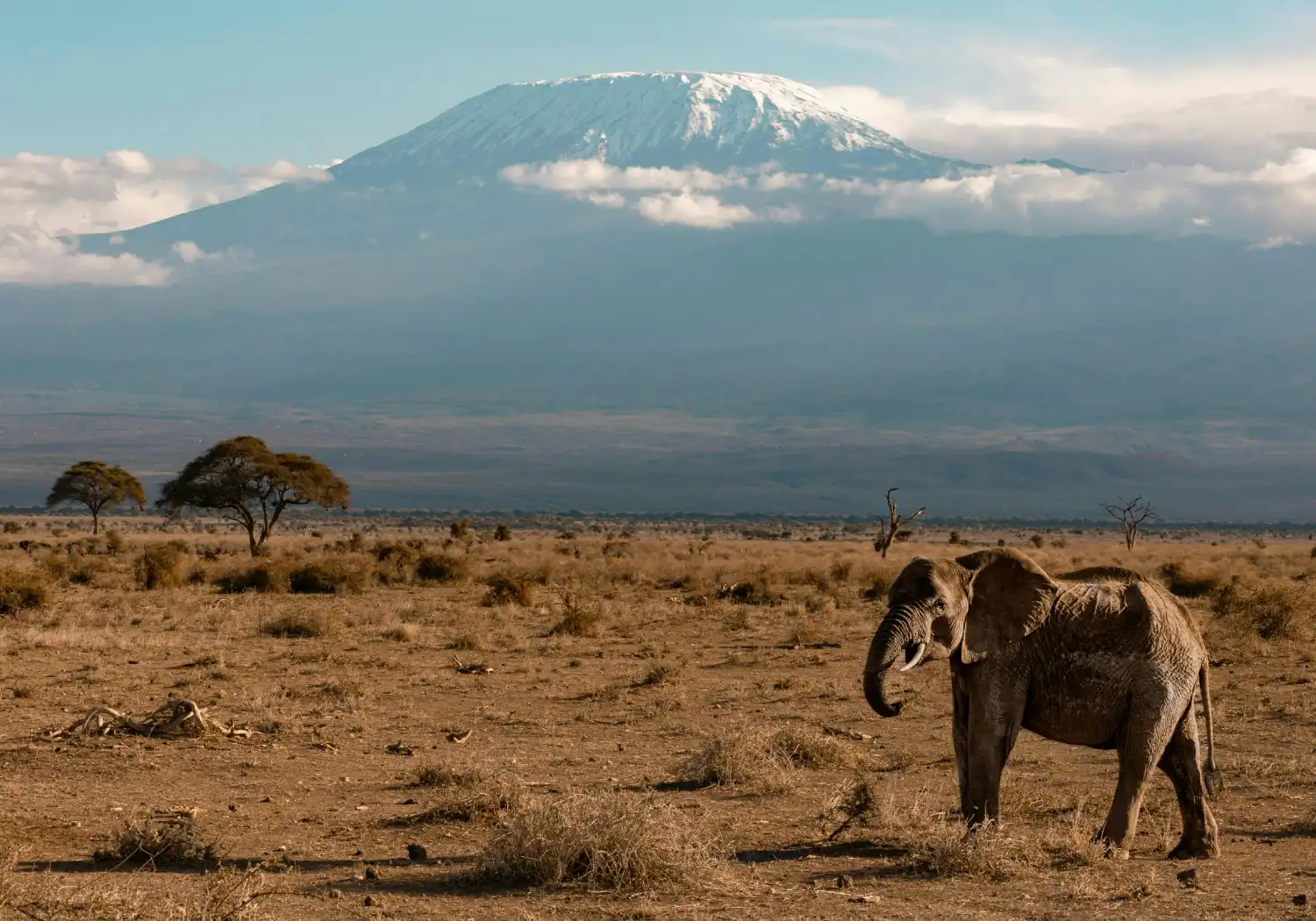
Elephants require extensive areas in which to move between feeding grounds and water sources. Protecting migration routes and maintaining habitat connectivity are therefore important for their long-term survival.
The surrounding landscape also includes community lands and conservation initiatives that contribute to the wider ecosystem.
Visitors can support responsible tourism by choosing reputable safari operators, respecting wildlife regulations and learning about conservation efforts.
A safari is an opportunity to appreciate wildlife while recognising that its future depends on protecting habitats and working with the communities who share the landscape.
8. Enjoy a Relaxing and Rewarding Safari Experience
Amboseli offers a safari atmosphere that combines exciting wildlife encounters with peaceful scenery.
Visitors can spend the morning exploring the plains, return to their lodge or camp for lunch and relaxation, and head out again later in the day for another game drive.
Depending on your accommodation, you may enjoy views of the surrounding landscape, comfortable dining areas, swimming pools or quiet outdoor spaces.
This balance between adventure and relaxation makes Amboseli suitable for different types of travellers, including couples, families and visitors seeking a slower-paced holiday.
Some travellers prefer to concentrate on wildlife photography, while others enjoy learning about animal behaviour or simply taking in the scenery.
A thoughtfully planned itinerary can accommodate these interests without making the safari feel rushed.
9. Amboseli Is Ideal for Different Types of Travellers
One of the reasons Amboseli remains popular is its ability to suit a wide range of safari preferences.
Family safaris
Families can enjoy observing elephants, giraffes, zebras and other wildlife while learning about Kenya's natural environment.
When travelling with children, choose accommodation with suitable family facilities and confirm any age restrictions for activities. Shorter transfers and a manageable daily schedule can make the experience more comfortable.
Romantic getaways and honeymoons
Amboseli's dramatic scenery and peaceful atmosphere create an appealing setting for couples.
Depending on the accommodation, honeymoon experiences may include scenic dining, private game drives and time to relax while enjoying views of the surrounding landscape.
Wildlife enthusiasts
Travellers with a particular interest in elephants, predators, birds or conservation can benefit from spending more time exploring the park with a knowledgeable guide.
Longer stays allow you to visit different areas and observe wildlife behaviour at a more relaxed pace.
Photographers
Amboseli's landscapes and wildlife provide a wide range of photographic opportunities. Travellers interested in photography should communicate their goals before booking so their operator can help plan appropriate game-drive schedules and accommodation.
10. What Is the Best Time to Visit Amboseli National Park?
Amboseli can be visited throughout the year, although weather and vegetation conditions influence the experience.
January to February
These months are generally associated with a relatively dry period, although local conditions vary. Wildlife viewing can be rewarding, and open vegetation may make animals easier to spot in some areas.
March to May
The long rains commonly occur during this period. The landscape may become greener, and birdwatching can be particularly appealing. However, heavy rainfall may affect road conditions and travel times.
June to October
These months are generally popular for safaris because they often feature drier conditions. Wildlife viewing can be productive, although conditions vary from year to year.
Clear mornings may offer excellent opportunities to photograph Mount Kilimanjaro, but clouds can obscure the mountain at any time.
November to December
The short rains often occur around this period, bringing changes to the vegetation and water availability. The park can look especially attractive when the landscape becomes greener, although rainfall patterns are not guaranteed.
When should you travel?
The best time depends on your priorities. For photography, consider early mornings and weather conditions. For general wildlife viewing, several months can be rewarding. For birdwatching, seasonal changes may influence which species you encounter.
If you have specific travel dates, ask your safari operator about current conditions and accommodation availability before making a booking.
11. How Many Days Do You Need in Amboseli?
The amount of time you spend in Amboseli will depend on your budget, travel schedule and interests.
One day: A day visit may be possible for travellers staying nearby, but it offers limited time and may involve substantial driving if starting from Nairobi.
Two days: A two-day safari can provide an introduction to Amboseli, with an overnight stay and opportunities for wildlife viewing.
Three days: Three days allow for a more relaxed experience, with multiple game drives and additional time to appreciate the landscape.
Four days or more: A longer stay suits photographers, birdwatchers and travellers who want to explore at a slower pace or combine their safari with nearby destinations.
For most visitors travelling from Nairobi, spending at least two nights in the Amboseli area can help balance travel time with wildlife-viewing opportunities.
12. Where Should You Stay in Amboseli?
Amboseli offers accommodation ranging from simple camps to comfortable lodges and luxury safari retreats.
Budget accommodation
Budget options are suitable for travellers prioritising affordability. Facilities vary, so check the room type, bathroom arrangements, meal plan and distance from the park before booking.
Midrange lodges and camps
Midrange properties offer a balance of comfort and cost. They may include ensuite rooms or tents, restaurants, lounges and organised game drives.
Luxury safari accommodation
Luxury camps and lodges may offer spacious rooms, personalised service, premium dining and scenic views. Some properties provide additional amenities such as swimming pools, private dining or spa treatments.
What should you consider?
When choosing accommodation, confirm:
- Its exact location and distance from the park entrance.
- Room category and bedding arrangements.
- Meal plans and dietary options.
- Whether game drives and transport are included.
- Available facilities and accessibility requirements.
- Seasonal rates and cancellation policies.
The right property should match your budget and itinerary while allowing enough time to enjoy Amboseli's wildlife.
13. How Do You Get to Amboseli National Park?
Amboseli can be reached from Nairobi by road or by domestic flight, depending on your preferred arrangements.
Road safari
Travelling by road allows visitors to experience Kenya's changing scenery and can be a practical option for private safaris and family trips.
A suitable safari vehicle, such as a 4x4 Land Cruiser, may be used depending on the route and package. Travel time varies with the departure point, road conditions, traffic and weather.
Flying safari
Domestic flights may provide access to the Amboseli area through the available airstrip arrangements. Flying can reduce road travel time, although the total journey also includes airport procedures and transfers to accommodation.
Flight schedules, baggage limits and availability should be confirmed before booking.
Combining Amboseli with other destinations
Amboseli can form part of a wider Kenyan safari. Depending on the length of your trip and the route, you may combine it with destinations such as Tsavo West, Tsavo East, Lake Nakuru or the Masai Mara.
Allow sufficient time for transfers, as distances and road conditions can make some combinations demanding within a short itinerary.
14. What Should You Pack for an Amboseli Safari?
Packing for Amboseli is straightforward if you prepare for warm afternoons and cooler early mornings.
Consider bringing:
- Lightweight, breathable clothing.
- A warm jacket for early-morning game drives.
- Comfortable closed shoes.
- A wide-brimmed hat and sunglasses.
- Sunscreen and insect repellent.
- Binoculars and a camera.
- Spare batteries and charging equipment.
- Personal medication and toiletries.
- A reusable water bottle.
- Travel documents and booking confirmations.
A light waterproof jacket can be useful during rainy periods. Neutral colours are practical for wildlife activities, although comfort and protection from the sun should take priority.
15. Combine Amboseli with Other Kenyan Safari Destinations
Amboseli can be the highlight of a short holiday or one stop on a longer safari circuit.
Amboseli and Tsavo West
Combining the two destinations allows visitors to explore different landscapes and wildlife habitats. Tsavo West offers varied terrain, volcanic features and natural springs, creating a different experience from Amboseli's open plains and wetlands.
Amboseli and the Masai Mara
A longer itinerary can combine Amboseli's elephants and Kilimanjaro views with the Masai Mara's expansive savannahs and exceptional predator-viewing opportunities.
Because the destinations are far apart, careful planning is essential. Travellers may choose to travel by road with overnight stops or consider suitable domestic flight connections.
Amboseli and the Kenyan coast
For travellers seeking both wildlife and relaxation, a safari can be combined with a beach holiday on Kenya's Indian Ocean coast.
Depending on your route, budget and available time, you may include destinations such as Diani Beach or other coastal areas after your safari.
This combination offers a contrast between wildlife adventures and time by the ocean.
16. Tips for Planning a Successful Amboseli Safari
A few practical steps can help you get more from your visit.
Book accommodation early: Popular properties may have limited availability during busy travel periods. Booking ahead provides more choice.
Choose a suitable safari vehicle: Discuss your group size, comfort preferences and itinerary with your operator before confirming transport.
Allow enough time for game drives: Wildlife viewing is unpredictable, so avoid planning a schedule that leaves little time to explore.
Check what your package includes: Confirm accommodation, meals, transport, park fees, game drives and optional activities.
Follow your guide's instructions: Always maintain a safe distance from wildlife and respect park rules.
Be patient with Mount Kilimanjaro views: The mountain may be hidden by clouds, even when the surrounding landscape is clear.
Travel responsibly: Avoid littering, never feed wild animals and choose tourism providers that respect wildlife and local communities.
Conclusion: Make Amboseli Part of Your Kenyan Safari
Amboseli National Park is a remarkable safari destination that brings together some of Kenya's most memorable natural attractions. Its famous elephant herds, striking landscapes, diverse birdlife and spectacular views of Mount Kilimanjaro create an experience that appeals to first-time visitors and experienced safari travellers alike.
Whether you are interested in wildlife photography, a family holiday, a romantic escape or a longer adventure through Kenya, Amboseli offers plenty of reasons to explore its unique environment.
With careful planning, suitable accommodation and a well-designed itinerary, you can enjoy rewarding wildlife encounters while gaining a deeper appreciation of Kenya's natural heritage.
About the writer
This Amboseli Safari guide is written by Morrin Wanjiku, a safari specialist at Olengugih Safaris. Amboseli is Morrin's favourite destination.