Best Time for Horse Riding Safaris in Kenya: Month-by-Month Guide
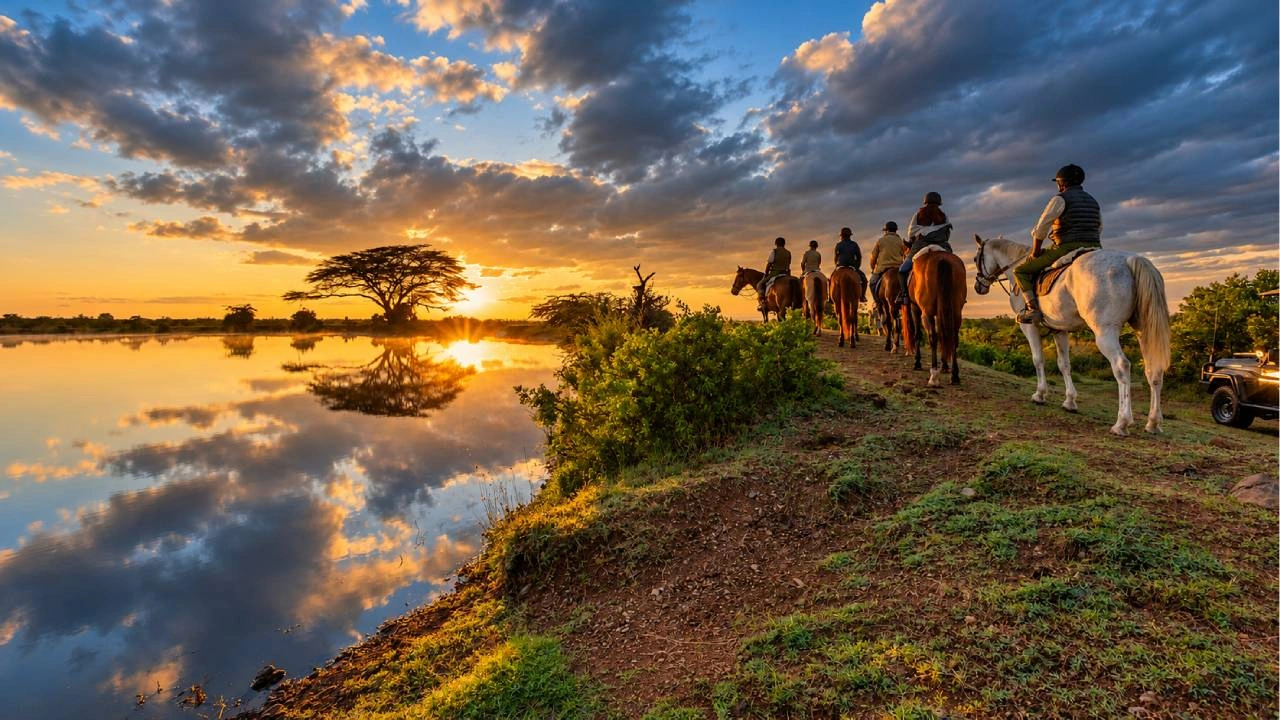
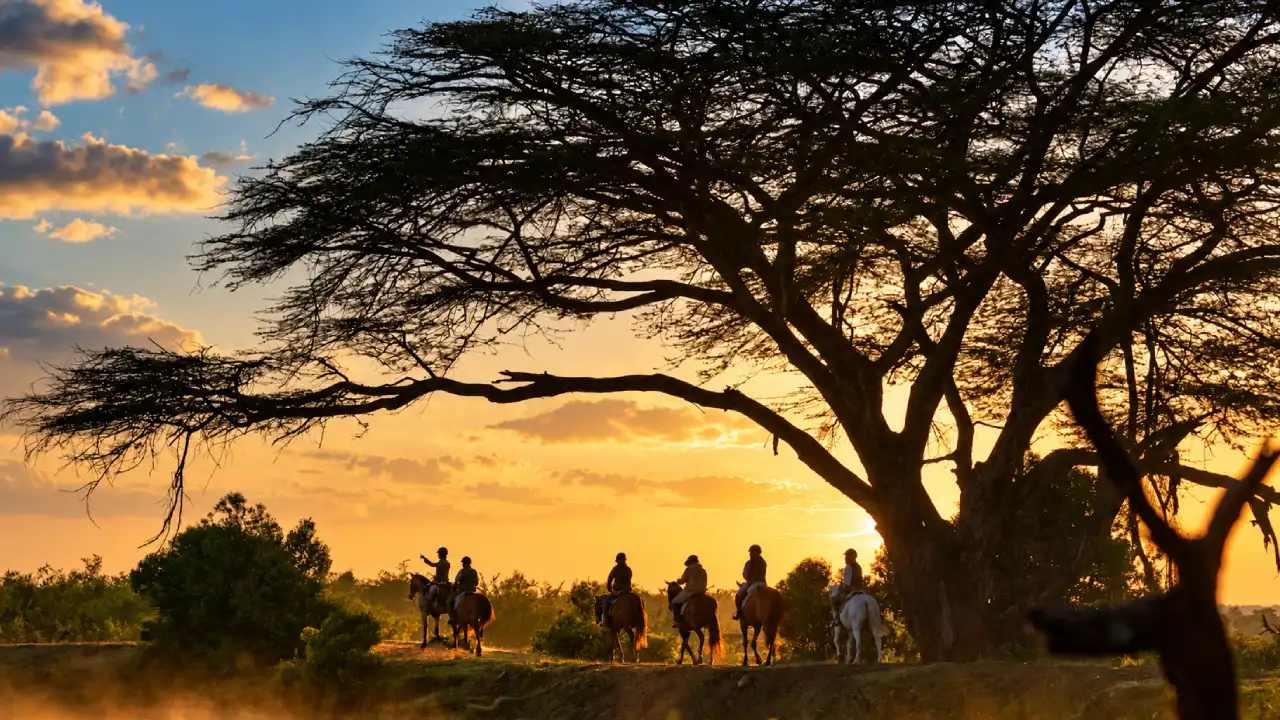
The best time for horse riding safaris in Kenya is the dry season, from late June to October. January and February are also very good. In these months the ground is firm, the skies are clear and wildlife gathers near water.
You can ride in the rainy months too. The long rains from April to May and the short rains in November bring green plains, newborn animals and fewer guests. But some rides slow down or pause when conditions are wet.
The right month also depends on where you ride. The Masai Mara is best during the Great Migration. Laikipia and the Chyulu Hills are good almost all year. This guide shows you how to match your dates to the ride you want.
Best time for horse riding safaris in Kenya at a glance
Season | Months | Riding verdict |
|---|---|---|
Best | July to October | Dry, firm ground, easy wildlife viewing. Busiest and priciest |
Very good | January to February | Hot and dry. Wildlife gathers at water. Fewer crowds |
Good | March | Warm, with the first rains possible late in the month |
Challenging | April to May | Long rains. Muddy ground and some ride closures |
Good | June | Rains fade and the plains are green and fresh |
Mixed | November to December | Short rains. Green scenery, showers, festive crowds in late December |
If you can only pick one window, choose late June to October. If you want quieter rides at a lower price, aim for January to February.
Month-by-month guide to riding in Kenya
Month | Weather | Riding conditions | Rating |
|---|---|---|---|
January | Hot, dry | Firm ground, clear views, wildlife near water | Very good |
February | Hot, dry | Dusty but excellent for long canters | Very good |
March | Warm, rain may start | Mostly good, with a chance of showers late in the month | Good |
April | Long rains | Wet paths, muddy plains, some rides closed | Challenging |
May | Long rains | Lush and quiet. Heavy downpours possible | Challenging |
June | Rains fade, cooler | Green plains, newborn animals, good value | Good |
July | Cool, dry | Firm ground, great wildlife. Mara migration begins | Excellent |
August | Cool, dry | Peak season. Best for Mara river crossings | Excellent |
September | Dry, warm | Still the prime window with fewer crowds than August | Excellent |
October | Warm, dry | Good riding, then short rains may return near the end | Very good |
November | Short rains | Fresh scenery, showers, fewer guests | Mixed |
December | Short rains, then dry | Better late in the month. Busy over Christmas | Mixed |
Best time to ride by region
Kenya is large and its areas behave differently. Altitude matters too. It gets cooler as you climb, and rain can fall in the highlands at almost any time.
Area | Best months | Notes |
|---|---|---|
Laikipia | June to October, January to February | Cool mornings. Rides run most of the year |
July to October | Great Migration. Book early | |
Chyulu Hills and Amboseli area | June to October, January to February | Clear views of Kilimanjaro in the dry months |
January to March, June to October | Gentle rides. Muddy tracks in April and May | |
Samburu and the north | June to October, January to March | Hot, dry country. Rain is welcome but rare |
Laikipia
Laikipia is the most flexible riding area. Dry months give easy wildlife viewing. The green season brings newborn animals and fewer guests. Mornings and evenings are cool, so pack a warm layer.
Masai Mara
Choose July to October for the Great Migration. Wildebeest herds cross the plains and the Mara River. Rides need experienced riders and early booking.
Chyulu Hills and Amboseli area
The dry months give the clearest views of Kilimanjaro. Giraffe, zebra and eland are easy to find on open ground.
Lake Naivasha
Naivasha works in most months, but muddy tracks can slow rides during the long rains.
Samburu and the north
The north is hot and dry. Early starts matter, and rides are short in the heat of the day.
Dry season or green season: which is better for riders?
Both have a place. Here is how they compare.
Dry season (June to October, January to February) | Green season (April to May, November) | |
|---|---|---|
Ground | Firm and fast | Soft, muddy in places |
Wildlife | Easy to find near water | Spread out across the land |
Scenery | Golden and dusty | Lush, green and fresh |
Views | Clear, with Kilimanjaro and Mount Kenya often visible | Clouds and haze more likely |
Crowds | Busier | Quieter |
Price | Higher | Often lower |
Ride changes | Rare | Some rides shortened or paused |
Dry-season riding suits first-timers and anyone who wants the best chance of seeing wildlife. Green-season riding suits confident riders who want quiet trails, birdlife and newborn animals, and who can stay flexible.
Horse riding safaris only run when conditions allow. Your guide may change the route or the time of day to keep horses and riders safe.
Riding with the Great Migration
The Great Migration is the main reason many riders head to the Masai Mara. Huge herds of wildebeest and zebra arrive from Tanzania, usually from about July. They stay until about October.
The best months for river crossings are usually August and September. Timing changes from year to year with the rains, so no operator can promise a crossing on a given day.
Riding in the Mara is exciting, but it is for experienced riders. Rides can be long and the wildlife is big. Expect lion, elephant, hippo and herds of grazers.
Book early. Riding places in the Mara in peak season often sell out many months ahead.
Best time to go for your type of rider
If you are... | Go in | Why |
|---|---|---|
A beginner | June to October or January to February | Firm ground and gentler rides |
An experienced rider | July to October | Long canters and the Mara migration |
A photographer | January to February or July to September | Clear light and wildlife at water |
A family | School holidays, with calm horses | Book early. Rides depend on age and experience |
On a budget | January to February or November | Lower rates and fewer guests |
A birdwatcher | November to April | Migratory birds are present |
A honeymooner | June or September | Good weather and fewer crowds than August |
What to pack for each season
Season | Pack |
|---|---|
Dry season | Light neutral layers, a warm fleece for cool mornings, a hat, sunscreen, sunglasses, a buff for dust |
Green season | Waterproof jacket, quick-dry riding trousers, spare socks, boots with grip, a dry bag for your camera |
All year | Riding helmet, closed shoes or riding boots, half chaps, padded gloves, insect repellent, reusable water bottle |
Mornings on the highlands can feel cold even in the dry season. Temperatures drop about 6°C for every 1,000 metres you climb, so layers matter. Pack in neutral colours such as khaki, green and beige.
How far ahead should you book?
Riding lodges keep small stables, so places fill fast.
Travel dates | Book ahead by |
|---|---|
July to October | 9 to 12 months |
Christmas and New Year | 9 to 12 months |
January to March | 4 to 6 months |
April to June and November | 2 to 4 months |
Mara migration dates and school holidays go first. If you are flexible, ask us about shoulder months, when availability is better and rates are often lower.
Frequently asked questions
What is the best time for horse riding safaris in Kenya?
Late June to October is best, with January and February close behind. The ground is dry, the air is clear and wildlife is easy to find.
Can you do a horse riding safari in the rainy season?
Yes, in many areas. But paths can be muddy and some rides are shortened or paused. The long rains from April to May are the hardest months.
When is the Great Migration in the Masai Mara?
Usually from about July to October. River crossings are most often seen in August and September, but timing changes each year.
Which month is cheapest for a riding safari?
Rates are usually lower in the green season, April to May and November. January and February can also offer good value.
Is January a good time to ride in Kenya?
Yes. January is hot and dry with firm ground, clear views and fewer guests than the peak months.
Is December a good time for a horse riding safari?
It can be. Early December may see short rains. Late December is drier but busy with holiday guests, so book early.
What is the best time for beginners?
June to October or January to February. Dry ground makes riding easier and safer.
Where is the best place to ride in the dry season?
Laikipia, the Chyulu Hills foothills and the Masai Mara all shine in the dry months.
Is it too cold to ride in the morning?
Highland mornings can be cool, especially from June to August. Wear layers you can remove as the day warms.
How long are rides in hot weather?
Rides often start early and finish before the midday heat. In the north, expect shorter rides.
Do horse riding safaris run all year?
Most lodges run through the year, but rides only go ahead when conditions allow. Always check with your operator.
Plan your riding safari with Olengugih Safaris
Tell us when you want to travel and how much riding you have done. We will suggest the best area, lodge and month for your dates. We can also pair your ride with game drives, walks and time on the coast.
Contact Olengugih Safaris to plan your horse riding safari in Kenya.