

A Big Five safari in Kenya brings you close to Africa’s most iconic wildlife: lions, leopards, elephants, rhinos, and buffalo. From the open plains of the Maasai Mara to the elephant country of Amboseli, Kenya offers remarkable opportunities to see these animals in their natural habitats.
But where should you go if spotting all five is your goal? How many days should you plan? And which parks suit first-time safari travellers, families, photographers, or couples?
This guide explores Kenya’s best Big Five safari destinations, the wildlife experiences each park offers, the best time to travel, and practical tips for planning your trip. It also explains why seeing all five is never guaranteed, even in Kenya’s celebrated wildlife reserves.
Key Takeaways
Key takeaway | What you need to know |
|---|---|
The Big Five animals | Lions, African elephants, African buffaloes, leopards and rhinos are the five animals to look for. |
Best-known safari destination | The Maasai Mara is famous for lions, diverse wildlife and the Great Wildebeest Migration. |
Best for elephants | Amboseli National Park is renowned for its elephant herds and views of Mount Kilimanjaro. |
Best for rhino sightings | Lake Nakuru National Park and selected Laikipia conservancies are important options for rhino viewing. |
Tsavo wilderness | Tsavo East and Tsavo West are ideal for exploring expansive landscapes and observing elephants and other wildlife. |
Best time to visit | Drier periods, generally June to October and January to February, often offer favorable wildlife-viewing conditions. |
Recommended safari duration | Four to six days is a useful starting point for exploring one or more wildlife destinations. |
Safari costs | Prices depend on accommodation, transport, park fees, season and whether you choose a shared or private safari. |
Responsible wildlife viewing | Follow your guide’s instructions, maintain a safe distance and choose operators that respect conservation rules. |
Set realistic expectations | Seeing all five animals is possible, but sightings are never guaranteed. |
What Are the Big Five Animals in Kenya?
A Big Five safari in Kenya gives you the chance to discover five iconic African animals: the lion, African elephant, African buffalo, leopard and rhinoceros. The term “Big Five” originally referred to animals that hunters considered particularly difficult and dangerous to hunt on foot. Today, it describes one of Africa’s most popular wildlife-viewing experiences. Kenya’s national parks and wildlife conservancies provide opportunities to observe these animals in their natural habitats. Each species has distinctive behaviors, physical characteristics and survival skills that make it fascinating to watch. Although seeing all five is possible, sightings depend on wildlife movements, habitat conditions, weather and the experience of your safari guide.
1. The African Lion
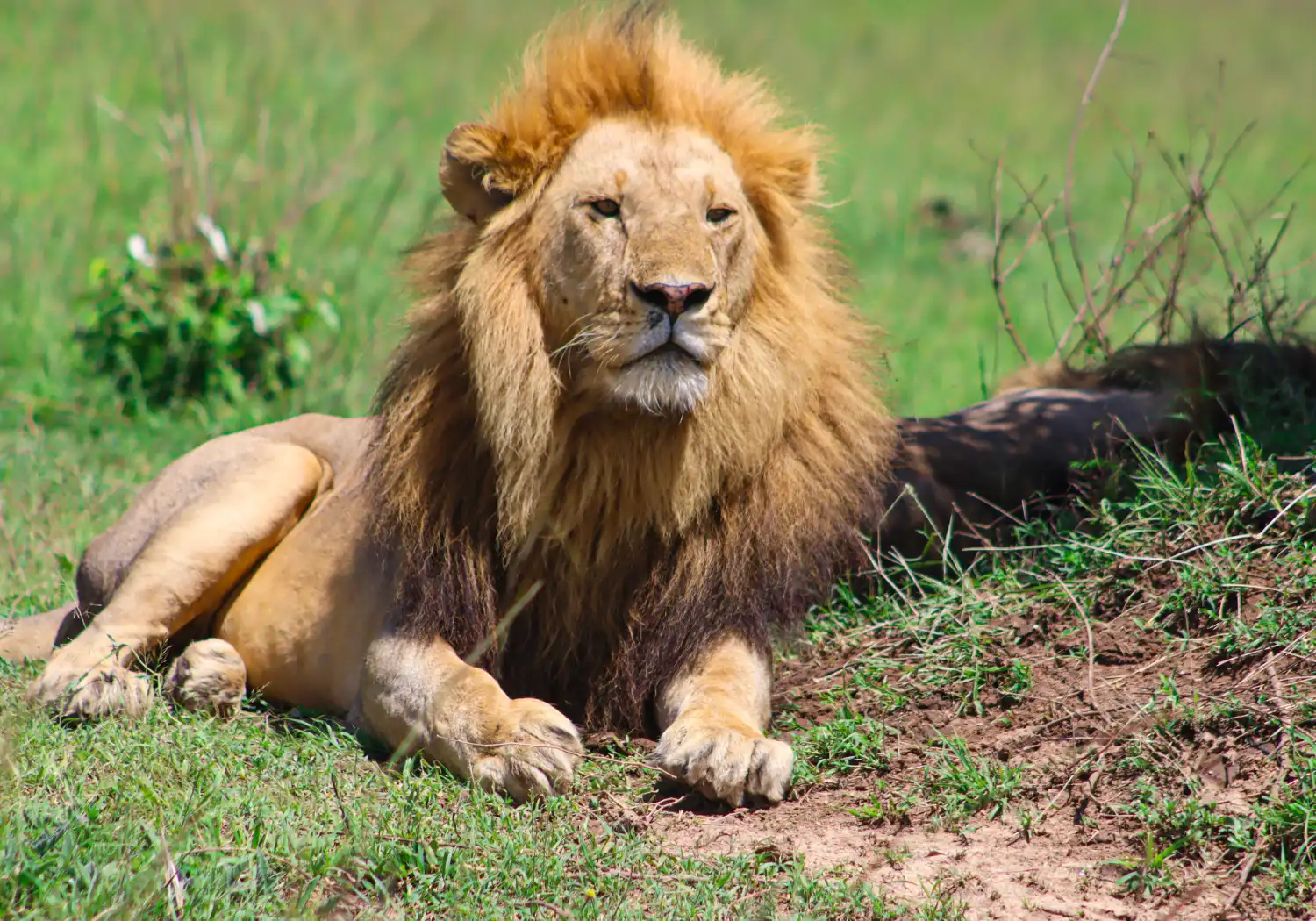
The African lion is among the most recognizable animals on a Big Five safari in Kenya. Lions are social cats that often live in groups called prides, consisting of related females, their young and one or more adult males. They spend much of the hotter part of the day resting before becoming more active during cooler hours. The Masai Mara National Reserve is particularly popular for lion sightings because its grasslands support abundant wildlife. During a game drive, you might see lions resting beneath trees, walking through tall grass or watching nearby herds. Their powerful build, impressive roars and hunting behavior make them a highlight of many Kenyan safaris.
2. The African Elephant
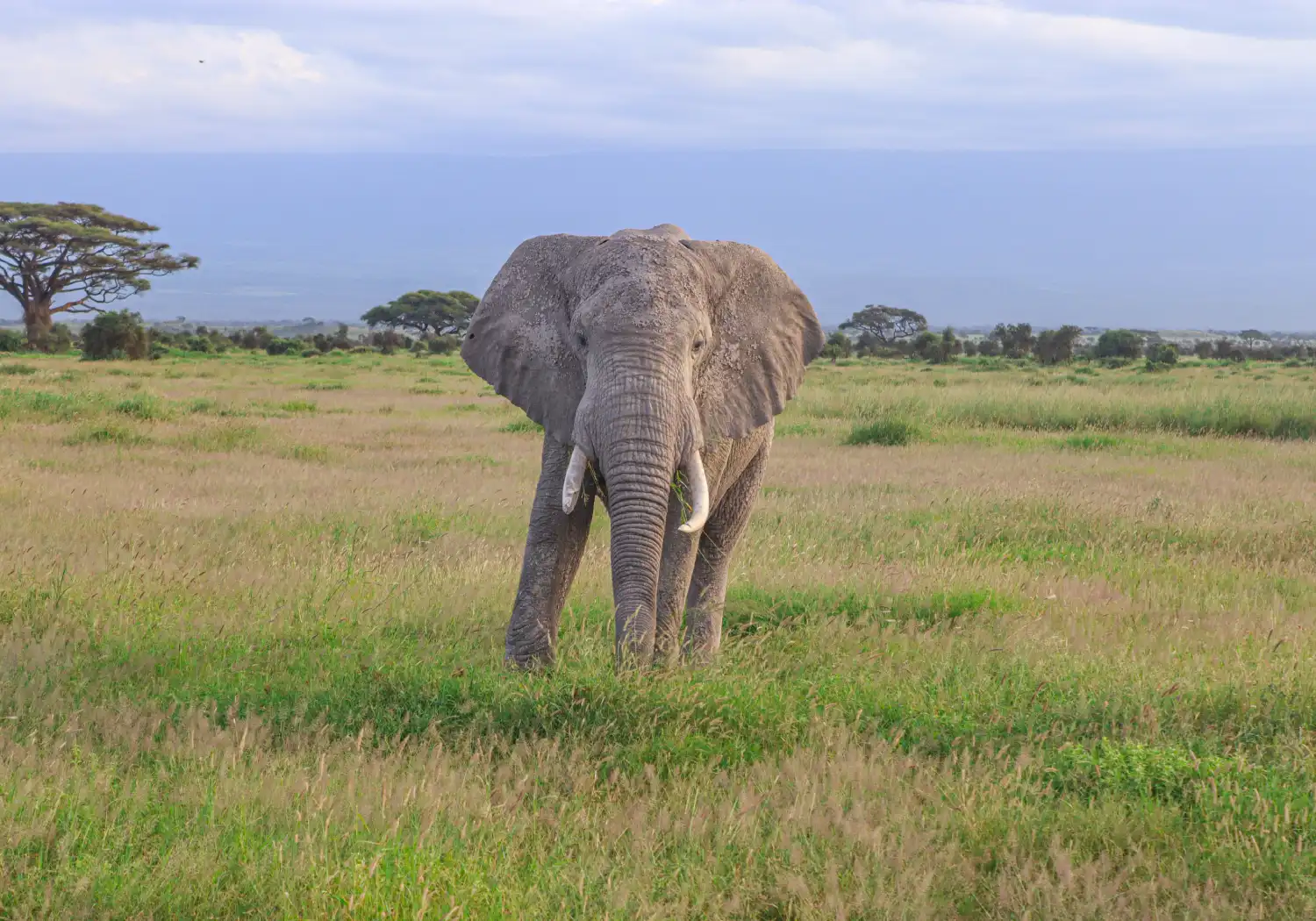
The African elephant is the largest land animal on Earth and one of Kenya’s most impressive wildlife encounters. Elephants are intelligent, social mammals that commonly travel in family groups led by an experienced female called a matriarch. They use their trunks to collect food, drink water, communicate and investigate objects around them. Amboseli National Park is especially well known for its elephant populations and occasional clear views of Mount Kilimanjaro. Visitors may observe elephants feeding, moving across open plains or gathering near water sources. Despite their gentle-looking behavior, elephants are powerful wild animals that need plenty of space. Always remain inside your safari vehicle and follow your guide’s instructions.
3. The African Buffalo
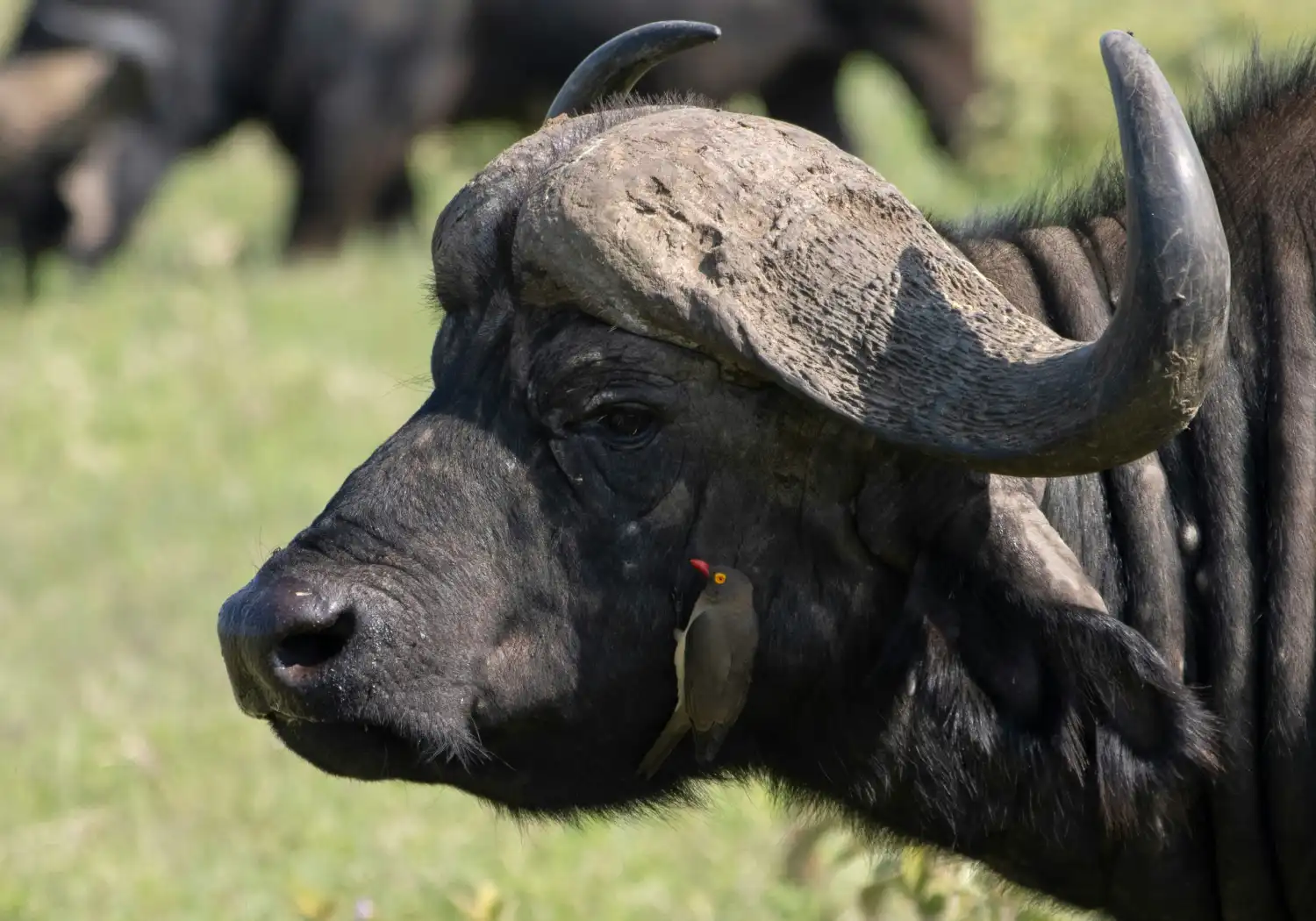
The African buffalo is a strong, muscular herbivore found in several of Kenya’s wildlife areas. Its dark coat, broad head and curved horns make it distinctive among the Big Five. Buffalo commonly gather in herds, grazing on grass and moving between feeding areas and water sources. Large groups can create impressive scenes across the savannah, while some older males spend time in smaller groups. Although buffalo mainly feed on vegetation, they are powerful animals that can react unpredictably when threatened. Visitors should never approach them on foot or attempt to get closer for photographs. Watching a herd from a safe distance allows you to appreciate their size, social behavior and importance within the African ecosystem.
4. The African Leopard
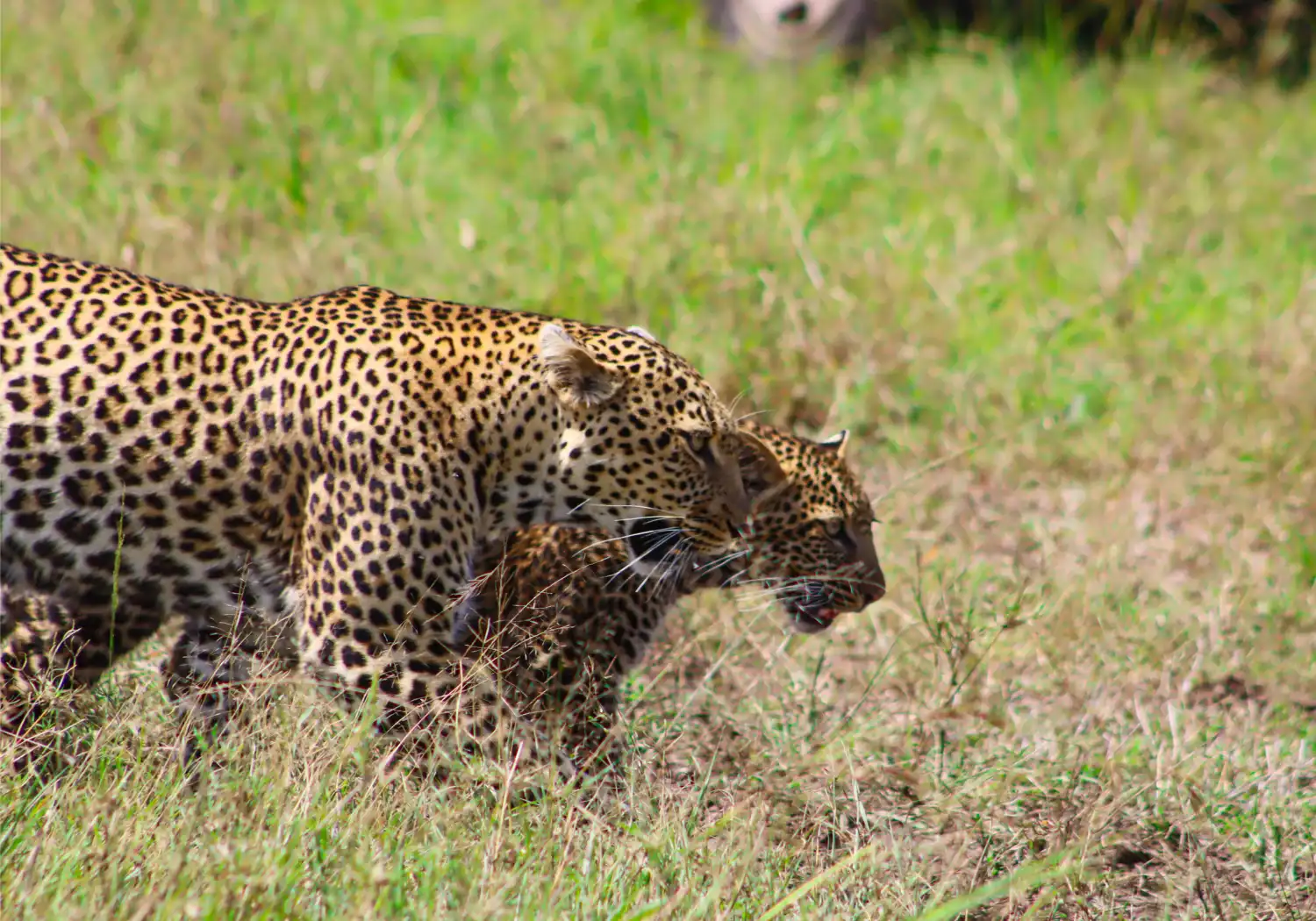
The African leopard is often one of the most difficult Big Five animals to spot during a Kenya safari. Its golden coat and dark rosettes provide excellent camouflage among trees, rocks and thick vegetation. Leopards are solitary and secretive, and they are often most active during the night or around dawn and dusk. They are also skilled climbers and may carry their prey into trees to keep it away from scavengers. During a game drive, your guide may check shaded riverbanks, branches and areas where leopards have recently been reported. Patience is essential because a leopard can remain hidden even when it is relatively close. Seeing one in the wild is a rewarding moment for any wildlife enthusiast.
5. The Rhinoceros
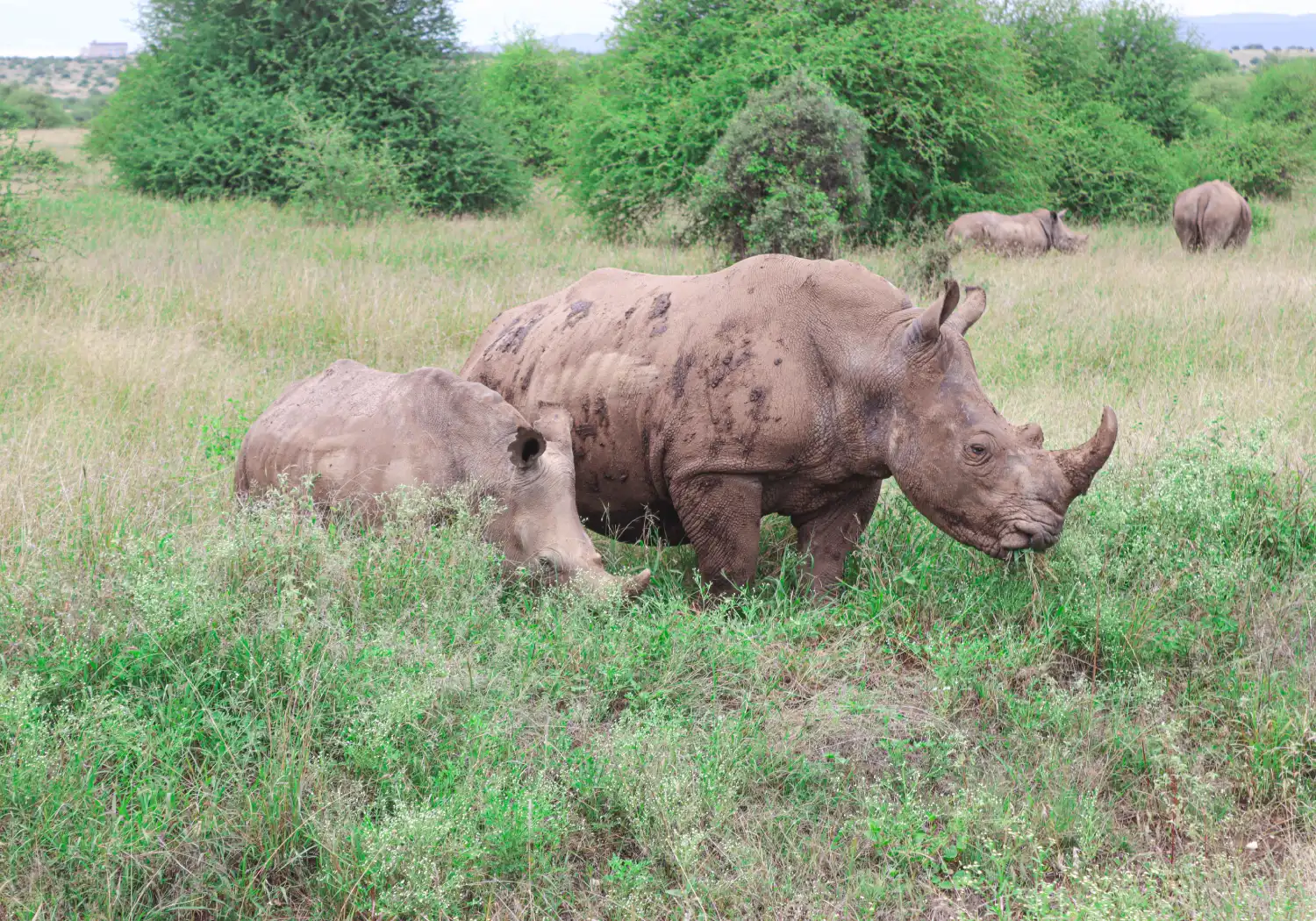
The rhinoceros is another remarkable member of Kenya’s Big Five and a major focus of wildlife conservation. Kenya is home to black and white rhinos, which differ in appearance, feeding habits and behavior. Black rhinos generally browse shrubs and bushes, while white rhinos primarily graze on grass. Lake Nakuru National Park and selected conservancies are known for rhino conservation and may offer opportunities to see these animals. Rhinos have thick skin, powerful bodies and one or two horns, depending on the species. They may spend long periods feeding or resting, so sightings can require patience. Poaching and habitat loss have threatened rhino populations, making responsible tourism and continued conservation work essential to their protection.
Where Can You See the Big Five in Kenya?
Kenya has several national parks, reserves and private conservancies where visitors can search for the Big Five. Each destination offers different wildlife-viewing opportunities, from the Masai Mara’s famous lions to Laikipia’s conservation areas. Combining two or three destinations can improve your chances of seeing different species while giving you a varied safari experience. However, wildlife moves freely, so no destination can guarantee sightings of all five animals.
Masai Mara National Reserve
The Masai Mara National Reserve is one of Kenya’s most popular destinations for a Big Five safari. Its open grasslands and abundant prey support impressive lion populations, while elephants, buffaloes and leopards also inhabit the reserve. Rhino sightings are possible but less predictable. The Mara is also famous for the Great Wildebeest Migration, when large herds move through the wider Mara–Serengeti ecosystem. Visitors can enjoy rewarding game drives outside migration season, too, with opportunities to observe predators, grazing animals and diverse birdlife. For the best experience, allow enough time for multiple game drives and follow your guide’s advice on recent wildlife movements.
Amboseli National Park
Amboseli National Park is particularly famous for its large elephant herds and spectacular views of Mount Kilimanjaro on clear days. Its open plains, wetlands and scattered woodlands provide habitats for a variety of wildlife. Elephants are the main attraction, while lions, buffaloes and leopards may also be encountered. Rhino sightings are not a reliable expectation, so travelers hoping to see all five animals should consider combining Amboseli with another destination. The park is especially appealing to photographers because elephants can appear against the mountain backdrop. Its distinctive scenery, accessible wildlife-viewing areas and memorable elephant encounters make Amboseli an excellent addition to a Kenya safari itinerary.
Lake Nakuru National Park
Lake Nakuru National Park is a strong choice for travelers hoping to see rhinos during their Kenya safari. The park supports black and white rhino conservation and also contains buffaloes, lions, leopards, giraffes and numerous bird species. Its combination of grasslands, woodland and lakeshore habitats creates varied opportunities for wildlife viewing. Although rhinos are a major attraction, sightings still depend on their movements and the areas accessible during your visit. Lake Nakuru’s relatively compact size makes it a practical stop on a longer itinerary through Kenya’s Rift Valley. Combining it with the Maasai Mara can provide a broader wildlife experience and improve opportunities to search for different members of the Big Five.
Tsavo East and Tsavo West National Parks
Tsavo East and Tsavo West National Parks form part of an extensive wilderness region known for dramatic landscapes and impressive elephant populations. Tsavo East is recognized for its open plains and red-dust-covered elephants, while Tsavo West contains hills, rocky terrain and natural springs. Lions, leopards and buffaloes occur in the wider ecosystem, although sightings can require patience because wildlife is spread across large areas. Rhino opportunities depend on the specific protected area visited, including designated conservation zones. Travelers should plan driving distances carefully and allow enough time for game drives rather than rushing between locations. Tsavo is particularly appealing to visitors seeking expansive landscapes and a safari experience away from more concentrated tourist circuits.
Laikipia Private Conservancies
Laikipia’s private conservancies offer a distinctive safari experience centered on wildlife protection and community conservation. The region contains privately managed and community-supported conservation areas that protect important habitats and wildlife populations. Some conservancies are particularly significant for black and white rhino conservation, while elephants, lions, leopards and buffaloes may also be present. The exact species available for viewing vary by property, so travelers should confirm wildlife populations before booking. Depending on the conservancy, visitors may enjoy guided game drives and other permitted nature activities. Laikipia is an excellent option for travelers interested in conservation initiatives and quieter wildlife areas. Ask your operator which conservancy best matches your Big Five priorities.
Big Five Safari in Kenya: Wildlife-Sighting Probability by Destination
The table below provides a qualitative guide to sighting potential, not verified statistical probabilities. Actual chances depend on the specific park or conservancy, season, time spent on game drives, recent wildlife movements and guide knowledge. A “high” rating does not guarantee a sighting, and “variable” means opportunities can differ considerably by area.
Destination | Lion | Elephant | Buffalo | Leopard | Rhino |
|---|---|---|---|---|---|
Maasai Mara National Reserve | High | High | High | Moderate to high | Low to variable |
Amboseli National Park | Moderate | High | Moderate | Low to moderate | Low |
Lake Nakuru National Park | Moderate | Moderate | High | Variable | High |
Tsavo East and West | Moderate | High | Moderate | Variable | Variable; depends on area |
Laikipia private conservancies | Variable to high | Moderate to high | Variable | Variable | High in selected conservancies |
These ratings are general guidance rather than measured percentages. They should not be interpreted as guarantees or as a scientifically calculated probability for an individual safari.
Which destinations should you combine? For a varied Big Five itinerary, consider the Maasai Mara with Lake Nakuru or a suitable Laikipia conservancy. Choose Amboseli if elephants and mountain scenery are priorities, or Tsavo if you prefer vast landscapes and longer wilderness drives. Before booking, confirm the target species and recent sightings with your safari operator.
When Is the Best Time for a Big Five Safari in Kenya?
Kenya offers wildlife experiences throughout the year, but seasonal conditions affect visibility, road access and the overall safari experience. The drier periods, generally around June to October and January to February, are often popular because vegetation may be thinner and animals can gather near reliable water sources. Exact conditions vary by region and year.
The wetter months can bring greener landscapes, newborn animals and excellent birdwatching. However, heavy rain may make some tracks difficult to navigate, and thick vegetation can make animals harder to spot. Prices and visitor numbers also vary by season, so the busiest period is not necessarily the best fit for every traveler.
If seeing the Great Wildebeest Migration is a priority, research the expected movement of herds for your travel dates. Their arrival and river crossings are influenced by rainfall and grazing conditions, so no operator can guarantee a particular event.
How Many Days Do You Need for a Big Five Safari?
For a first-time visitor, four to six days is a useful starting point for a Big Five safari in Kenya. This allows time for several game drives and, depending on your itinerary, visits to more than one wildlife area. A shorter trip can still be rewarding, especially if you focus on one destination rather than attempting to cover too much ground.
A three-day safari may suit travelers with limited time, but it leaves less flexibility if wildlife sightings are quiet. A week or longer allows you to explore different habitats, spend more time in the field and enjoy slower travel between destinations.
When planning your itinerary, account for road transfers, domestic flights, park entry procedures and rest time. A packed schedule can look impressive on paper but leave you exhausted. A well-paced safari gives you more opportunities to enjoy each sighting instead of rushing toward the next stop.
What Can You Expect on a Kenya Big Five Safari?
Most safaris revolve around guided game drives, usually in the early morning and late afternoon when many animals are active. Your guide will look for tracks, listen for alarm calls and scan the landscape for movement. Sometimes an exciting sighting happens quickly; at other times, the reward comes from quietly observing animals behaving naturally.
Bring binoculars if possible, because wildlife may be far from the vehicle. A camera with a zoom lens can also help you photograph animals without disturbing them. Follow your guide’s instructions, remain inside the vehicle unless told otherwise, and avoid shouting or making sudden movements near wildlife.
A Big Five safari is about more than ticking animals off a list. You might watch elephants interacting, see birds hunting insects, or learn how grazing animals influence the landscape. Staying curious about the entire ecosystem makes the experience richer, even when one of the famous five remains out of sight.
How Much Does a Big Five Safari in Kenya Cost?
The price of a Kenya Big Five safari depends on the destination, accommodation, travel season, transport and level of service. Budget camping trips generally cost less than private safaris with luxury lodges and dedicated vehicles. Park and conservancy fees can also make a significant difference to the total price.
Safari style | Typical experience | Main consideration |
|---|---|---|
Budget | Camping or simple accommodation, shared transport on some trips | Lower cost, fewer luxuries |
Mid-range | Comfortable lodges or tented camps, guided game drives | Balance of comfort and price |
Luxury | Premium camps, private vehicles or flights between destinations | Higher cost and more personalized service |
Treat these categories as general comparisons rather than fixed prices. Request a written quotation showing accommodation, park fees, meals, transport, game drives, taxes and any additional charges. Comparing the full inclusions helps you avoid choosing a package based on its headline price alone.
How Can You Plan a Responsible Big Five Safari?
Choose a reputable operator that employs qualified guides, follows park rules and treats wildlife respectfully. Responsible safari practices include maintaining a safe distance from animals, avoiding litter and never encouraging guides to chase wildlife for photographs. Ethical operators should prioritize animal welfare over guaranteed sightings.
Consider accommodation and conservancies that support local employment and conservation initiatives. Ask clear questions about how fees are used, whether local communities benefit and what environmental practices the property follows. These details can help you make a more informed choice.
Respecting wildlife also means accepting uncertainty. A leopard may remain hidden, or a rhino may be far from the route that day. A responsible safari celebrates genuine encounters rather than putting pressure on guides to interfere with animals.
What Should You Pack for Your Safari?
Pack lightweight, comfortable clothing in neutral colors, such as beige, brown, olive or khaki. Include a warm layer for early-morning drives, a light waterproof jacket when rain is possible, comfortable shoes, sunglasses and a hat. Conditions can change between destinations, so check the forecast for each stop.
Bring sunscreen, insect repellent, personal medication, binoculars and camera equipment if you use them. Keep essentials in a small day bag, and follow your operator’s luggage guidance if you are taking a small aircraft. Soft-sided bags may be required on some flights.
Finally, carry a reusable water bottle where practical and keep your belongings secure. You do not need an elaborate wardrobe; comfort, protection from the sun and readiness for changing weather matter much more.
Frequently Asked Questions About Big Five Safaris in Kenya
1. Can I see all the Big Five in Kenya?
Yes, it is possible to see all five, but no safari can guarantee every sighting. Visiting suitable habitats, spending enough time on game drives and travelling with an experienced guide can improve your chances.
2. Which Kenyan park is best for the Big Five?
The Masai Mara is a popular choice because of its diverse wildlife and strong predator-viewing opportunities. However, combining it with destinations such as Lake Nakuru or a suitable rhino conservancy may improve your chances of seeing different species.
3. Is a Big Five safari suitable for families?
Yes, many families enjoy wildlife safaris. Check age restrictions, drive lengths, accommodation facilities and child-friendly activities before booking. Shorter drives and flexible schedules can make the experience more comfortable for younger travelers.
4. Do I need a private safari vehicle?
Not necessarily. Shared safaris can be more affordable, while private vehicles offer greater flexibility over timing and stops. Your choice depends on your budget, group size and preferred travel style.
5. Should I book my safari in advance?
Booking ahead is sensible during popular travel periods, especially if you want specific camps or lodges. Confirm current park fees, accommodation availability, cancellation terms and itinerary details before paying.
Conclusion
A Big Five safari in Kenya combines unforgettable wildlife encounters with some of Africa’s most remarkable landscapes. The Maasai Mara, Amboseli, Lake Nakuru and Tsavo each bring different strengths, so your ideal itinerary depends on your priorities, budget and available time.
Choose the right season, allow enough time for game drives and travel with a responsible operator. Most importantly, stay flexible. Seeing all five animals is exciting, but the smaller moments—an elephant herd crossing the plains or a lion resting in the morning light—can become the memories you treasure most.
With thoughtful planning, your Kenya safari can be rewarding, comfortable and respectful of the wildlife that makes the country so special.