Calving Season in Kenya: Best Time, Places and Safari Tips
Calving season in Kenya gives travellers a chance to witness newborn wildlife, protective mothers, and fascinating animal behaviour. From the grasslands of the Masai Mara to the wildlife conservancies of Laikipia, Kenya supports diverse animal populations throughout the year. The timing varies by species, rainfall, and habitat. Understanding these patterns helps you choose the right destination for your safari in 2026, 2027, or 2028.
Table of Contents
What Is Calving Season in Kenya?
When Is Calving Season in Kenya?
Where Can You See Calving Season in Kenya?
Which Animals Give Birth During Calving Season?
Why Is Calving Season Special for Wildlife Photography?
What Should You Pack for a Calving Season Safari?
How Can You Plan a Calving Season Safari?
Frequently Asked Questions
Conclusion
##What Is Calving Season in Kenya?
Calving season refers to the period when mammals give birth to their young. In Kenya, this includes wildebeest, zebras, antelopes, buffaloes, and elephants. Different species follow different breeding cycles, so births occur throughout the year.
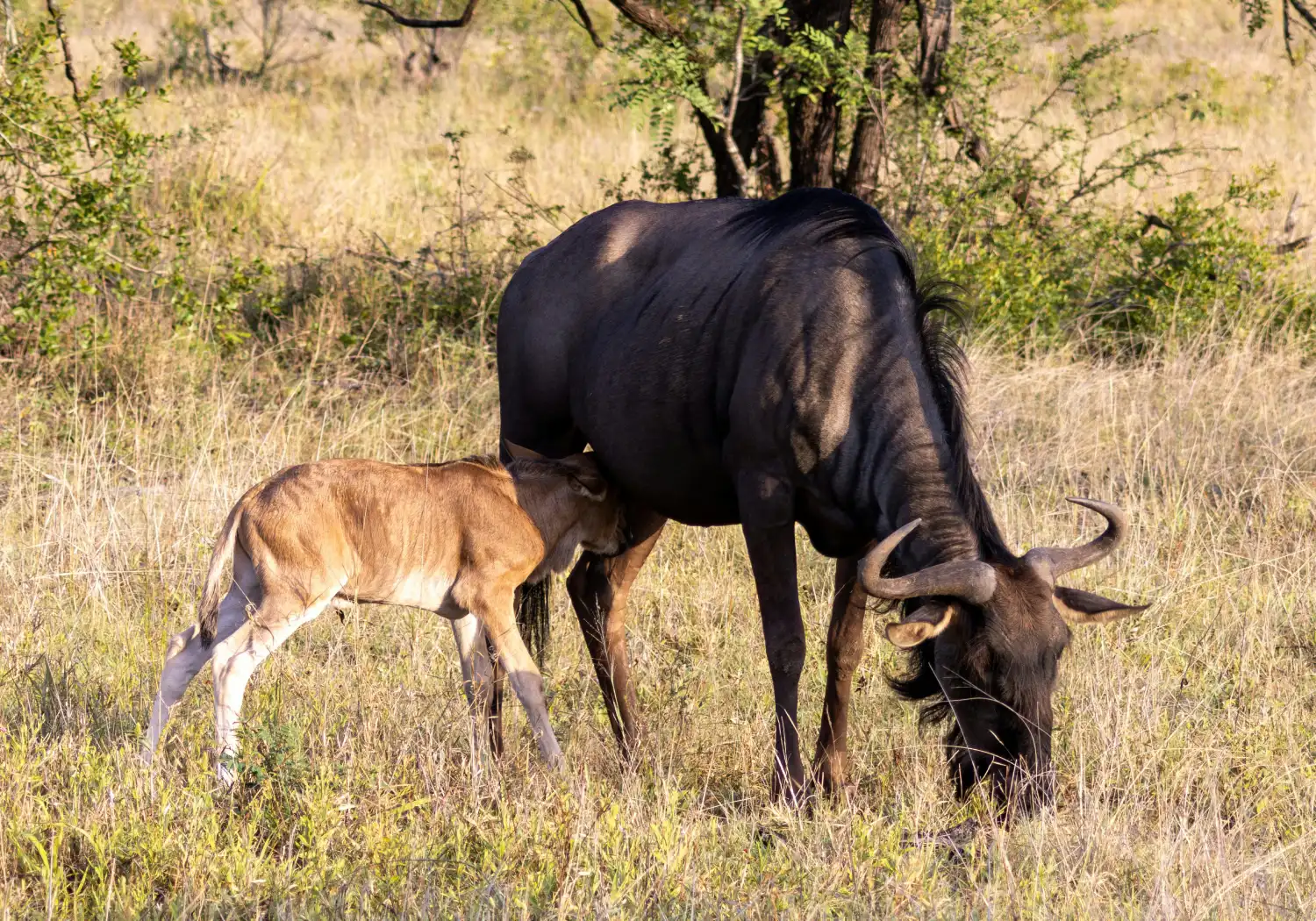
Newborn animals face several challenges during their first days. They must learn to stand, move, feed, and remain close to their mothers. Mothers protect their young while helping them find food and water. These early interactions create rewarding wildlife viewing opportunities.
Predators also respond to the presence of young herbivores. Lions, cheetahs, leopards, and hyenas may hunt around herds. However, predator encounters are never guaranteed. A responsible safari focuses on natural behaviour without disturbing animals.
##When Is Calving Season in Kenya?
Kenya does not have one fixed calving season for every species. Birth patterns depend on the animal, habitat, and seasonal conditions. The best travel dates therefore depend on the wildlife you hope to see.
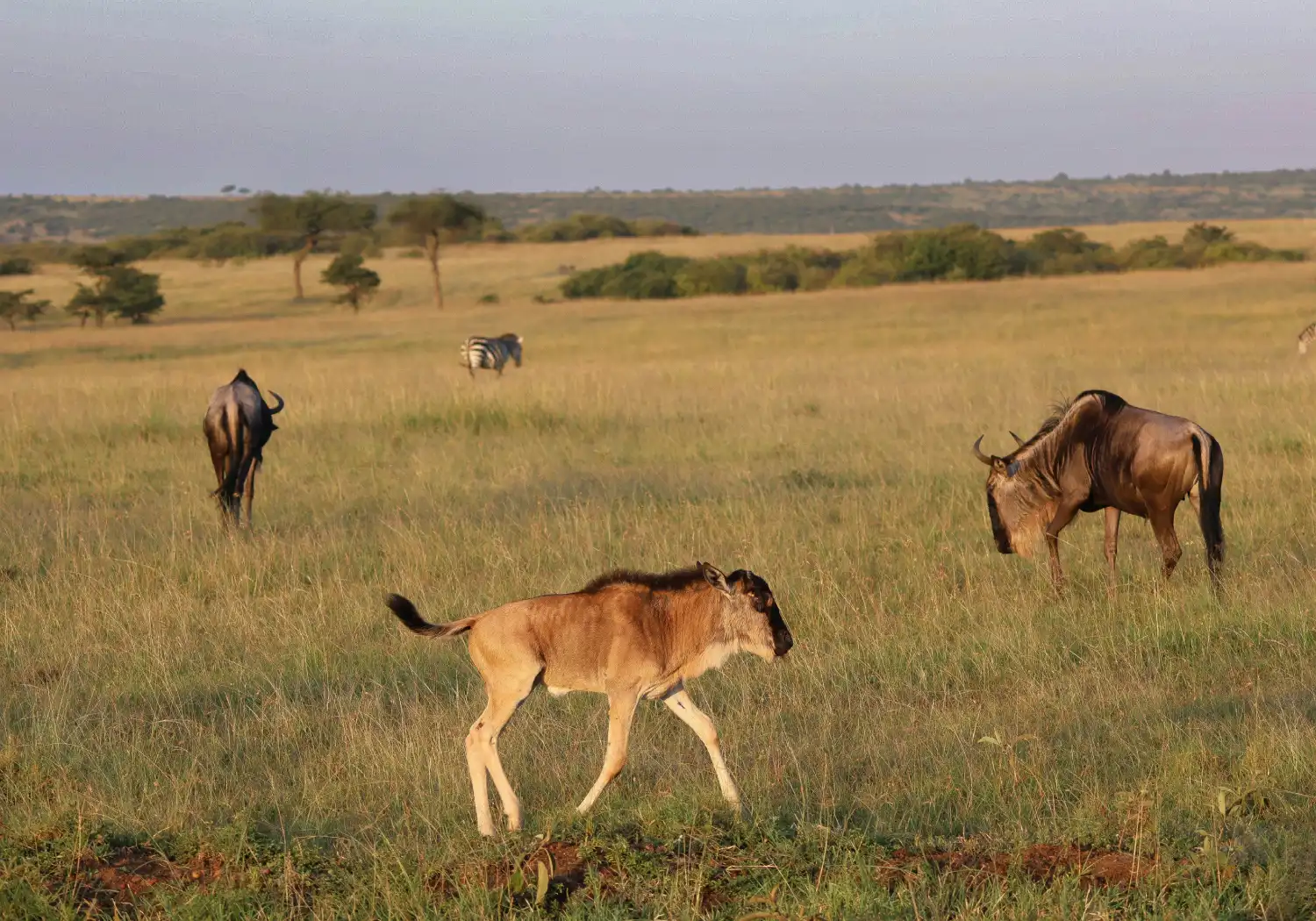
The famous wildebeest calving season usually occurs from January to March in Tanzania's southern Serengeti. This timing matters because many travellers confuse wildebeest calving with the Great Migration's arrival in Kenya.
The Maasai Mara becomes especially famous for migration herds later in the year. Their movements depend on rainfall and grazing conditions, so exact arrival dates vary annually.
Other Kenyan destinations support newborn wildlife during different periods. Laikipia, Ol Pejeta Conservancy, and Amboseli provide opportunities to observe young animals throughout the year, depending on species and local conditions.
Period | Wildlife Viewing Considerations |
|---|---|
January–March | Main wildebeest calving period in Tanzania's southern Serengeti; Kenyan parks may have other newborn wildlife |
June–October | Often a popular period for wildlife viewing in Kenya, including the Maasai Mara migration season |
November–December | Seasonal rainfall can change grazing conditions and wildlife movements |
Throughout the year | Various Kenyan species give birth at different times |
These are broad seasonal patterns, not guarantees of sightings. Check current wildlife movements before confirming your safari.
Where Can You See Calving Season in Kenya?
Masai Mara National Reserve
The Masai Mara National Reserve supports large herbivore populations and predators across its open grasslands. Visitors may encounter young wildebeest, zebras, gazelles, and other mammals, depending on the season.
The Mara forms part of the wider Serengeti–Mara ecosystem. Wildebeest and zebra herds move between Tanzania and Kenya as grazing conditions change. If your main goal is to see newborn wildebeest, confirm their location before booking.
Laikipia and Ol Pejeta Conservancy
Laikipia combines open plains, woodland, and riverine habitats. These landscapes support elephants, giraffes, zebras, antelopes, and several predator species.
Ol Pejeta Conservancy adds an important conservation dimension to a safari. It protects rhinos and supports diverse wildlife populations. Travellers may encounter young herbivores during game drives, although sightings depend on current conditions.
Laikipia also suits visitors who want to explore beyond the Masai Mara. You can combine Ol Pejeta with Samburu or other northern Kenya destinations for a varied itinerary.
Amboseli National Park
Amboseli National Park is famous for its elephants and views of Mount Kilimanjaro. Its swamps and grasslands attract wildlife across a landscape shaped by seasonal water availability.
Visitors may see elephant calves, young zebras, buffaloes, and antelopes. Sightings depend on animal movements and the time of year. Amboseli also combines well with Tsavo West and Tsavo East on a southern Kenya safari.
Which Animals Give Birth During Calving Season?
Several Kenyan wildlife species produce young during different periods of the year. Each species follows its own breeding cycle and survival strategy.
Animal | What You May Observe |
|---|---|
Wildebeest | Newborn calves learning to stand and follow the herd |
Foals staying close to their mothers | |
Antelopes | Young animals feeding or resting near adults |
Elephants | Calves travelling with protective family groups |
Buffaloes | Young calves moving with herd members |
Wildebeest attract attention because their calves must move quickly after birth. Zebras also develop mobility early, helping them remain close to their mothers. Antelope species use different strategies to protect their young, including concealment and close maternal care.
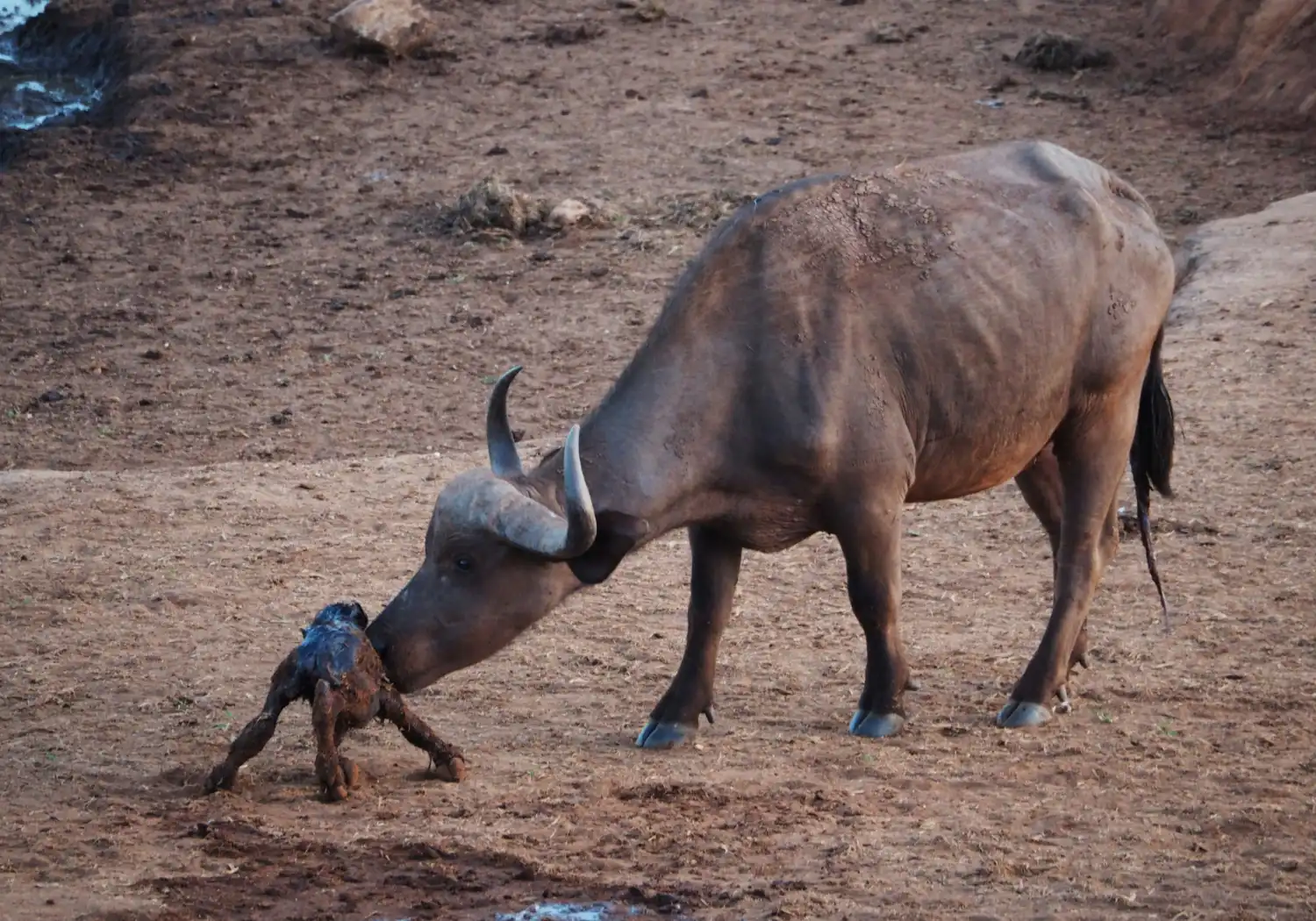
Elephant calves create particularly memorable sightings. They remain close to their mothers and other family members, who help protect them. Buffalo calves also benefit from the safety of the herd.
Your guide can explain these behaviours during game drives. Keep a respectful distance, avoid loud noises, and never ask your driver to separate a mother from her young.
Why Is Calving Season Special for Wildlife Photography?
Calving season creates opportunities to photograph wildlife behaviour rather than just individual animals. You might capture a newborn calf beside its mother, a zebra foal following the herd, or an elephant family moving through the grasslands.
Early morning and late afternoon often provide softer light for photography. These periods can also bring cooler temperatures and active wildlife. A longer game drive gives you more time to observe animals before taking photographs.
Tell your guide what interests you most. You may prefer family interactions, animal portraits, or wider landscape images. Patience often produces better results than rushing between sightings.
Always place animal welfare before photography. Do not pressure your guide to approach too closely or interrupt natural behaviour. Respectful viewing protects wildlife and creates a better safari experience.
What Should You Pack for a Calving Season Safari?
Pack comfortable clothing for cool mornings and warmer afternoons. Neutral colours work well for game drives, while layers help you adjust to changing temperatures. Closed shoes, sunscreen, sunglasses, and a hat also help during outdoor activities.
Bring binoculars if you want to observe animals at a distance. Photographers should pack spare batteries, charging cables, and enough memory space. A reusable water bottle and light rain jacket can also prove useful.
If your itinerary includes domestic flights, check luggage restrictions before departure. Some safari aircraft impose strict weight limits and require soft-sided bags.
How Can You Plan a Calving Season Safari?
Start by choosing the animals you most want to see. If newborn wildebeest are your priority, remember that their main calving period usually occurs in Tanzania's southern Serengeti. For a Kenya-only safari, the Maasai Mara, Laikipia, Ol Pejeta, and Amboseli each provide different wildlife opportunities.
Next, select dates and accommodation that match your budget and travel style. Ask your safari operator about recent sightings and seasonal conditions. Allow enough time for game drives instead of packing too many destinations into a short itinerary.
Olengugih Safaris can help plan a tailor-made Kenya safari around your dates, preferred destinations, accommodation, and wildlife interests. A flexible itinerary helps you respond to natural conditions while enjoying Kenya's varied landscapes.
Frequently Asked Questions
1. When is calving season in Kenya?
There is no single calving season for all Kenyan wildlife. The famous wildebeest calving period usually runs from January to March in Tanzania's southern Serengeti.
2. Can I see newborn wildebeest in the Maasai Mara?
It is possible, depending on herd movements. However, the main wildebeest calving period usually occurs in Tanzania, so check current herd locations before booking.
3. Which Kenyan destination is best for seeing newborn animals?
The Maasai Mara, Laikipia, Ol Pejeta Conservancy, and Amboseli all support diverse wildlife. The best choice depends on your travel dates and target species.
4. Is calving season good for photography?
Yes. It creates opportunities to photograph newborn animals, maternal care, and herd behaviour. Always maintain a safe distance and avoid disturbing wildlife.
5. Can I combine calving season with other safari experiences?
Yes. You can combine wildlife viewing in the Maasai Mara or Laikipia with destinations such as Samburu, Amboseli, or Tsavo, depending on your schedule.
Conclusion
Calving season in Kenya gives travellers a closer look at wildlife families, newborn animals, and the challenges of survival in the wild. The Maasai Mara, Laikipia, Ol Pejeta, and Amboseli each create different opportunities for wildlife viewing. However, the best destination depends on your target species and travel dates. Plan with flexibility, travel with a knowledgeable guide, and allow time to observe animals responsibly. These choices can make your Kenya safari more rewarding.