What to Pack for a Horse Riding Safari in Kenya
The horse riding safari packing list starts with boots, breeches, a helmet, neutral shirts and a warm layer. Add sun protection, a camera and a soft duffel bag. Pack light, because space on safari vehicles and light aircraft is limited.
Last updated: 18 November 2026
Horse riding safari packing list at a glance
- Riding trousers: 2 to 3 pairs of comfortable, well-fitting breeches or jodhpurs.
- Footwear: riding boots with a small heel, or short boots with half chaps.
- Head: a certified riding helmet. Ask us whether we can lend one.
- Tops: long-sleeved shirts in khaki, green or brown.
- Warmth: a fleece and a light jacket for cool mornings and evenings.
- Sun: high-factor sunscreen, sunglasses and SPF lip balm.
- Bag: a soft duffel bag, not a hard suitcase.
- Camera: a small camera or phone that fits in a saddle bag.
- Best months: January to February, and July to October for dry riding.
Horse riding safari packing list: riding kit
Comfort in the saddle matters most. Choose clothes that do not rub after several hours of riding.
Item | Quantity | Why you need it |
|---|---|---|
Riding breeches or jodhpurs | 2 to 3 pairs | Prevent rubbing on long rides |
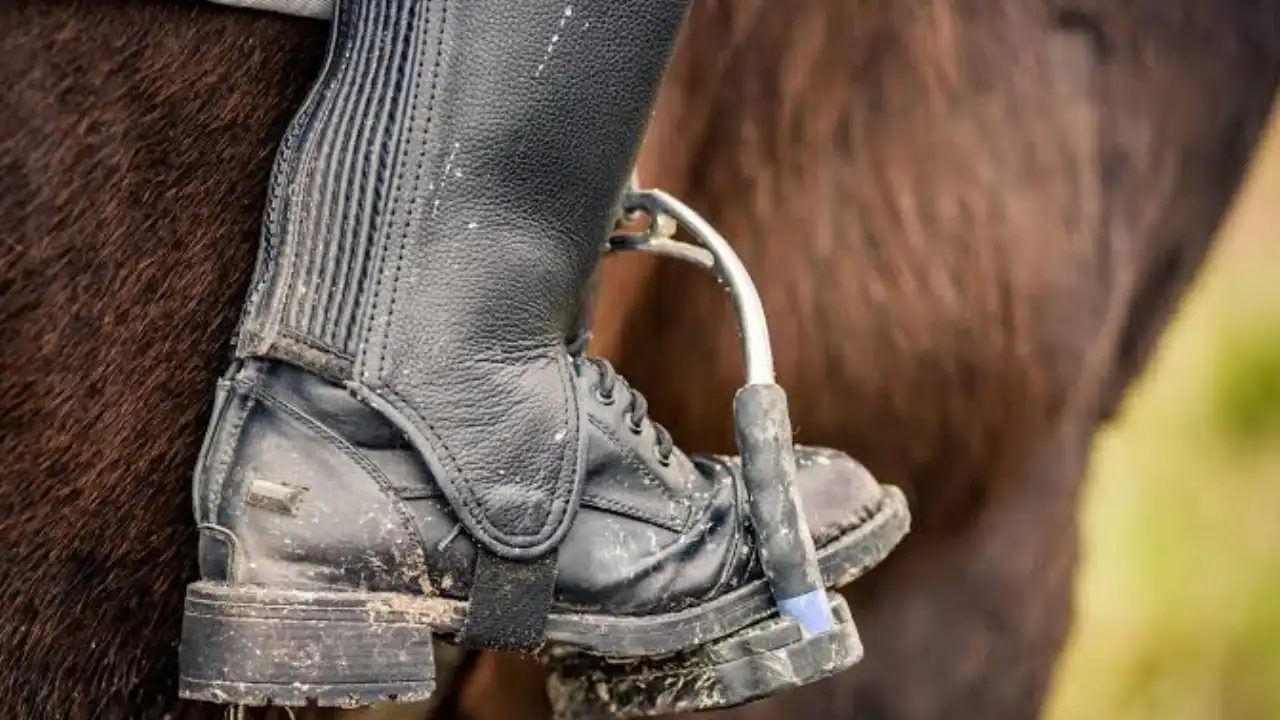
Riding boots with a small heel | 1 pair | Keeps your foot safe in the stirrup |
Half chaps, if wearing short boots | 1 pair | Protect your lower legs |
Certified riding helmet | 1 | Essential for safety |
Riding gloves | 1 pair | Protect your hands from the reins |
Long-sleeved shirts, neutral colours | 3 | Sun protection that blends in |
Sports bra or supportive top | 2 | Comfort during trotting and cantering |
Fleece or light jacket | 1 | Cool mornings and evenings |
Light rain jacket | 1 | Sudden showers |
Wide-brimmed hat or cap | 1 | For breaks and camp |
Bandana or buff | 1 | Dust and sun protection |
Choose neutral colours
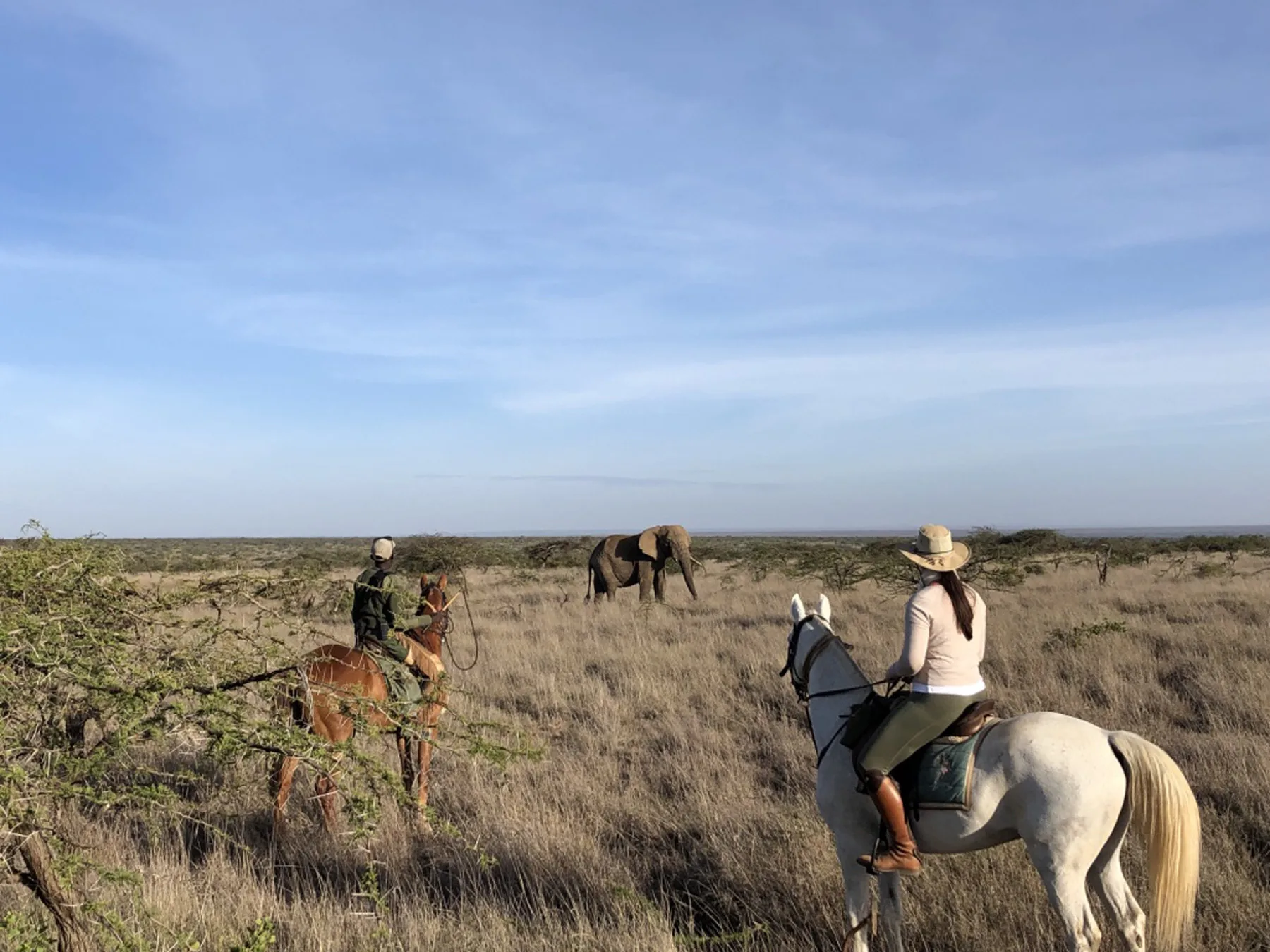
Wear khaki, olive, tan and brown. Neutral colours help you blend in with the bush. Avoid bright white, red and blue. Wildlife notices them first, and the horses can react to them.
Boots and helmets
Wear boots you have already broken in. New boots cause blisters. Check whether your operator provides helmets. If you have your own certified helmet, bring it.
Camp, health, camera and documents checklist
Camp and evenings
- Comfortable trousers and a warm top for evenings
- Closed shoes or sandals for camp
- A warm hat and scarf for cold mornings
- A swimsuit if your camp has a pool
- A small torch or headlamp
- A power bank and a universal plug adapter
Health and comfort
- High-factor sunscreen and SPF lip balm
- Insect repellent
- Anti-chafe balm or cream to prevent saddle sores
- Blister plasters and pain relief
- Personal medication and a small first-aid kit
- Hand sanitiser and wet wipes
- Moisturiser, because the air is dry and dusty
Camera and binoculars
- A small camera or phone you can carry in a saddle bag
- A phone strap or secure pouch
- Spare battery and memory card
- Compact binoculars. Ask us if we provide them.
Keep your camera on a strap. Do not hold it while the horse is moving.
Documents and money
- Passport and visa or eTA
- Travel insurance that covers horse riding and safari activities
- A copy of your riding experience and weight details if requested
- Cash in Kenyan shillings for tips
Horse riding is often excluded from standard travel insurance. Check your policy before you book.
Packing by season, bag limits and what to leave at home
Dry months: January to February, July to October
Days are warm and dusty. Mornings and evenings are cool. Pack breathable shirts, a fleece and strong sun protection. A light rain jacket is still wise.
Wet months: March to May, November
Rain showers and mud are common. Pack a good waterproof jacket and quick-dry riding trousers. Bring spare socks and gloves. Use dry bags for your camera and phone.
Bag limits
Use a soft duffel bag. It fits vehicles and light aircraft better than a hard case. Airstrips often limit luggage to about 15 kg. Confirm the exact limit with us before you travel.
Leave these at home
- Hard suitcases
- Bright white, red or blue clothing
- Strong perfume, which attracts insects
- Jewellery and valuables
- Heavy camera lenses you cannot carry in the saddle
- Brand-new boots you have not broken in
Fitness and weight
Horse riding safaris suit riders who can walk, trot and canter with confidence. Operators often set a rider weight limit for the horses. Ask about it when you book.
Frequently asked questions
What should I pack for a horse riding safari in Kenya?
Pack riding trousers, riding boots or half chaps, a helmet, neutral shirts, a fleece and sun protection. Add a soft duffel bag and a small camera.
What should I wear on a horse riding safari?
Wear comfortable breeches, boots, a long-sleeved shirt in neutral colours and a hat. Layer up for cool mornings.
Do I need to bring my own riding helmet?
Check with us when you book. Some operators lend helmets. A certified helmet that fits well is safest.
What colours should I avoid on a horse riding safari?
Avoid bright white, red and blue. Choose khaki, olive, tan and brown. These blend in and do not unsettle the horses.
What bag should I use?
Use a soft duffel bag. Hard suitcases do not fit vehicles and small aircraft. Keep luggage near 15 kg.
Can beginners go on a horse riding safari?
You should ride with confidence at a walk, trot and canter. Tell us your experience when you book. We match you to a suitable horse.
Will I see wildlife from horseback?
Yes. Zebra, giraffe and antelope often let horses approach closely. Your guide keeps a safe distance from dangerous animals.
Do I need travel insurance for horse riding?
Yes. Many standard policies exclude horse riding. Check that yours covers riding and safari activities.
How do I prevent saddle sores?
Wear well-fitting breeches without thick seams. Use anti-chafe balm. Break in your boots and ride before you travel.
Can Olengugih Safaris help me plan a horse riding safari?
Yes. Tell us your riding level and dates. We will advise on kit, weight limits and the best months.
Plan your horse riding safari with Olengugih Safaris
Tell us your riding level, your dates and your budget. We will advise on the right place, the best months and exactly what to pack. We send a full packing list when you book.
Guests can read reviews from other travellers on GetYourGuide, SafariBookings and Tripadvisor.
Sources
- Kenya Wildlife Service: national park and reserve information
- Kenya Tourism Board: visitor information and entry requirements
- Travel insurance providers: guidance on horse riding exclusions