
Horseback Safaris in Kenya: Complete Guide for 2026, 2027 & 2028
Kenya has a way of changing how you think about a safari once you leave the road behind. A horseback safari in Kenya puts you on a horse and into landscapes where wildlife, open country, and long-distance views become part of the journey. Instead of sitting behind a vehicle window, you move at the pace of the horse, follow tracks across the ground, cross open plains, and sometimes ride through places where vehicles cannot go.
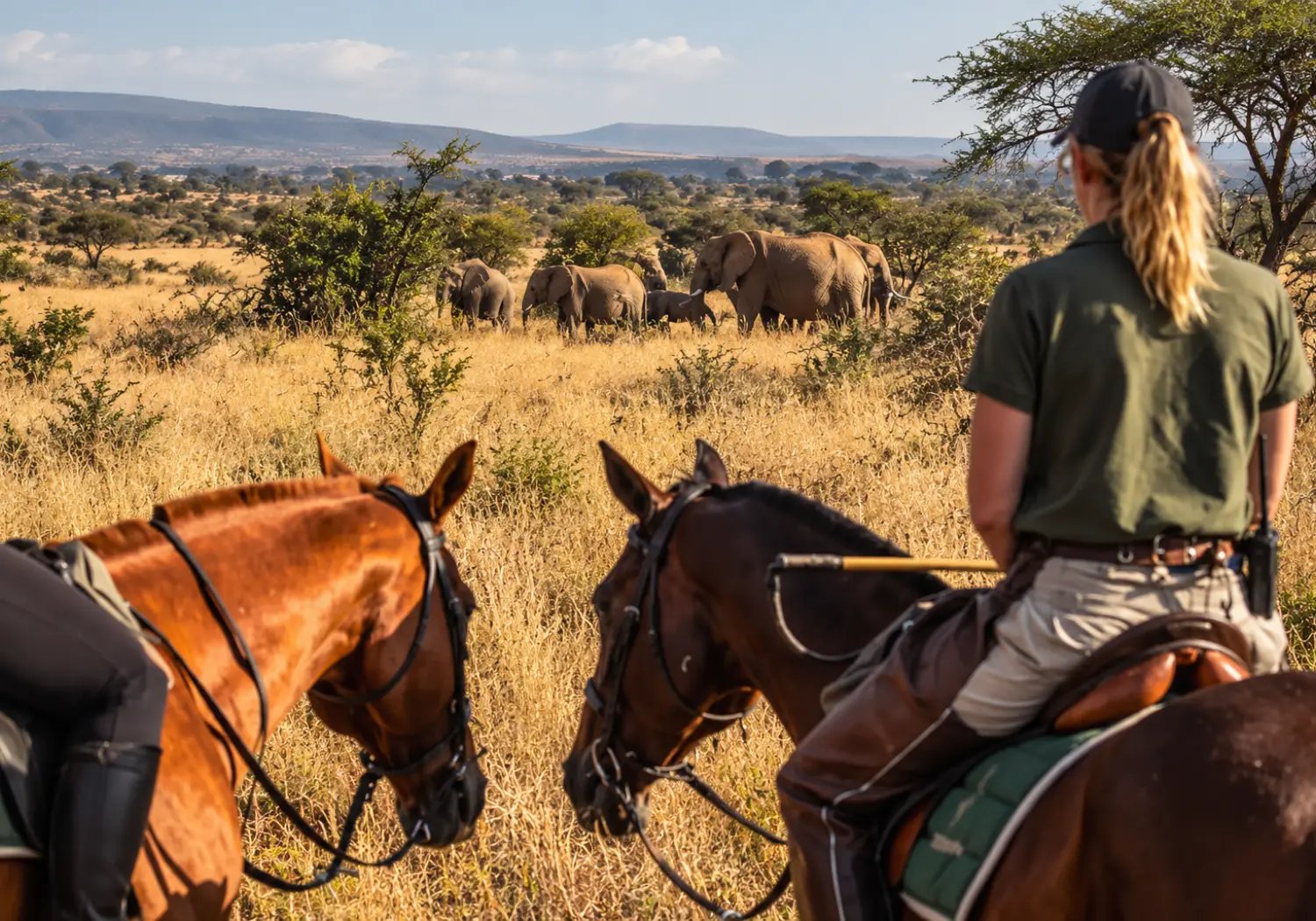
That difference matters. A game drive can take you deep into wildlife country and cover considerable ground in a few hours, while riding gives you a much more intimate connection with the landscape. You hear hoofbeats, feel the terrain beneath you, and become more aware of the wind, birds, vegetation, and animal movements around you. When the circumstances allow, you may ride alongside wildlife without the engine noise that usually accompanies a conventional safari.
Kenya has several regions where operators arrange horse riding safaris, from the famous Maasai Mara to the wildlife-rich ranches and conservancies of Laikipia. Some itineraries last a few hours, while others run for several days and move between camps or wilderness areas. You can also combine riding with traditional game drives, walking safaris, cultural experiences, or a longer Kenya safari.
This 2026/2027/2028 guide explains how horseback safaris work, where you can ride, what you might see, what experience you need, what to pack, when to go, and how to choose an itinerary that matches your riding ability.
What Is a Horseback Safari in Kenya?
A horseback safari takes the basic idea of wildlife viewing and changes the way you move through the wilderness. Instead of travelling in a safari vehicle, you ride with a guide or riding team through designated areas where horseback activities operate. Depending on the destination and itinerary, the ride may follow wildlife trails, open grasslands, woodland tracks, river areas, ranchland, or conservancy terrain.
The experience varies considerably between operators. A short ride might last a couple of hours and suit someone who wants to add something different to a conventional safari. A longer riding safari can become the central focus of a trip, with several hours in the saddle each day and overnight stays at camps or lodges along the route.
Wildlife viewing from horseback requires a different mindset. You should not expect the same close-up sightings that a vehicle can sometimes provide. Instead, the attraction lies in moving quietly through the landscape and observing animals in a more natural setting. Horses also introduce an interesting dynamic: many wild animals recognise horses as part of the environment, but guides still maintain appropriate distances and carefully manage every encounter.
The best horseback safaris therefore combine riding, wildlife, wilderness, and responsible guiding rather than simply treating horse riding as another tourist activity.
How Does a Horseback Safari Differ From a Game Drive?
The biggest difference comes down to how you experience the landscape. A safari vehicle gives you speed, stability, shade, and excellent visibility. You can cover a large area, carry camera equipment easily, and spend considerable time watching predators or other wildlife from a safe vehicle.
A horse takes you at a slower pace. You become more aware of the ground, vegetation, sounds, and movement around you. You also need to participate actively in the experience. Your posture, confidence, communication with the horse, and ability to follow the guide all matter.
Neither option replaces the other. In fact, combining the two often creates a stronger safari. You can use game drives to search for species that require longer-distance travel and then dedicate part of your itinerary to riding through landscapes where horses can travel naturally.
Where Can You Go on a Horseback Safari in Kenya?
Kenya has several destinations where horseback safaris form part of genuine wildlife experiences rather than simple recreational rides. The strongest choices include Laikipia, the Masai Mara ecosystem, and selected wilderness areas in northern Kenya. Each destination has its own terrain, wildlife, riding style, and rules, so choosing the right location can make a major difference to your safari.
Maasai Mara Horseback Safaris
The Maasai Mara ecosystem provides an exceptional setting for riding, particularly in the private and community conservancies surrounding the national reserve. Places such as Olare Motorogi Conservancy, Naboisho Conservancy, and Ol Kinyei Conservancy can support horseback activities through selected operators and safari properties.
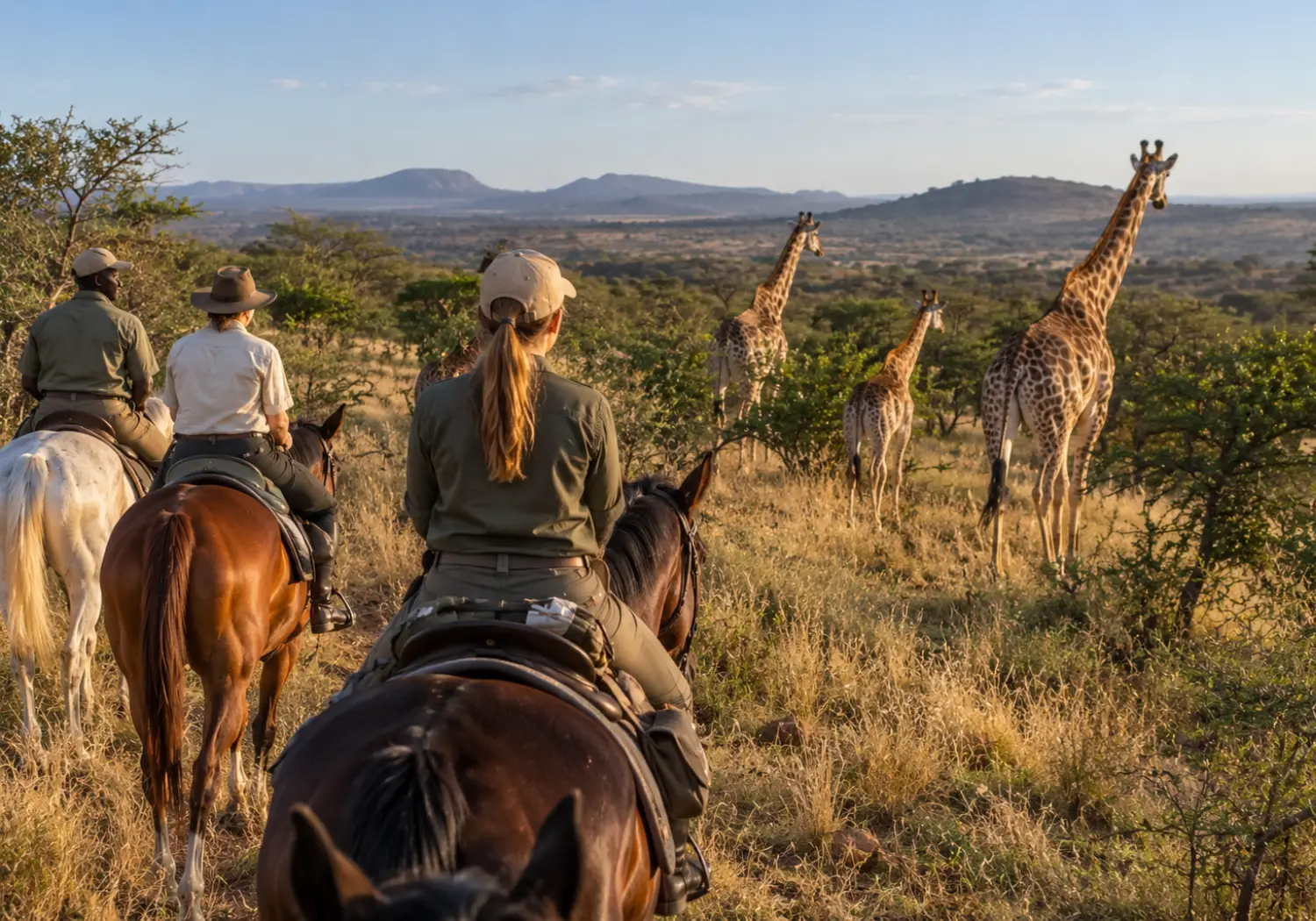
Riding across the Mara's open grasslands creates a very different safari rhythm from travelling by vehicle. You move quietly through the landscape, follow natural trails, and may encounter zebras, giraffes, wildebeest, antelopes, and other plains wildlife along the way. Longer riding safaris can also link wilderness camps and create a more immersive journey through the ecosystem. Always confirm the exact conservancy and riding route before booking because horseback access varies between properties.
Laikipia Horseback Safaris
Laikipia gives riders an impressive choice of private ranches and conservancies. Sosian Ranch, Borana Conservancy, Lewa Wildlife Conservancy, and Ol Jogi Wildlife Conservancy are notable places to investigate for specialist riding experiences.
Sosian Ranch works particularly well for travellers who want to explore Laikipia on horseback, with expansive ranch country and wildlife creating a natural backdrop for longer rides. Borana and Lewa add strong conservation elements, while Ol Jogi provides another private wilderness setting.
Laikipia particularly suits experienced riders and multi-day safari travellers who want horses to play a central role in exploring Kenya's wilderness.
Which Wildlife Can You See on Horseback?
A horseback safari can produce encounters with a wide variety of African wildlife, but no responsible operator should guarantee specific sightings. The animals you see depend on the location, season, weather, habitat, recent wildlife movements, and simply the luck of the day.
Depending on where you ride, you may encounter zebras, giraffes, elephants, buffaloes, antelopes, warthogs, wildebeest, and other plains game. Predators such as lions and leopards also inhabit many of Kenya's riding destinations, although guides manage encounters carefully and may change direction or maintain considerable distance when predators appear.
Birdlife adds another layer to the experience. From horseback, you often have more time to notice species that you might overlook during a fast-moving game drive. Raptors circling overhead, ground birds moving through grass, and colourful species along rivers and woodland edges can become part of the ride.
Can You Ride Close to Wild Animals?
This question deserves a careful answer: sometimes, but never on demand and never without experienced guidance.
Horses behave differently from vehicles, and some wildlife may tolerate their presence more readily than the approach of a vehicle. That does not mean riders can simply approach animals at will. Elephants, buffaloes, predators, and other large animals can react unpredictably, while even apparently relaxed wildlife needs space.
An experienced guide reads animal behaviour, wind direction, terrain, and the horses' reactions before deciding how to proceed. The goal should always remain a respectful wildlife encounter rather than getting as close as possible for a photograph.
That approach creates better experiences anyway. Watching a herd from a sensible distance while your horse stands quietly beneath you can feel far more memorable than chasing an animal for a close-up image.
What Is a Typical Day on a Horseback Safari?
A riding day starts according to the itinerary, season, and local conditions. Early mornings often work particularly well because temperatures remain comfortable and wildlife tends to show more activity. After breakfast, riders meet the guide, prepare the horses, check equipment, and set out into the landscape.
The pace changes throughout the ride. You might walk through a wooded section, trot across suitable open ground, or slow down when approaching wildlife. The guide controls the overall pace and decides where the group can safely move faster. Riders should never assume that a faster pace automatically creates a better safari.
Longer rides can include a picnic breakfast or lunch in the bush, depending on the operator and location. Afternoon riding may continue after a rest, while shorter excursions can return to camp before the hottest part of the day.
A multi-day itinerary creates an entirely different rhythm. Instead of returning to the same accommodation every evening, you may ride between camps and wilderness areas, carrying only what you need while a support team handles luggage and camp logistics.
Do You Need Horse-Riding Experience?
You do not necessarily need extensive riding experience for a short, guided horseback safari. Many operators cater to beginners and intermediate riders, particularly for shorter excursions. The important thing is to be honest about your experience before booking.
A beginner should not book a demanding multi-day riding expedition simply because they like the idea of an adventurous safari. Long hours in the saddle can become physically demanding, and riders need enough confidence to manage basic instructions, balance, mounting, stopping, and changes in pace.
Experienced riders have more choices. If you regularly ride at walk, trot, and canter and feel comfortable outdoors, you can consider longer itineraries that include more varied terrain and extended riding days.
Before booking, tell the operator your riding ability, previous experience, preferred pace, fitness level, and any physical limitations. A reputable operator can then recommend an appropriate horse and itinerary rather than placing you in a group that moves at the wrong pace for your ability.
What Are the Best Horseback Safaris in Kenya for Beginners?
Beginners should look for a short, guided ride with a small group, experienced guides, calm horses, and straightforward terrain. A two-hour introduction can tell you far more about whether you enjoy riding in a safari environment than booking a week-long expedition immediately.
Laikipia and the Maasai Mara region have operators with different levels of riding experience and safari formats, so the important factor isn't simply choosing a famous destination. Check the riding programme itself. Ask how long you spend in the saddle, whether beginners and experienced riders share the same group, what pace the horses normally travel, and whether guides can adjust the itinerary.
First-time riders should also remember that safari horses may behave differently from horses at a riding school. They live and work outdoors, respond to wildlife and other horses, and require riders to remain attentive.
If you can comfortably ride and follow instructions, a beginner-friendly safari can become one of the highlights of your Kenya trip.
What Are Multi-Day Horse Riding Safaris Like?
A multi-day horseback safari in Kenya feels much closer to an expedition than a conventional excursion. You spend several hours riding each day, travel through changing landscapes, and often sleep in different camps along the route.
The experience requires preparation. Saddle comfort matters, footwear matters, sun protection matters, and your fitness becomes more important as the days progress. Even confident riders can underestimate how tiring repeated hours in the saddle become.
The reward comes from continuity. You don't simply ride for an hour and return to a lodge; you follow a route through the wilderness and watch the landscape change around you. Camps may appear in remote settings where the evening feels completely detached from everyday life.
Laikipia particularly suits this style because of its network of conservation landscapes and riding operations. The exact route, camp arrangements, riding distances, and wildlife opportunities vary considerably, so travellers should review the itinerary carefully before booking.
Can You Combine Horseback Safaris With Game Drives?
Yes, and for many travellers, combining horseback riding with game drives creates the best overall Kenya safari.
A game drive allows you to cover greater distances and search for wildlife across a larger area. A horse ride slows everything down and changes your relationship with the landscape. You may notice tracks, birds, vegetation, and subtle movements that feel less obvious from a vehicle.
A five- to seven-night itinerary, for example, could include several nights at a wildlife conservancy with game drives and then add horseback excursions. More experienced riders could instead spend several days on a dedicated riding safari before joining a conventional safari elsewhere.
The combination also makes sense for families or groups with different interests. Someone who doesn't ride can participate in game drives while experienced riders spend part of the day on horseback.
What Is the Best Time for a Horseback Safari in Kenya?
Kenya supports safari travel throughout the year, but weather and ground conditions can strongly influence horseback riding. Drier periods generally make trails easier to navigate and can create comfortable riding conditions, although temperatures can become high during the day.
In many safari regions, the broad dry periods from June to October and January to February appeal to travellers because roads and trails often remain more manageable. Wildlife can also become easier to spot around remaining water sources.
The March to May long rains can produce lush scenery and dramatic landscapes, but heavy rain may affect riding routes and ground conditions. The October to December short rains can similarly change trail conditions while refreshing the landscape.
There is no single perfect month for every horseback safari. The best time depends on the destination, operator, your tolerance for heat or rain, and whether wildlife viewing or riding conditions matter most to you.
For 2026, 2027, and 2028 travel, check the specific conservancy and operator's seasonal programme before confirming dates because riding routes and camp operations can vary.
How Much Does a Horseback Safari in Kenya Cost?
There isn't one standard price for a horseback safari in Kenya. Cost depends on whether you book a short ride or multi-day expedition, the destination, accommodation category, group size, horse programme, transfers, meals, and whether you choose a private itinerary.
A short riding excursion can cost considerably less than a multi-day safari that includes accommodation, guides, support staff, meals, transfers, and horses throughout the trip. Private departures naturally tend to cost more than shared experiences.
When comparing prices, look beyond the headline figure. Ask whether the package includes accommodation, meals, riding equipment, guide services, transfers, park or conservancy fees, and activities outside the riding programme.
Rates also change between seasons and operators. For 2026–2028 planning, request a current quotation rather than relying on an old online price.
What Should You Wear and Pack?
Your packing list should reflect the fact that you're travelling through Kenya while also spending substantial time in the saddle. Lightweight, breathable clothing works well during the day, while a warm layer can prove useful during cool mornings and evenings.
Comfortable riding trousers or jodhpurs can reduce friction during longer rides. Closed riding footwear with an appropriate heel provides better security than ordinary trainers. A well-fitting helmet should form part of the riding equipment, and reputable operators should have appropriate safety arrangements.
You should also carry:
- Sun hat and high-SPF sunscreen
- Sunglasses
- Lightweight long-sleeved shirts
- Reusable water bottle
- Small daypack
- Insect repellent
- Camera or phone
- Personal medication
- Light rain jacket during wetter periods
Avoid overpacking. Safari aircraft often impose luggage restrictions, and long riding itineraries rarely require a large wardrobe.
Is a Horseback Safari Safe?
Horseback safaris can provide a safe and rewarding way to explore Kenya when travellers follow the operator's instructions and choose an experienced, responsible safari company. The environment remains wild, however, so you should never treat a riding safari like an ordinary recreational horse ride.
Wild animals behave unpredictably. Guides therefore control the route, pace, distance from animals, and response to changing conditions. Riders should listen immediately when a guide gives an instruction, particularly around elephants, buffaloes, predators, steep terrain, or unfamiliar horses.
Horse welfare also forms part of safety. Healthy, well-trained horses with appropriate workloads create a better experience for everyone. Ask operators about horse care, rider-to-guide ratios, safety equipment, emergency procedures, and what happens if a rider struggles with the horse or terrain.
Your own preparation matters too. Wear appropriate footwear, use the recommended safety equipment, stay hydrated, and tell your guide about any relevant medical or physical concerns before departure.
Horseback Safari Etiquette and Responsible Travel
Responsible riding starts with respect for both wildlife and horses. Never encourage a guide to approach an animal simply because you want a photograph. A memorable safari doesn't require the closest possible encounter.
Horse welfare deserves equal attention. Ask how often horses work, how they rest, what veterinary support they receive, and how operators manage food and water. Avoid experiences that appear to overload horses, use visibly unhealthy animals, or prioritise tourist demands over animal welfare.
Travellers should also respect local communities and landowners. Many riding experiences operate across conservancies, ranches, or community-managed landscapes, meaning tourism can contribute to conservation and local livelihoods when operators work responsibly.
Keep noise down, follow designated routes, avoid littering, and listen to guides who understand the landscape. The wilderness isn't a backdrop created for tourism; it remains a living ecosystem.
How Do You Choose the Right Horseback Safari?
Start with your riding ability, not the destination name. A confident beginner and an experienced rider need completely different itineraries. Once you understand your own ability, consider the length of the ride, accommodation, terrain, wildlife focus, group size, and overall pace.
Then investigate the operator. Ask for a detailed itinerary rather than relying on a few photographs and marketing phrases. Find out where the ride takes place, how many hours you ride each day, what happens during poor weather, how guides manage wildlife encounters, and what support accompanies multi-day trips.
For longer safaris, ask about luggage transfers, emergency arrangements, horse care, rider limits, and guide experience. If you're travelling with a non-rider, check whether the property can arrange alternative activities.
The right horseback safari should feel exciting without making you uncomfortable. A well-matched itinerary beats the most expensive itinerary every time.
Horseback Safari vs Game Drive: Which Should You Choose?
| Horseback Safari | Game Drive |
|---|---|
| Slower, more immersive pace | Covers large areas efficiently |
| Strong connection with the landscape | Excellent for locating diverse wildlife |
| Requires riding ability for longer trips | Suitable for most travellers |
| Can access certain areas where vehicles don't operate | Better for extended wildlife viewing |
| More physically demanding | Generally less physically demanding |
| Excellent for experienced riders | Excellent for first-time safari travellers |
If wildlife photography and maximising species sightings rank highest on your list, a game drive may suit you better. If you already enjoy riding and want to explore Kenya from a completely different perspective, a horseback safari can become the highlight of your trip.
You don't have to choose only one.
Why Choose a Horseback Safari in Kenya?
A horseback safari changes the rhythm of a Kenyan adventure. You don't simply move between wildlife sightings; you travel through the landscape with the horse's movement setting the pace. The experience can make a familiar safari destination feel completely different.
For experienced riders, a multi-day expedition can provide a genuine sense of adventure. For beginners, even a short guided ride can add variety to a conventional itinerary. Families, couples, photographers, and repeat Kenya visitors can all find different reasons to include riding.
The strongest appeal, however, comes from the relationship between rider, horse, wildlife, and landscape. There is something remarkably simple about crossing an open plain on horseback while giraffes stand in the distance or zebra move across the grassland.
That feeling is difficult to reproduce from the back seat of a safari vehicle.
How Do You Book a Horseback Safari in Kenya?
Start by deciding whether you want a short horseback excursion, a full-day ride, or a multi-day riding safari. Then choose a destination that matches your interests and riding ability. Laikipia works particularly well for dedicated riding itineraries, while the Maasai Mara provides an iconic wildlife setting for riding experiences in suitable conservancy areas.
Once you have chosen the style of safari, contact a reputable operator with your preferred travel dates, group size, riding experience, and accommodation expectations. Ask for the current itinerary and pricing for 2026, 2027, or 2028, rather than assuming today's rates will remain unchanged.
If you're building a wider Kenya safari, Olengugih Safaris can help incorporate horseback riding into a tailor-made itinerary alongside conventional game drives, accommodation, transfers, and other destinations.
Conclusion: Is a Horseback Safari in Kenya Worth It?
A horseback safari in Kenya is worth considering if you want your wildlife adventure to feel more active, personal, and connected to the landscape. It doesn't replace a traditional game drive, and it isn't the right choice for every traveller, but it creates a distinctive way to experience Kenya's wilderness.
For experienced riders, multi-day safaris in Laikipia can provide an exceptional wilderness adventure. Beginners can start with shorter guided rides and build from there. The Maasai Mara and other wildlife areas can also add riding to a broader safari itinerary, subject to local rules and operator arrangements.
The key is choosing an experience that matches your riding ability, physical comfort, travel style, and expectations. Look beyond glossy photographs and ask practical questions about horses, guides, wildlife encounters, safety, routes, accommodation, and conservation.
For 2026, 2027, and 2028, plan early if you have specific dates or want a private riding itinerary. The right horseback safari can turn a Kenya trip from a series of wildlife sightings into something much more memorable: a journey through the wilderness at the pace of a horse.
Frequently Asked Questions About Horseback Safaris in Kenya
1. Can beginners go on horseback safaris in Kenya?
Yes. Several operators cater to beginners, particularly on shorter guided rides. Tell the operator your actual riding experience before booking so they can match you with an appropriate horse, guide, route, and pace.
2. Where is the best place for a horseback safari in Kenya?
Laikipia stands out for dedicated riding safaris because of its conservancies, ranches, wildlife, and opportunities for multi-day riding. The Maasai Mara also provides memorable riding experiences, particularly in suitable conservancy areas.
3. Can you see lions and elephants on horseback?
You can encounter large wildlife during a horseback safari, including elephants and lions, depending on the destination and season. Guides manage these encounters carefully and maintain appropriate distances. Wildlife sightings remain unpredictable.
4. How many days do you need for a horseback safari?
A short ride can last a few hours, while dedicated riding safaris can run for several days. If you're an experienced rider, a three- to five-night itinerary can provide enough time to settle into the rhythm of a multi-day safari without committing to a much longer expedition.
5. Is horseback riding safe in Kenya?
Horseback safaris involve genuine wilderness risks, but reputable operators use experienced guides, trained horses, appropriate safety procedures, and established routes. Follow your guide's instructions, use recommended safety equipment, and choose an itinerary that matches your riding ability.