
Nairobi National Park Safari: Complete Guide for 2026, 2027 & 2028
A Nairobi National Park safari gives you an unusual opportunity to experience Kenya's wildlife without travelling far from the capital. Just beyond Nairobi's busy streets, the park opens into grasslands, wetlands, woodland, and wildlife-rich habitats where lions, rhinos, giraffes, zebras, buffaloes, and numerous bird species roam. That close relationship between city and wilderness gives the safari its distinctive character.
Unlike a long safari that takes you deep into Kenya's countryside, Nairobi National Park allows you to spend several hours focused on wildlife, photography, birdwatching, and conservation. You can choose a half-day game drive for a focused experience or spend most of the day exploring the park at a more relaxed pace. The experience works particularly well for first-time safari travellers, families, photographers, and visitors who want to add wildlife to a Nairobi itinerary.
Nairobi National Park Safari at a Glance
| Quick Fact | Details |
|---|---|
| Location | Nairobi, Kenya, on the southern edge of the city |
| Best For | Wildlife viewing, photography, families, first-time safari travellers, and short safari experiences |
| Main Activities | Game drives, wildlife viewing, photography, birdwatching, and conservation experiences |
| Wildlife | Lions, black rhinos, buffaloes, giraffes, zebras, leopards, cheetahs, hippos, and various antelope species |
| Safari Duration | Half-day or full-day game drives |
| Best Time to Visit | Year-round, with seasonal conditions influencing wildlife viewing and scenery |
| Starting Point | Nairobi and surrounding areas |
| Safari Style | Private or shared game drives, depending on your preferred experience |
What Makes a Nairobi National Park Safari Special?
The biggest attraction of a Nairobi National Park safari comes from its remarkable setting. Nairobi remains close, yet the moment you enter the park, the atmosphere changes. Roads give way to open grasslands and natural habitats, and your attention shifts towards tracks, animal movement, birds, and distant silhouettes across the plains.
That contrast makes Nairobi National Park different from Kenya's more remote safari destinations. You do not need to spend an entire day travelling to reach the wildlife. Instead, you can start your safari from Nairobi and dedicate your available time to exploring the park itself.
The experience also has an important conservation story. The park protects wildlife within a landscape that borders a major and rapidly developing city. That makes every sighting particularly meaningful because it demonstrates the possibility of protecting wildlife habitat alongside urban growth.
Where Is Nairobi National Park?
Nairobi National Park lies on the southern edge of Nairobi, giving visitors convenient access from different parts of the city. Its location makes it practical for travellers staying in Nairobi hotels and those using the capital as the starting point for a wider Kenya safari.
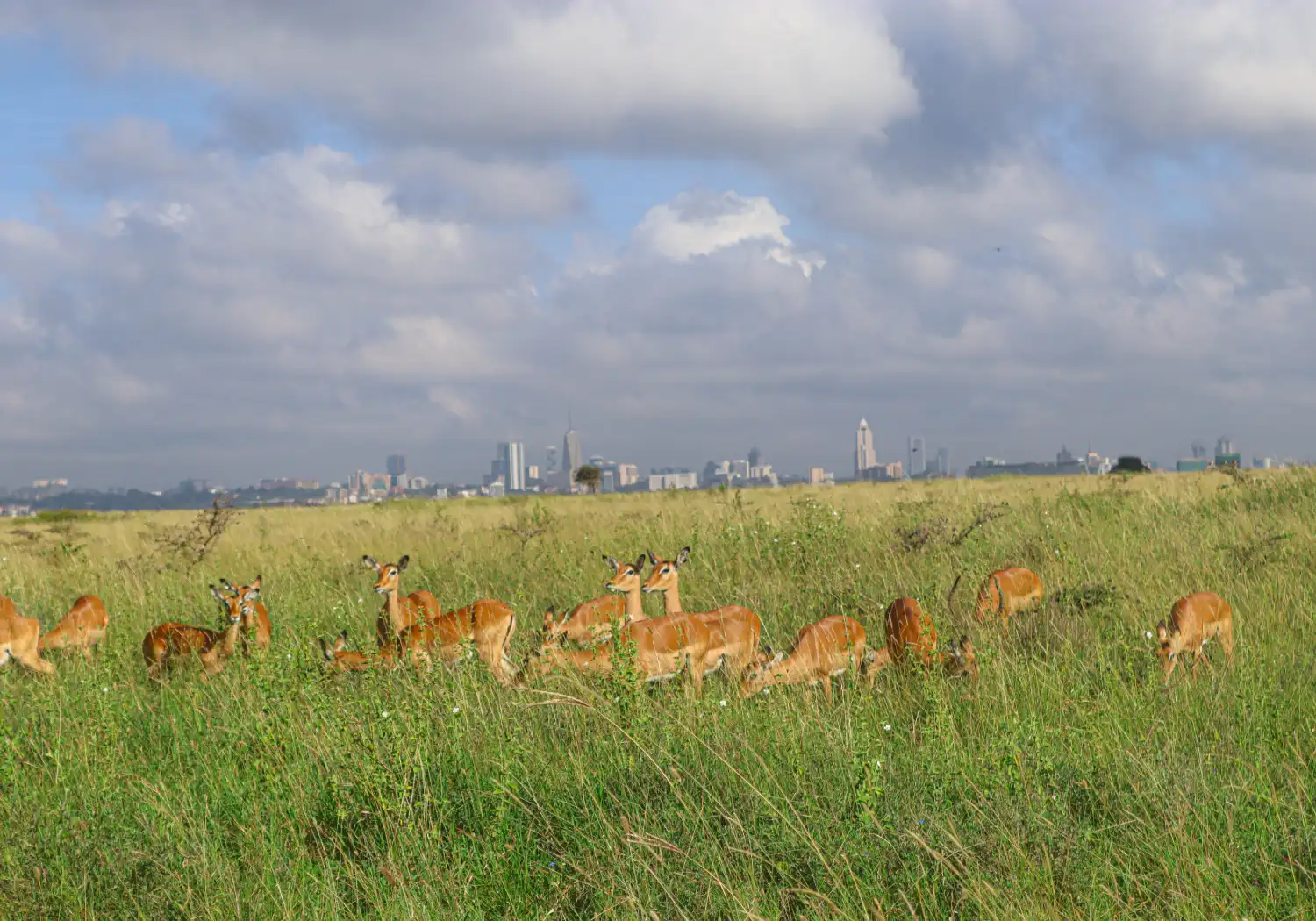
The park's position also creates some fascinating photographic opportunities. In suitable locations, the Nairobi skyline can form part of the wider background while wildlife occupies the foreground. A giraffe, zebra, or other animal moving across the grasslands with the city beyond creates an image that immediately identifies Nairobi's unusual relationship with nature.
The park can also fit naturally into a longer itinerary. Travellers may begin with a Nairobi National Park safari before continuing towards the Maasai Mara, Amboseli, Laikipia, Samburu, or Mount Kenya.
What Wildlife Can You See on a Nairobi National Park Safari?
Wildlife forms the heart of the experience. The park supports a variety of mammals and birds, although sightings depend on animal movements, weather, vegetation, and the time of your visit.
Lions and Other Big Cats
Lions remain among the most anticipated sightings during a game drive. Your guide may search areas where recent sightings occurred, follow tracks, or look for movement around likely resting areas.
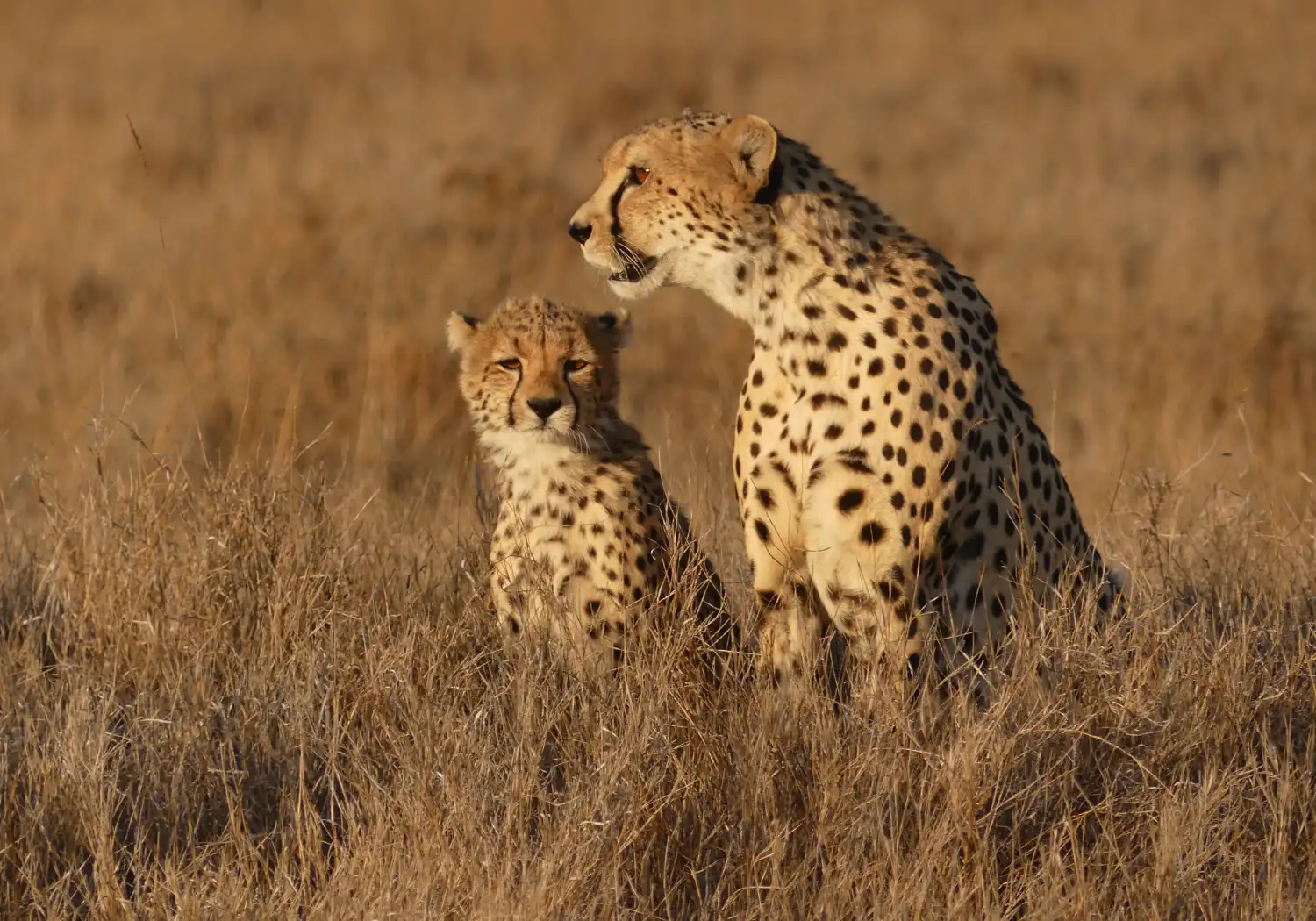
The park also supports leopards and cheetahs, although these predators can prove more difficult to find. Their sightings require patience, observation, and sometimes a little luck.
Black Rhinos
Seeing a black rhino can become one of the defining moments of a Nairobi National Park safari. The park plays an important role in Kenya's rhino conservation efforts, giving these sightings significance beyond photography.
Watching a rhino move through the natural landscape also provides a chance to appreciate why habitat protection remains so important.
Giraffes, Zebras and Buffaloes
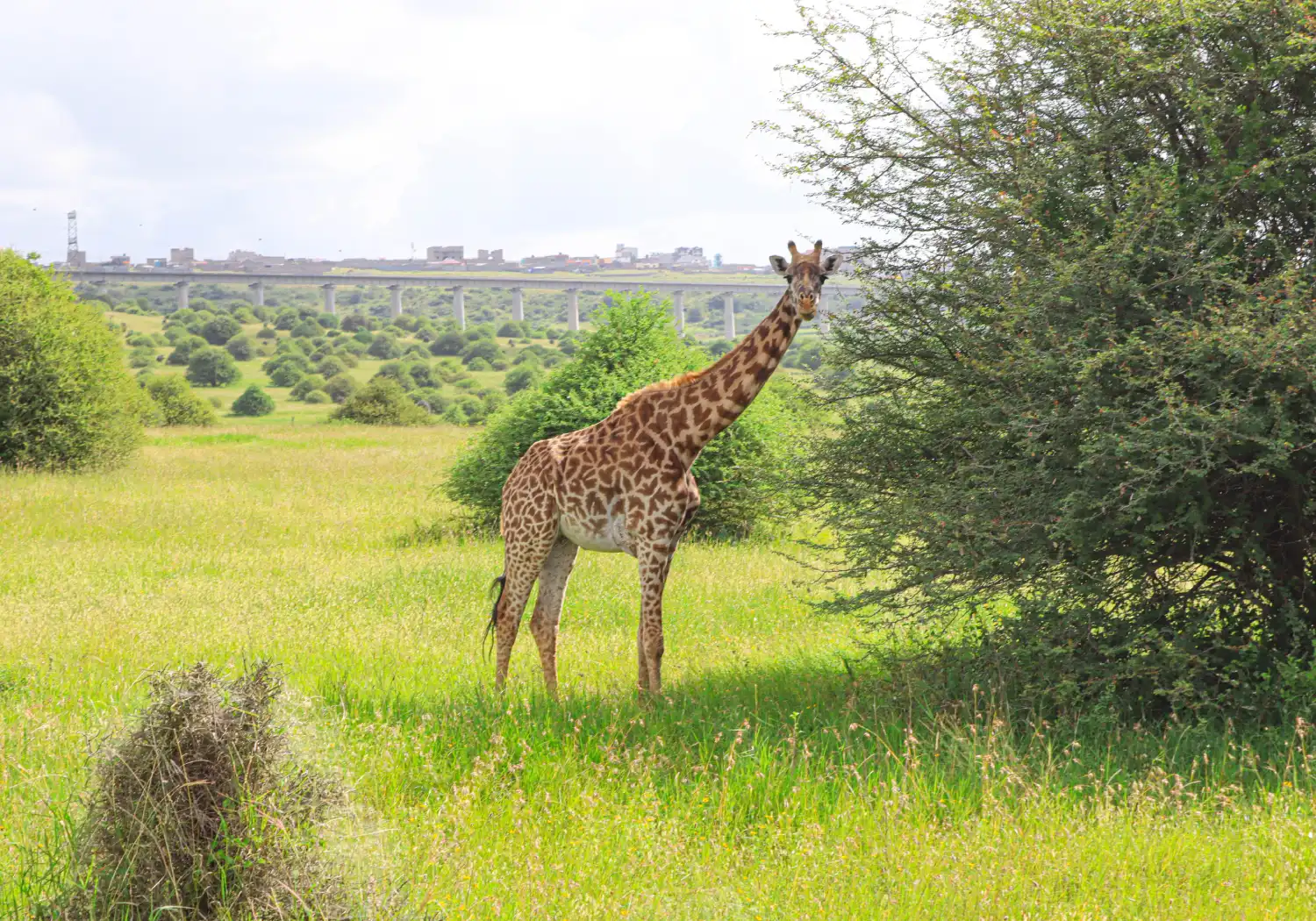
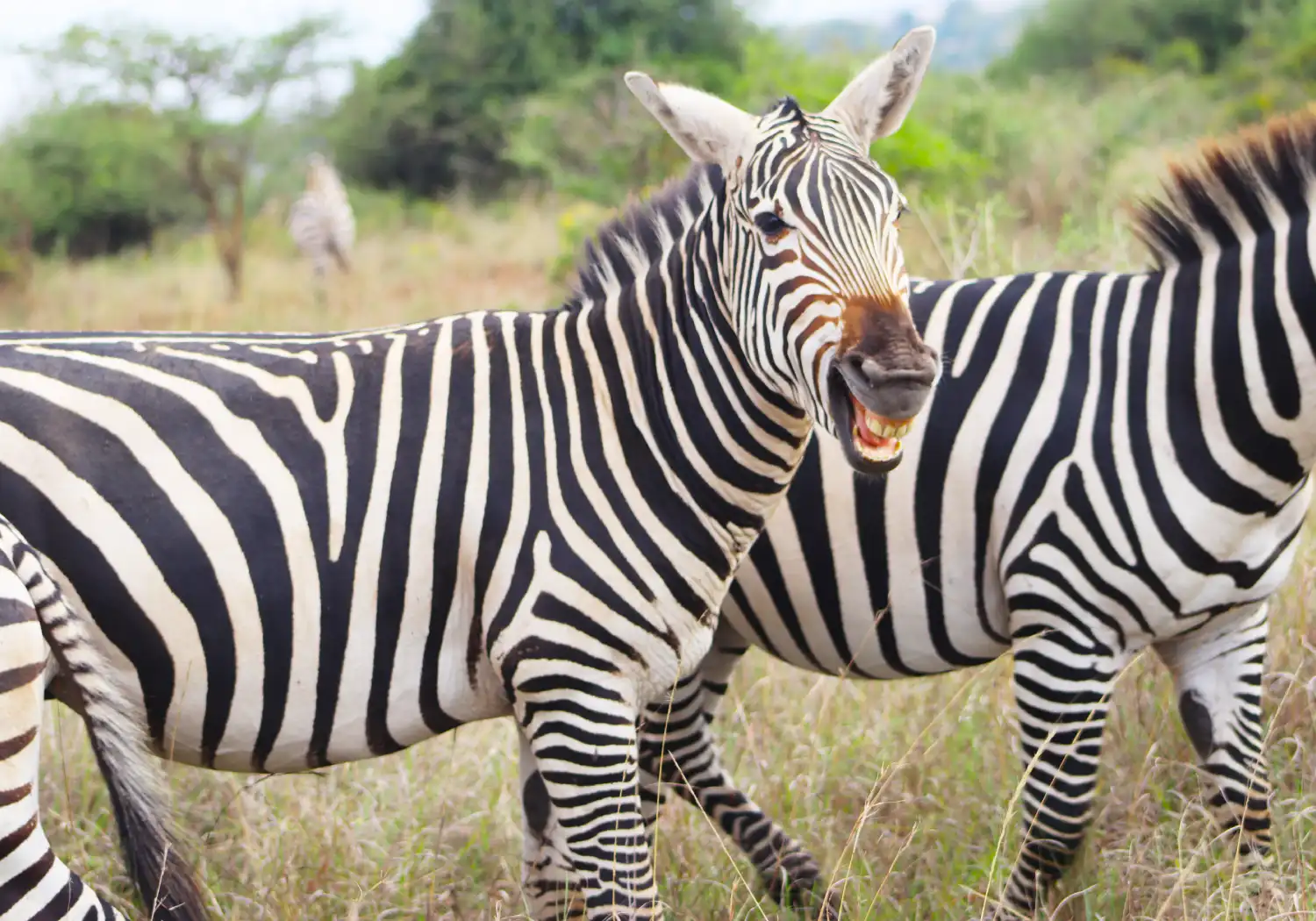
Giraffes, zebras, and buffaloes add variety to the game drive. Zebras can create impressive scenes when they gather across open grassland, while giraffes often stand prominently against the horizon.
Buffaloes provide another interesting encounter, particularly when you observe how individuals interact within a herd.
What Is a Nairobi National Park Game Drive Like?
A Nairobi National Park game drive involves much more than simply driving around looking for animals. Your guide reads the landscape, watches for tracks and movement, listens for animal calls, and considers recent sightings when deciding where to go.
The pace can change throughout the drive. You might spend several minutes watching a group of giraffes before continuing towards a wetland, then stop again when your guide spots an interesting bird or fresh tracks.
A private vehicle gives you more control over that pace. Photographers can spend longer positioning for a shot, while families can take a more relaxed approach. Travellers with a particular interest in rhinos, predators, or birdlife can also discuss their priorities with their guide.
How Long Do You Need for a Nairobi National Park Safari?
The time you spend on a Nairobi National Park safari depends on how deeply you want to explore the park and how much time you want to dedicate to wildlife viewing. A short game drive can introduce you to the park's landscapes and wildlife, while a longer safari gives your guide more opportunity to explore different areas and respond to fresh sightings.
A half-day Nairobi National Park safari works well for travellers who want a focused wildlife experience. You can spend several hours exploring the park, searching for lions, rhinos, giraffes, zebras, buffaloes, antelopes, and birdlife before returning to Nairobi.
A full-day safari creates a slower and more flexible experience. With more time available, your guide can cover different habitats, pause at productive wildlife areas, and spend longer watching interesting animal behaviour.
| Safari Duration | What the Experience Can Include |
|---|---|
| 2–3 hours | A focused game drive covering selected areas of the park |
| Half day | Several hours of wildlife viewing across different sections |
| 5–6 hours | A more extensive game drive with greater flexibility for wildlife sightings |
| Full day | Extended exploration, wildlife viewing, photography, and time to explore different habitats |
The quality of the experience does not depend only on the number of hours. Wildlife movements, weather, road conditions, and your guide's knowledge all influence what you encounter.
What Is the Best Time to Visit Nairobi National Park?
You can visit Nairobi National Park throughout the year, with seasonal conditions influencing the landscape and wildlife viewing. Drier periods can make some animals easier to locate because vegetation becomes less dense and wildlife may gather around available water sources.
The wetter periods create greener scenery and can produce excellent conditions for landscape photography and birdwatching. The park changes character with the seasons, so your preferred travel period can depend on whether you value clearer wildlife visibility or lush scenery.
Morning and afternoon game drives can both provide rewarding experiences. Rather than focusing only on a particular season, consider the type of safari atmosphere you want and your wider Kenya travel plans.
What Should You Bring on a Nairobi National Park Safari?
You do not need an extensive packing list. Comfortable clothing, sunglasses, sunscreen, a hat, drinking water, and a camera cover the basics for most travellers.
A light jacket can prove useful during cooler morning drives. Binoculars are also valuable for distant animals and birds, while a camera with spare batteries gives you better preparation for unexpected sightings.
If photography matters to you, a zoom lens provides flexibility while allowing you to maintain a respectful distance from wildlife. Neutral, comfortable clothing works well for a game drive, particularly when combined with protection from the sun.
How Much Does a Nairobi National Park Safari Cost?
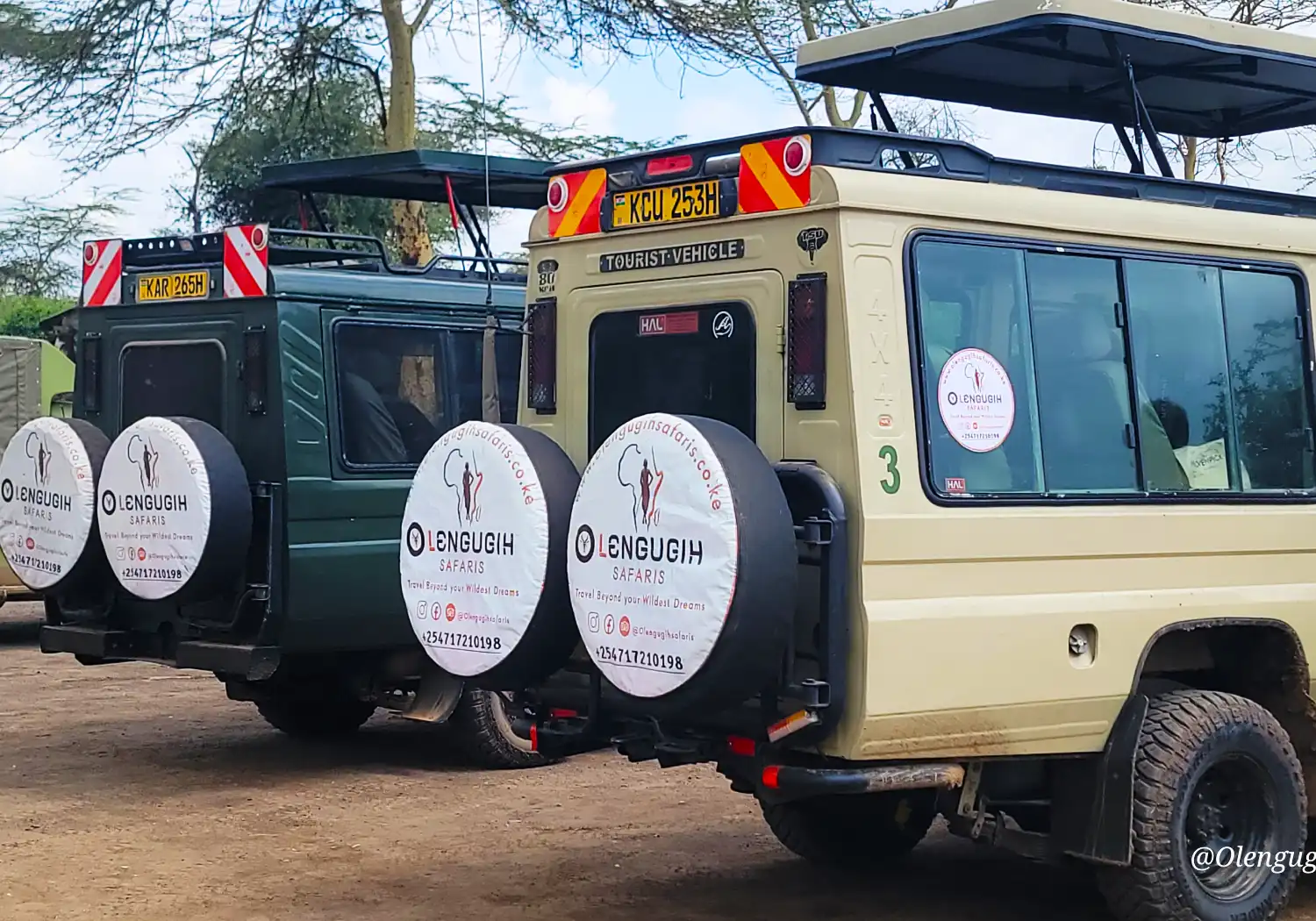
The cost of a Nairobi National Park safari depends mainly on the vehicle you choose and the type of safari experience you want. For a private safari, a 4x4 Land Cruiser Jeep costs USD 250, while a Tour Van costs USD 200. These rates cover the safari vehicle and exclude the park entry fees, allowing you to choose the vehicle that best suits your group and preferred safari style. A Land Cruiser provides a more rugged safari setup and works particularly well for travellers who want a private and comfortable game-viewing experience, while the Tour Van provides a more economical option for exploring the park. Your final safari cost therefore combines the vehicle rate with the applicable park entry fee for each traveller.
How Much Are the Nairobi National Park Entry Fees?
The Nairobi National Park entry fees vary according to your citizenship or residency status, as well as whether you enter as an adult or child. Knowing the applicable rate helps you calculate your total Nairobi National Park safari cost before booking, since park fees come separately from the safari vehicle charge.
| Visitor Category | Adult | Child |
|---|---|---|
| East African Citizen | KES 1,000 | KES 500 |
| Kenya Resident | KES 1,350 | KES 675 |
| African Citizen | USD 40 | USD 20 |
| Non-Resident | USD 80 | USD 40 |
Why Choose a Private Nairobi National Park Safari?
A private safari gives you greater control over your game-drive experience. You can discuss your interests with your guide, decide how long to spend at sightings, and adjust the pace according to the day's wildlife activity.
This flexibility particularly benefits photographers, families, couples, and travellers with specific interests. If a rhino appears in an open area, for example, you can spend additional time observing it rather than moving on because another group has a fixed schedule.
A knowledgeable guide also adds considerable value. They can interpret tracks, explain animal behaviour, identify birds, and help you understand the conservation story behind the landscape.
How Does Nairobi National Park Compare With the Maasai Mara?
Nairobi National Park and the Maasai Mara provide different safari experiences.
| Nairobi National Park | Maasai Mara |
|---|---|
| Located next to Nairobi | Located in southwestern Kenya |
| Excellent for shorter safari experiences | Better suited to multi-day safaris |
| Urban landscape forms part of the setting | Vast savannah dominates the experience |
| Easy to combine with a Nairobi stay | Requires considerably more travel time |
| Strong urban-wildlife conservation story | Famous for expansive wildlife landscapes |
| Suitable for first-time safari experiences | Ideal for deeper multi-day wildlife exploration |
The two destinations can also complement each other. Travellers with enough time can experience Nairobi National Park before continuing to the Maasai Mara for a longer wilderness safari.
Is a Nairobi National Park Safari Worth It?
A Nairobi National Park safari is worth considering if you want genuine wildlife viewing without travelling far from Nairobi. Lions, rhinos, giraffes, zebras, buffaloes, antelopes, and birds create plenty of opportunities for memorable encounters.
The park's greatest strength, however, goes beyond convenience. Its location tells an important story about wildlife conservation alongside urban development, making the experience educational as well as enjoyable.
For first-time safari travellers, families, photographers, and experienced wildlife enthusiasts, Nairobi National Park can provide a rewarding introduction to Kenya's wild side.
Frequently Asked Questions About Nairobi National Park Safari
Can I see the Big Five in Nairobi National Park?
The park supports lions, leopards, buffaloes, and rhinos, but travellers should not expect to see all five during one visit. Elephants are not a regular feature of Nairobi National Park, so the destination should not be chosen specifically for a Big Five checklist.
How many hours should I spend in Nairobi National Park?
A half-day provides a good introduction, while a full-day safari allows more time to explore different habitats and wait for interesting wildlife sightings.
Can I visit Nairobi National Park without staying overnight?
Yes. Nairobi National Park works very well as a day safari, allowing you to return to your Nairobi accommodation after your game drive.
Is Nairobi National Park suitable for families?
Yes. Its accessibility and flexible safari durations make it a practical option for families. A private vehicle can also help you control the pace of the experience.
Can I combine Nairobi National Park with a longer Kenya safari?
Yes. You can combine the park with destinations such as the Maasai Mara, Amboseli, Laikipia, Samburu, Mount Kenya, and the Kenyan coast.
Conclusion
A Nairobi National Park safari gives travellers the chance to experience Kenya's wildlife without travelling deep into the countryside. The combination of open landscapes, diverse wildlife, birdlife, photography opportunities, and an important conservation story creates an experience that feels very different from an ordinary city attraction.
What makes the park particularly memorable is its relationship with Nairobi. Wildlife and urban life exist remarkably close to one another, creating a destination where you can spend the morning watching rhinos or giraffes and still return to the capital the same day.
Whether you choose a focused half-day game drive or a full-day exploration, take time to enjoy more than the animal sightings. Watch the landscape, listen to the birds, observe animal behaviour, and allow your guide to explain the conservation story unfolding around you. That is where the Nairobi National Park experience becomes much more than a quick wildlife excursion.