
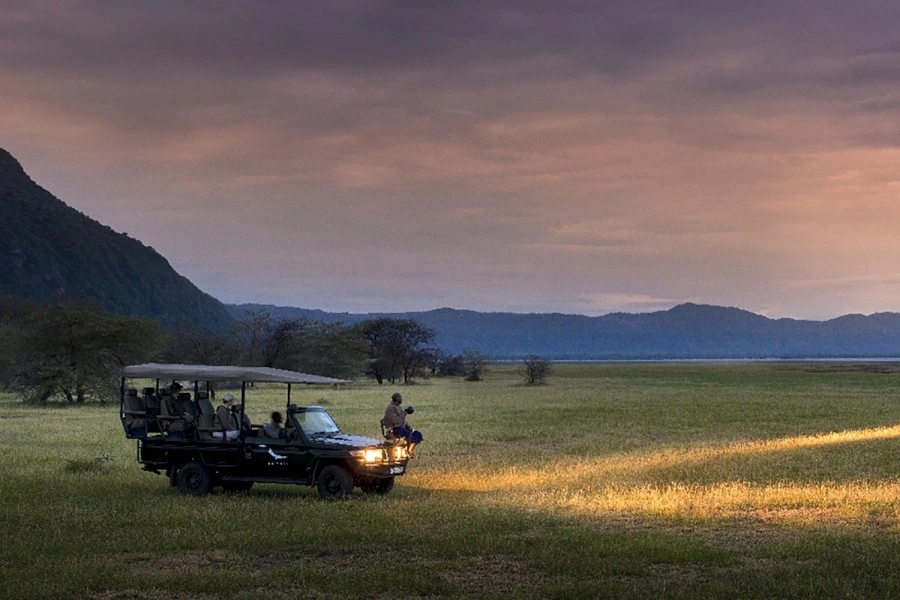
When the sun sets over the African savannah, the wilderness takes on an entirely different character. The familiar landscapes of Kenya's national parks and wildlife conservancies become quieter, darker and more mysterious, while a different range of wildlife begins to emerge. Predators become more active, nocturnal animals leave their hiding places, and the sounds of the African bush create an unforgettable atmosphere. Night game drives in kenya offers safari enthusiasts an opportunity to experience wildlife beyond the traditional morning and afternoon game drives. Unlike daytime safaris, which focus on spotting animals in open landscapes, night drives provide a chance to discover elusive nocturnal species and observe the behaviour of animals that are rarely seen during daylight hours.
Whether you are visiting a private conservancy in the Masai Mara, exploring the Laikipia wilderness or enjoying a safari in Amboseli, a night game drive can add an exciting dimension to your Kenyan safari.
What Is a Night Game Drive?
A night game drive is a guided wildlife excursion conducted after sunset, usually in a specially equipped safari vehicle. Unlike conventional game drives, which take place during daylight hours, night drives use spotlights or specialised lighting equipment to help guides locate animals in the darkness.
These excursions are generally conducted by experienced safari guides who understand animal behaviour, nocturnal habitats and the safety requirements of operating in the wilderness at night.
Night drives typically begin shortly after sunset and may last between two and three hours, depending on the conservancy, lodge arrangements and local regulations.
During the experience, visitors may encounter animals such as:
Leopards moving through woodland or searching for prey.
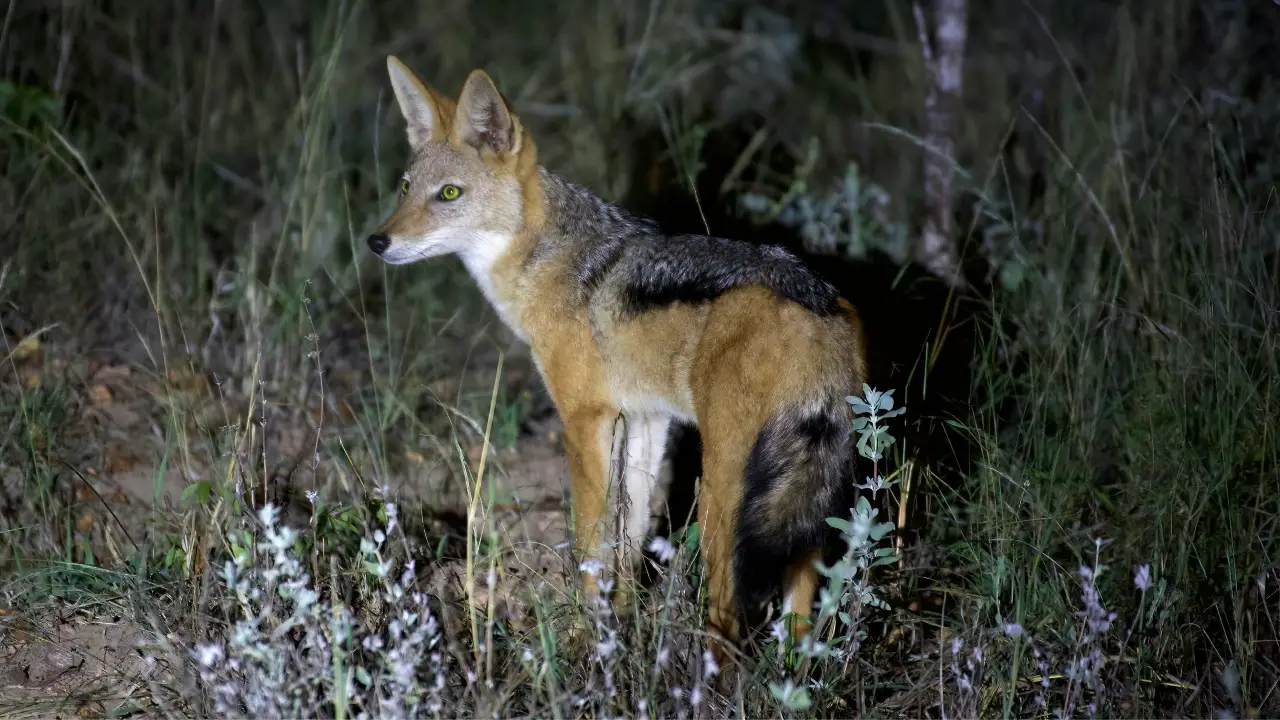
Hyenas travelling between feeding grounds.
Servals hunting rodents in grasslands.
African wildcats moving through the bush.
Genets and civets emerging after dark.
Bush babies jumping between trees.
Porcupines and other small nocturnal mammals.
Owls and other night-active bird species.
Sightings are never guaranteed, but the possibility of encountering animals that are difficult to observe during the day makes night game drives particularly exciting.
Where to Go for Night Game Drives in Kenya
Not every national park or wildlife reserve in Kenya permits night game drives. Many government-managed protected areas have restrictions on after-dark activities to minimise disturbance to wildlife. Private conservancies and selected community conservancies, however, offer greater flexibility and are among the best places to enjoy this experience.
Here are some of the destinations to consider when planning a night game drive in Kenya.
1. Maasai Mara Private Conservancies
The Masai Mara is one of Kenya's most celebrated safari destinations, renowned for its abundant wildlife, spectacular predator sightings and the annual wildebeest migration. While regular night game drives are generally not permitted inside the main Msai Mara National Reserve, several private conservancies surrounding the reserve offer guided nocturnal wildlife experiences.
Some conservancies to consider include:
Mara North Conservancy: Located north of the Maasai Mara National Reserve, Mara North offers an exclusive safari environment with diverse habitats and abundant wildlife. Selected camps in the conservancy offer night drives, providing opportunities to look for leopards, hyenas, servals, genets and other nocturnal species.
Naboisho Conservancy: Known for its diverse wildlife populations and carefully managed tourism activities, Naboisho is another excellent destination for an exclusive safari. Night drives provide an opportunity to explore the conservancy after sunset and search for smaller nocturnal animals that are often overlooked during daytime excursions.
Olare Motorogi Conservancy: This conservancy is particularly popular for its exceptional predator sightings and low-density tourism model. Guests staying at participating camps may enjoy night drives as part of their safari experience, subject to conservancy regulations and camp arrangements.
Ol Kinyei Conservancy: Located within the greater Maasai Mara ecosystem, Ol Kinyei offers a more intimate safari experience. Its varied landscapes and wildlife habitats make it an interesting destination for exploring the bush after dark.
A night game drive in the Maasai Mara conservancies provides a different perspective of the ecosystem, complementing traditional daytime game drives and increasing the opportunities to encounter elusive wildlife.
2. Ol Pejeta Conservancy
Located in Laikipia County, Ol Pejeta Conservancy is one of Kenya's leading wildlife conservation destinations. It is particularly famous for its rhino conservation programmes, endangered species protection and diverse wildlife populations.
The conservancy offers an excellent setting for exploring Kenya's wilderness, with activities extending beyond conventional daytime game drives. Night drives, where available and arranged through the conservancy, provide opportunities to search for nocturnal animals such as aardvarks, zorillas, genets, servals, hyenas and other small mammals.
Ol Pejeta's combination of open grasslands, wooded areas and riverine habitats creates an interesting environment for nocturnal wildlife exploration.
Visitors staying at selected accommodation facilities can enquire about guided night drives and available safari packages when making their reservations.
3. Laikipia Wildlife Conservancies
Laikipia is one of Kenya's most rewarding safari regions for travellers interested in unique wildlife encounters and conservation-focused tourism. The region is home to several private and community conservancies, many of which provide exclusive safari experiences.
Destinations such as Lewa Wildlife Conservancy, Loisaba Conservancy and Borana Conservancy are worth considering when planning a Laikipia safari.
These conservancies are known for their diverse wildlife, conservation initiatives and scenic landscapes. Depending on the property and applicable wildlife management rules, guests may be able to arrange guided night drives.
The experience can reveal a different side of Laikipia's wilderness, with opportunities to look for nocturnal mammals, predators and night-active birds.
Travellers should confirm which activities are available at their chosen conservancy, as night-drive access and operating arrangements differ between properties.
4. Nairobi National Park
Nairobi National Park is one of the world's few wildlife parks on the edge of a capital city. It lies about 7 km from the city centre, so it suits travellers with limited time. It is famous for lions, black rhinos, giraffes, buffalo and abundant birdlife, set against the Nairobi skyline.
Night game drives are not part of the standard park day. Regular driving in the park is limited to daylight hours. After-dark drives are generally offered only by arrangement with Kenya Wildlife Service and selected operators, usually with a ranger escort. Kenya Wildlife Service lists a night game drive fee for selected parks and reserves, charged per person per trip on top of the conservation fee.
Where a night drive is arranged, it gives you a chance to look for nocturnal and crepuscular species such as hyenas, genets, jackals and bushbabies. With luck, you may also see lions and leopards on the move. The drive complements a daytime game drive and is easy to fit around a Nairobi layover or business trip.
Travellers interested in this experience should confirm availability, permits and fees when booking. Rules can change, and night drives are not guaranteed on every date.
What Animals Can You See During a Night Game Drive?
One of the biggest attractions of a night safari is the opportunity to observe animals that are rarely encountered during daytime game drives. Some species are naturally nocturnal, while others become more active after the temperatures drop.
Here are some of the animals you may encounter.
Leopards: Although leopards can be active during the day, they are particularly active around dusk and at night. Their excellent camouflage and preference for dense vegetation make them challenging to spot, but a night drive can provide opportunities to observe them moving through their territories.
Aardvarks: These unusual mammals are primarily nocturnal and spend much of their time underground. They emerge after dark to search for ants and termites, making them exciting but relatively difficult animals to encounter.
Servals: Recognisable by their long legs, large ears and spotted coats, servals are skilled hunters. They use their exceptional hearing to locate rodents and other small prey in grasslands.
Genets: These small, slender carnivores are known for their spotted bodies and long, ringed tails. They are often found in wooded habitats and may be spotted moving through vegetation after sunset.
Bush Babies: Also known as galagos, bush babies are small primates that become active at night. Their large eyes help them navigate in low light, and visitors may sometimes spot them leaping between branches.
Hyenas: Spotted hyenas are highly adaptable predators and scavengers that often become particularly active after sunset. Their distinctive calls can also make a night safari an unforgettable experience.
Porcupines: These nocturnal rodents are sometimes seen foraging along tracks and open areas. Their distinctive quills make them relatively easy to recognise when illuminated by a spotlight.
What to Expect During a Night Game Drive
A night game drive is different from a conventional safari, and understanding what happens during the excursion can help you prepare for the experience.
1. Departure After Sunset
Most night drives begin shortly after sunset, when daytime wildlife activity starts to change. Depending on your accommodation and conservancy, the excursion may begin between 6:30 pm and 7:30 pm.
Your guide will brief you on the activity, explain the safety guidelines and introduce the lighting equipment used during the drive.
2. Spotlighting and Wildlife Tracking
As darkness sets in, your guide will use a spotlight to scan the surrounding vegetation, grasslands and tracks. The light helps identify reflective eyes and movement in the darkness.
Experienced guides can often recognise animals by their eyeshine, sounds, tracks and movement patterns. They may also use their knowledge of animal habitats to identify areas where nocturnal species are likely to be found.
3. A Different Safari Atmosphere
One of the most memorable aspects of a night drive is the change in atmosphere. The sounds of insects, distant animal calls and movement in the bushes become more noticeable.
Without the usual daylight visibility, visitors rely more heavily on their guide's knowledge and interpretation of the wilderness.
4. Opportunities for Nocturnal Wildlife Photography
Night drives can present interesting photography opportunities, particularly for visitors interested in capturing elusive animals. However, photography can be challenging because of limited light and moving subjects.
It is important to follow your guide's instructions regarding camera flashes and lighting to avoid disturbing wildlife.
5. Return to Camp
Most night drives conclude after a few hours, with guests returning to their accommodation for dinner or an evening around the campfire. Some lodges incorporate the activity into a broader evening safari experience.
Night Game Drives vs Day Game Drives
Although both activities offer opportunities to observe wildlife, they provide very different safari experiences.
Day game drives are ideal for observing large mammals, birdlife, landscapes and animal interactions in natural daylight. They also provide better conditions for wildlife photography and general wildlife viewing.
Night game drives, on the other hand, focus on nocturnal species and animals that become more active after sunset. They offer opportunities to observe hunting behaviour, predator movements and smaller mammals that are easily overlooked during the day.
For the most rewarding safari experience, combining both activities is an excellent way to explore the different rhythms of the African wilderness.
What to Pack for a Night Game Drive
Night temperatures in Kenya can become considerably cooler, particularly in high-altitude destinations such as Laikipia and the Maasai Mara. It is therefore important to dress comfortably and prepare for changing weather conditions.
Consider packing:
A warm jacket or fleece: Evenings can become chilly, especially in open safari vehicles.
Comfortable clothing: Neutral colours such as khaki, brown and olive are suitable for safari activities.
Closed shoes: Comfortable footwear is useful when moving around the camp or lodge before and after the excursion.
A camera: Bring a camera suitable for low-light photography if you intend to capture wildlife.
Binoculars: These can be useful for observing animals, although your guide's spotlight will be the primary aid during the drive.
Personal essentials: Carry any necessary medication and other personal items.
Avoid using bright personal torches or camera flashes without your guide's permission, as excessive lighting can disturb wildlife.
Responsible Night Safari Practices
Night game drives offer exciting wildlife encounters, but they must be conducted responsibly to minimise disturbance to animals and their natural habitats.
Always choose a licensed operator or an accommodation facility that works within the conservancy's regulations. Follow your guide's instructions and avoid requesting activities that interfere with natural animal behaviour.
Responsible night safari practices include:
Maintaining a respectful distance from wildlife.
Avoiding excessive spotlighting or shining lights directly into animals' eyes for prolonged periods.
Keeping noise to a minimum.
Never feeding or attempting to approach wild animals.
Remaining inside the safari vehicle unless your guide advises otherwise.
Following all conservancy rules and operating restrictions.
Responsible tourism helps ensure that nocturnal wildlife can continue to thrive while visitors enjoy meaningful safari experiences.
When Is the Best Time for Night Game Drives in Kenya?
Night game drives can be enjoyed throughout much of the year in conservancies where the activity is permitted. However, wildlife visibility and the overall experience can vary depending on the season, weather and habitat conditions.
The dry seasons, generally occurring between June and October and again from January to February, can offer favourable wildlife-viewing conditions. Shorter vegetation and less dense undergrowth may make it easier to spot animals in certain habitats.
The wetter months can also be rewarding, particularly for visitors interested in observing the behaviour of nocturnal species and experiencing Kenya's greener landscapes.
Ultimately, the best time to enjoy a night game drive depends on your preferred destination, the accommodation you select and the wildlife experiences available during your visit.
Planning a Safari with a Night Game Drive in Kenya
A night game drive is best incorporated into a safari itinerary that includes other wildlife activities. Spending at least two or three nights at a conservancy can provide sufficient time to enjoy daytime game drives, relax at your accommodation and experience the wilderness after sunset.
For example, a Maasai Mara safari combining daytime game drives in the national reserve with a stay in a private conservancy can offer a more diverse wildlife experience. Alternatively, a Laikipia safari can combine conservation visits, traditional game drives and other property-specific activities.
When planning your trip, remember that night drives are not available in every protected area or at every safari camp. Some conservancies restrict the activity to designated zones, while others require advance arrangements or charge an additional fee.
Always confirm availability, operating hours, age restrictions and additional costs with your tour operator or accommodation provider before travelling.
Experience Kenya's Wilderness After Dark
A Kenyan safari does not have to end when the sun goes down. Night game drives reveal a fascinating side of the wilderness, offering opportunities to encounter elusive nocturnal animals, listen to the sounds of the African bush and appreciate the natural environment from a different perspective.
From the private conservancies of the Maasai Mara to the wildlife-rich landscapes of Laikipia, Kenya offers several destinations where visitors can explore the wilderness after dark.
If you are planning a safari in Kenya, consider including a night game drive in your itinerary. It is an opportunity to discover that some of the most fascinating wildlife experiences happen long after the sun has disappeared over the horizon.