
Reteti Elephant Sanctuary Kenya
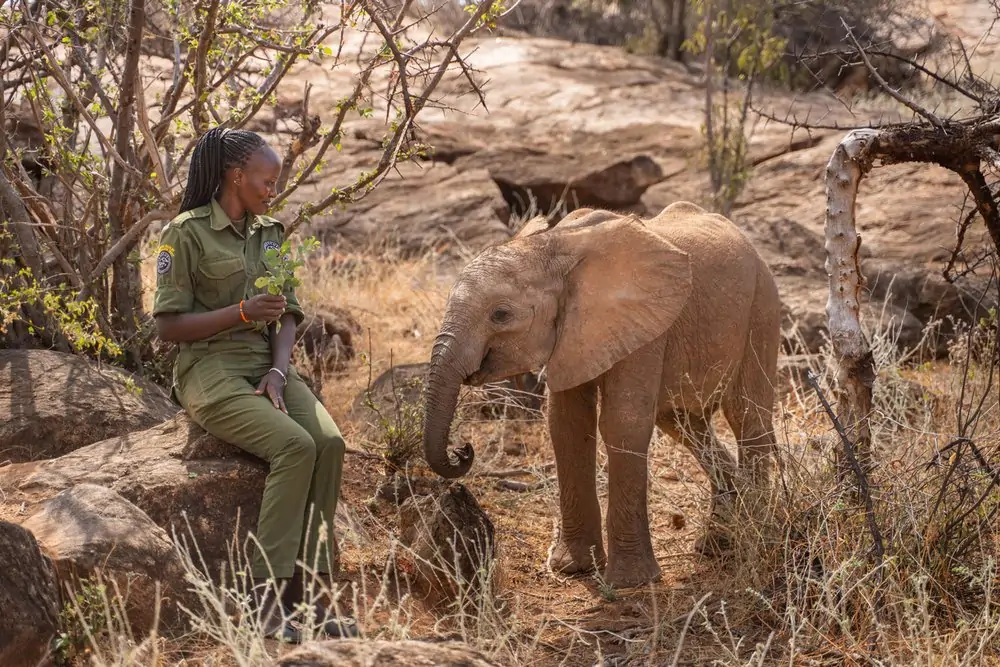
Reteti Elephant Sanctuary Kenya is Africa's first community-owned elephant orphanage. It sits in Namunyak Conservancy, in northern Kenya. The Samburu people rescue orphaned calves, raise them by hand and release them back into the wild. Visitors can watch the calves take their milk, with a Samburu keeper as their guide.
Last updated: October 2026.
Reteti Elephant Sanctuary Kenya: key facts
- What it is: Africa's first community-owned elephant orphanage
- Where: Namunyak Conservancy, Samburu County, northern Kenya
- Opened: 2016
- Run by: The Samburu community, with Kenya Wildlife Service and Samburu County Government
- Mission: Rescue orphaned elephants, raise them and release them into the wild
- Orphans arrive from: Poaching, drought, wells and human-wildlife conflict
- Rescued and released: More than 150 calves rescued and 23 released, per IFAW
- Keepers: Samburu men and women, including Africa's first female elephant keepers
- Visits: Open daily, with a viewing platform for milk feeding
- Distance from Nairobi: About eight hours by road, or a charter flight
A community-led conservation success
Reteti stands in the mountains of northern Kenya. It is a breakthrough in community-led conservation. The Samburu people built and run the sanctuary. It is the first indigenous-owned elephant sanctuary in Africa.
Orphaned calves arrive after poaching, drought, falls into wells or conflict with people. They receive specialist care. The goal is always the same: return them to the wild.
Reteti is more than a rescue centre. It shows that local people gain when wildlife thrives. Jobs, income and pride come from living beside elephants. Many Samburu families once saw elephants as a threat. Today more of them see elephants as an asset.
This model strengthens conservation across Kenya. It proves that communities can lead and sustain big environmental projects.
Elephant rescue and rehabilitation at Reteti
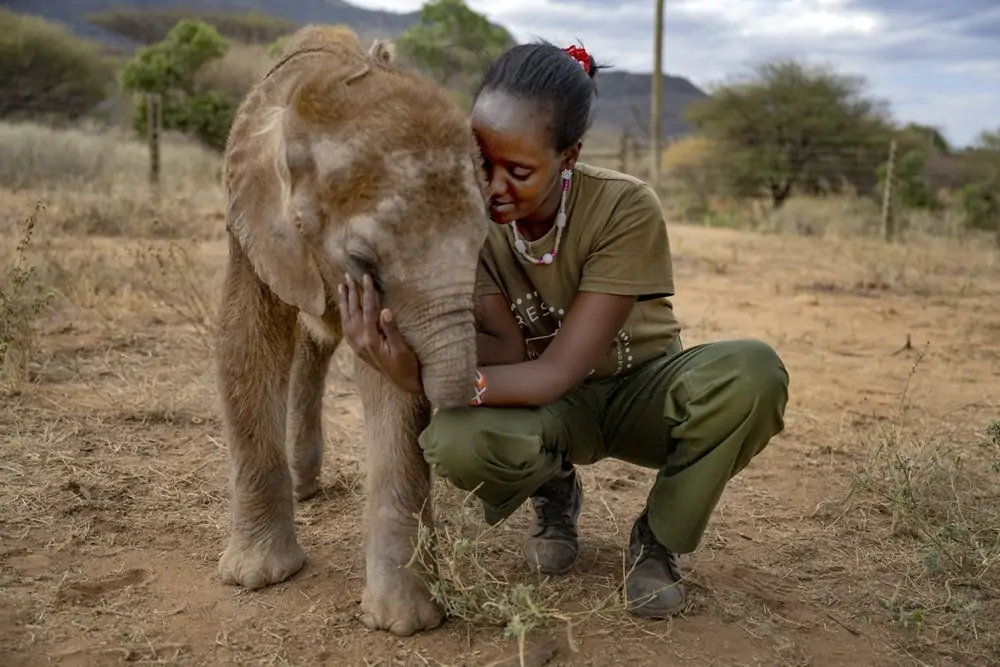
Reteti gives orphaned elephants a second chance. Most calves lose their herds to human-wildlife conflict, drought or poaching. Rescue teams reach them by road or by air, often in remote bush. Newborns can be dehydrated and weak.
At the sanctuary, calves are fed goat's milk formula every two hours, day and night. Keepers sleep close by and keep each calf company. As the calves grow, keepers walk them into the bush to learn how to forage and find water.
Calves stay until they are strong enough to return to the wild, usually after age three. Release herds go back to the surrounding landscape. Some elephants cannot be released and stay on as older siblings for newcomers.
Reteti began in 2016. IFAW reports that the sanctuary has rescued over 150 calves and released 23. A release herd of 13 elephants returned to the wild in June 2025. The next herd of 10 is preparing for release.
Watch how Reteti rescues and cares for calves in this video.
Empowering women at Reteti Elephant Sanctuary Kenya
Reteti is also changing gender roles in the Samburu community. In this pastoralist society, women traditionally did not work outside the home. Reteti broke that barrier. It trained the first female elephant keepers in Africa.
These women feed the calves, clean their pens and comfort them through the night. They give the orphans the emotional support they need to thrive.
The change is inspiring young girls. Schoolchildren who once feared elephants now visit the sanctuary and meet the calves. Some leave dreaming of becoming keepers or vets. Education and jobs at Reteti are reshaping how the community values both women and wildlife.
By proving that women excel in conservation, Reteti opens the way to wildlife careers for the next generation.
Long'uro: an inspiring rescue story
One of Reteti's most remarkable rescues is Long'uro. In April 2020, rescuers found the orphaned calf at Loisaba Conservancy. He had fallen into a well. Hyenas had bitten off two-thirds of his trunk. His cries filled the night until a Kenya Wildlife Service and Reteti team arrived.
Long'uro was only a month old and in critical condition. Mary Lengees, a Reteti keeper, nursed him back to health. She stayed by his side and helped him recover in body and spirit.
Despite his short trunk, Long'uro adapted well. He learned to eat seed pods from the ground. He even learned to splash water on himself by copying the other calves.
Long'uro's progress
Long'uro is easy to recognise. He has a fluffy coat and a short trunk. He formed a close bond with his best friend, Lomunyak, who arrived a month after him. The two calves play and share food. Long'uro is independent and often eats alone. He joins the herd on his own terms.
His resilience has inspired visitors and conservationists worldwide. Watch his story in this video.
Reteti elephant sanctuary: latest numbers and news
Reteti keeps growing, so figures change often. Sources also count differently. The numbers below are the latest I could confirm.
- Calves rescued: IFAW reports over 150 since 2016
- Calves released: IFAW reports 23 returned to the wild
- June 2025: A herd of 13 elephants was released
- Next release: A herd of 10 is preparing for the wild in 2026
- Earlier reports: Older articles quote 35 rescued and 10 released
Older articles quote smaller totals. That is because they were written earlier. Reteti has rescued many more calves since then.
Visiting Reteti Elephant Sanctuary Kenya
Visiting Reteti is a highlight of any northern Kenya safari. Here is what to expect.
How to get there
- By road: About eight hours from Nairobi. The final stretch is rough, so use a 4x4.
- By air: Fly by charter to a nearby airstrip, then drive to the sanctuary.
- Combine it: Pair Reteti with Samburu National Reserve for classic northern wildlife.
Visiting times
- Public slots: Mornings, usually around 8:30 am and 11:30 am
- Early and late slots: Often 5:30 am and 5:30 pm, for guests staying nearby
- Duration: About one and a half hours
- Feeding: Milk feeding starts around 30 minutes into the visit
- Booking: Book ahead, because places are limited
Arrive on time. Slots are strict, and the calves follow a fixed routine. Confirm the current times and fee when you book.
Best time to visit
Visit in the dry months, from January to February and from June to October. Roads are easier, and calves gather at the feeding platform. Rain can make tracks slow in April and May.
What to bring
- Clothing: Light layers in neutral colours
- Footwear: Closed shoes with good grip
- Sun care: Hat, sunscreen and sunglasses
- Water: A refillable bottle
- Camera: A zoom lens works well at the platform
Tips for a better visit
- Keep your voice low near the calves
- Never touch the elephants unless a keeper invites you
- Stay on the viewing platform and follow your guide
- Ask keepers questions, since they know each calf by name
- There is no overnight stay or volunteering at the sanctuary
Your visit supports the Samburu keepers and the calves.
Reteti Elephant Sanctuary Kenya: frequently asked questions
What is Reteti Elephant Sanctuary Kenya?
It is Africa's first community-owned elephant orphanage. It sits in Namunyak Conservancy in northern Kenya. Samburu keepers rescue orphaned calves, raise them and release them into the wild.
Where is Reteti Elephant Sanctuary?
Reteti is in Namunyak Conservancy, Samburu County, northern Kenya. It is about eight hours by road from Nairobi.
Who runs Reteti Elephant Sanctuary?
The Samburu community runs it. Kenya Wildlife Service and Samburu County Government are partners. Local keepers, including women, care for the calves daily.
Can you visit Reteti Elephant Sanctuary?
Yes. Visitors join a guided session of about one and a half hours. You watch the calves take their milk from a viewing platform.
How much does it cost to visit Reteti?
Fees change, so confirm the current rate when you book. Your safari operator can arrange this for you.
What time can you visit Reteti?
Public slots are usually around 8:30 am and 11:30 am. Early and late slots suit guests staying nearby. Always confirm times before you travel.
Can you touch the elephants at Reteti?
No, not unless a keeper invites you. The calves are orphans being prepared for the wild. Keepers set the rules to keep them safe.
Can you volunteer or stay overnight at Reteti?
No. The sanctuary does not offer volunteering or overnight stays. You can visit for the day or stay at a nearby camp.
How many elephants has Reteti rescued?
IFAW reports over 150 calves rescued since 2016. It also reports 23 released into the wild. Totals rise as new calves arrive.
What is the best time to visit Reteti?
The dry months are best. Go from January to February or from June to October. Roads are easier and the weather is steady.
What happened to Long'uro the elephant?
Long'uro was rescued in April 2020 after falling into a well. Hyenas had bitten off most of his trunk. Keepers nursed him back to health.
How long do calves stay at Reteti?
Calves usually stay until at least age three. They are released once they can forage and live as a herd.
Can I visit Reteti on a Samburu safari?
Yes. Reteti pairs well with Samburu National Reserve and a Samburu village visit. We can plan the full route for you.
Visit Reteti with Olengugih Safaris
Want to see Reteti Elephant Sanctuary Kenya for yourself? Olengugih Safaris plans northern Kenya trips for couples, families and small groups. We handle transfers, bookings and Samburu village visits. Tell us your dates, and we will build the route.
Guests can read reviews from other travellers on GetYourGuide, SafariBookings and Tripadvisor.