
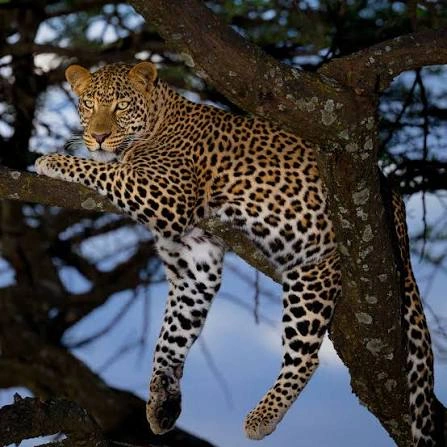
The Best Places to See Leopards in Kenya
Leopards are among Africa’s most captivating wildlife species. Powerful, solitary and exceptionally well camouflaged, these elusive big cats can disappear into thick vegetation or rest unnoticed in the branches of a tree. Seeing one in the wild is often a highlight of an African safari, especially for travellers hoping to encounter the Big Five.
Kenya offers several promising destinations for leopard sightings, from the famous Maasai Mara National Reserve and its surrounding conservancies to the rugged landscapes of Samburu and the wilderness areas of Laikipia. Leopards also inhabit destinations such as Lake Nakuru, Tsavo and Meru, although sightings vary with habitat, conditions and the experience of your guide.
If you are planning a Kenya wildlife safari and want to improve your chances of spotting this remarkable predator, this guide explores the best places to look, when to go, and how to plan a rewarding leopard-watching experience.
1. Maasai Mara National Reserve and Its Conservancies
The Maasai Mara is one of Kenya's most celebrated destinations for big-cat safaris and an excellent place to begin searching for leopards. Its combination of open grasslands, riverine forests, wooded drainage lines and rocky areas provides suitable habitat for these elusive predators.
Where to look for leopards in the Maasai Mara
During game drives, experienced guides often search along the Mara and Talek river corridors, where trees and dense vegetation provide cover. Leopards may rest on branches, move quietly through thickets or use rocky outcrops to observe their surroundings.
The wider Mara ecosystem also includes private conservancies such as Mara North, Naboisho and Olare Motorogi. These areas can offer a more exclusive safari experience, depending on the camp, season and vehicle limits in place.
Some conservancies permit guided night drives, providing opportunities to observe nocturnal wildlife when permitted by their regulations. Confirm the activities available at your chosen camp before booking.
Best for: Travellers seeking a classic Kenyan safari with opportunities to see leopards alongside lions, cheetahs, elephants, buffaloes and other wildlife.
Recommended stay: Three or more nights provide time for several morning and afternoon game drives.
2. Samburu National Reserve
Samburu National Reserve offers a distinctive leopard-watching experience in northern Kenya. Its arid landscapes, rocky hills, acacia scrub and riverine vegetation create a striking contrast with the open grasslands of the Maasai Mara.
The Ewaso Ng'iro River is an important feature of the reserve. Its surrounding vegetation provides shade, shelter and hunting opportunities for predators, making the river corridor a useful area to explore during game drives.
Leopards may be difficult to distinguish among the branches and shadows, so patience and a knowledgeable guide are particularly valuable. Scan the trees and thicker vegetation rather than concentrating only on animals visible in the open.
Samburu also offers opportunities to see distinctive northern wildlife, including Grevy's zebra, reticulated giraffe, gerenuk and Beisa oryx. This makes it an appealing destination for travellers who want more than a conventional Big Five safari.
Best for: Wildlife enthusiasts, photographers and travellers looking for a northern Kenya safari with varied landscapes and distinctive wildlife.
Recommended stay: Two to three nights or longer, depending on your itinerary and wildlife interests.
3. Laikipia Plateau and Its Private Conservancies
Laikipia is an important wildlife region in central Kenya, known for its diverse landscapes and conservation initiatives. Rather than being a single national park, it consists of a wider landscape containing private conservancies, community-managed areas and other wildlife habitats.
For leopard enthusiasts, Laikipia is particularly interesting because some conservancies offer guided night drives, specialist tracking experiences and carefully managed wildlife viewing.
The search for black leopards
Laikipia has also gained international attention for sightings of black leopards. These animals are melanistic leopards, meaning they have a genetic variation that causes unusually dark pigmentation. Their spots may still be visible under suitable lighting.
The Laikipia Wilderness area has documented black leopard sightings, including the well-known leopard called Giza. However, black leopards are exceptionally rare, and their movements cannot be predicted with certainty. A specialist safari improves the opportunity to search for them but cannot guarantee an encounter.
When choosing accommodation, ask whether the property offers dedicated leopard-focused drives, experienced guides, ethical viewing protocols and appropriate access to the relevant conservancy.
Best for: Specialist wildlife photographers, repeat safari travellers and visitors interested in black leopards and conservation.
Recommended stay: Consider three or more nights for a general leopard-focused safari. If a black leopard is your primary goal, discuss a longer stay with the specialist operator before booking.
4. Lake Nakuru National Park
Lake Nakuru National Park is often associated with its birdlife, scenic lake, rhinos and surrounding woodland. It is also home to leopards, making it a worthwhile option for visitors exploring Kenya's Rift Valley safari circuit.
The park's varied habitats include acacia woodlands, grasslands, rocky escarpments and bushy areas. These environments offer the cover that leopards use for resting, stalking prey and moving through their territories.
During game drives, look carefully through wooded areas and along suitable drainage lines. A leopard may be resting on a branch or partly concealed in vegetation, so moving slowly through productive habitat can be more useful than rushing between locations.
Lake Nakuru is particularly convenient for travellers combining wildlife viewing with destinations such as Lake Naivasha, Lake Elementaita and the Maasai Mara.
Although leopard sightings are possible, the park is not a guaranteed location for finding one. Plan the visit around its broader wildlife attractions as well as the possibility of seeing this elusive cat.
Best for: Travellers exploring Kenya's Rift Valley, birdwatchers, families and visitors interested in combining leopard searches with rhino sightings.
Recommended stay: One to two nights, or longer when included in a wider safari circuit.
5. Tsavo East National Park
Tsavo East National Park is one of Kenya's largest protected wilderness areas. Its extensive semi-arid landscapes, open plains, acacia scrub and river systems provide habitat for a wide range of wildlife, including leopards.
The Galana River and associated vegetation create important wildlife corridors within this vast landscape. Leopards may also use dense bush, rocky areas and shaded cover to rest or move between hunting grounds.
Tsavo East is a rewarding destination for travellers seeking a sense of wilderness and opportunities to see elephants, lions, giraffes, zebras, buffaloes and numerous bird species. However, its size and extensive vegetation can make individual leopard sightings unpredictable.
Rather than expecting to see a leopard on every drive, allow sufficient time to explore different parts of the park with an experienced guide.
Best for: Travellers seeking a spacious wilderness safari, especially those combining Tsavo with Amboseli or Kenya's coastal destinations.
Recommended stay: Two to three nights or more for a varied wildlife experience.
6. Tsavo West National Park
Tsavo West offers a contrasting landscape of volcanic hills, rocky outcrops, bushland, springs and green pockets of vegetation. These features create varied habitats for wildlife, including leopards.
Its more rugged terrain makes the search different from leopard viewing in the Mara's open plains. Look through suitable woodland and rocky areas, paying attention to tracks and other signs interpreted by your guide.
Tsavo West is also known for attractions such as Mzima Springs, the Shetani Lava Flow and scenic viewpoints. Combining these experiences with wildlife drives creates a varied safari even when elusive predators remain out of sight.
Some accommodation properties may offer distinctive wildlife-viewing opportunities, but activities and viewing conditions vary. Confirm what is available before making a booking.
Best for: Travellers interested in dramatic scenery, varied habitats and a wilderness experience.
Recommended stay: Two to three nights, particularly when combined with Tsavo East.
7. Meru National Park
Meru National Park is a compelling choice for travellers who want to explore a less frequently visited safari destination. Its rivers, woodlands, grasslands and diverse habitats support a wide range of wildlife, including leopards.
The park's varied vegetation provides numerous places for a leopard to rest or move unseen. Game drives with a knowledgeable guide are therefore important, especially when searching around riverine habitats and areas where prey animals are present.
Meru is also known for its conservation history and association with Elsa, the lioness made famous by Born Free. Its wider attractions include elephants, buffaloes, lions, rhinos and rich birdlife.
Because leopard encounters are not guaranteed, visitors should approach Meru as a broader wilderness safari rather than a destination where a sighting is certain.
Best for: Travellers seeking a quieter safari atmosphere, varied wildlife and an opportunity to explore one of Kenya's distinctive wilderness areas.
Recommended stay: Two to three nights or more, depending on travel arrangements and interests.
8. Nairobi National Park
For travellers with limited time in Kenya, Nairobi National Park offers an opportunity to experience wildlife close to the capital city. The park contains grasslands, wooded valleys, riverine vegetation and other habitats supporting a variety of animals.
Leopards occur in the wider Nairobi National Park ecosystem, but sightings are not dependable. Visitors should consider a leopard encounter a bonus rather than the main reason for choosing a short visit.
A guided game drive can also provide opportunities to see lions, giraffes, buffaloes, zebras and other wildlife. The park's proximity to Nairobi makes it suitable for a half-day or full-day excursion, depending on the itinerary.
Best for: Visitors on short stays in Nairobi, travellers with limited safari time and those beginning or ending a longer Kenyan holiday.
Recommended stay: A half-day or full-day visit may suit a general wildlife safari; a longer stay elsewhere is preferable if leopards are your main priority.
Which Is the Best Place to See Leopards in Kenya?
The best destination depends on your interests, available time and preferred safari style. The Maasai Mara and its conservancies are strong choices for a classic big-cat safari, while Samburu offers a different landscape and Laikipia is especially attractive to travellers interested in specialist leopard experiences.
| Destination | Why visit? | Best suited to |
|---|---|---|
| Maasai Mara | Big-cat diversity and riverine habitat | First-time safari travellers |
| Samburu | Northern landscapes and distinctive wildlife | Wildlife enthusiasts |
| Laikipia | Conservancy experiences and black leopard interest | Specialist photographers |
| Lake Nakuru | Rift Valley scenery and rhinos | Multi-park safari itineraries |
| Tsavo East | Vast wilderness and varied wildlife | Longer road safaris |
| Tsavo West | Rugged scenery and diverse habitats | Wilderness and landscape lovers |
| Meru | Diverse habitats and a quieter safari experience | Repeat visitors |
| Nairobi National Park | Wildlife close to the capital | Short-stay travellers |
No destination can guarantee a leopard sighting. The quality of guiding, the amount of time spent searching, habitat conditions and the animal's movements all influence the outcome.
What Is the Best Time to See Leopards in Kenya?
Leopards live in Kenya throughout the year, so there is no single month when sightings are guaranteed. However, seasonal conditions can affect visibility, access and the experience of game drives.
Dry seasons
During drier periods, shorter grass and less dense vegetation in some areas may make wildlife easier to spot. Animals may also concentrate around remaining water sources, although leopard movements still depend on prey, territory and other environmental conditions.
For many Kenyan safari destinations, the periods around January to February and June to October can be useful for wildlife viewing. Conditions vary between regions, and these periods should not be treated as a guarantee of leopard sightings.
Rainy seasons
Rain can make some roads muddy or difficult to navigate, and thicker vegetation may make spotting wildlife more challenging. However, greener landscapes can be beautiful for photography, and fewer visitors at some destinations may provide a different safari atmosphere.
The best choice depends on your wider travel goals. If you want to combine leopard searches with the Great Migration, birdwatching, photography or a beach holiday, plan your itinerary around those priorities as well.
What Time of Day Are Leopards Most Active?
Leopards are often most active around dusk, during the night and in the early morning. They may also move during daylight hours, particularly when conditions are suitable or they are feeding.
For the best opportunity to spot one, consider the following:
Early morning: Leopards may still be moving after a night of hunting or returning to resting sites.
Late afternoon: Cooler conditions may encourage movement before sunset.
Night drives: These can offer opportunities to observe nocturnal behaviour in conservancies where such drives are permitted.
During the heat of the day, leopards may rest in shade, thick vegetation or trees. A skilled guide can help you identify suitable habitat and interpret signs of wildlife activity.
How to Increase Your Chances of Seeing a Leopard
Although leopard sightings are never guaranteed, thoughtful planning can improve your opportunities.
1. Spend more time in one destination. Rather than visiting several parks for only a few hours each, consider staying for multiple nights in a leopard-focused area.
2. Choose an experienced local guide. Guides familiar with the terrain may recognise tracks, alarm calls and habitat features that help them decide where to search.
3. Book early morning and afternoon game drives. These periods can provide useful opportunities to observe wildlife activity.
4. Bring binoculars. Leopards can be difficult to distinguish from branches, rocks and shadows. Binoculars help you scan vegetation without disturbing the animal.
5. Stay patient. A quiet, careful search can be more rewarding than driving quickly from one location to another.
6. Consider a conservancy stay. Some private conservancies offer night drives and specialist activities that are not available in every national park or reserve. Check the specific property's rules and activities.
7. Avoid unrealistic promises. No responsible operator should guarantee that you will see a wild leopard. Choose an itinerary that offers excellent wildlife experiences even if this particular animal remains hidden.
Leopard Photography Tips for Your Kenya Safari
Photographing a leopard can be challenging because its spotted coat blends naturally with branches, grass and dappled light. A few practical techniques can help you make the most of an encounter.
Use a camera with a suitable telephoto lens if available.
Keep your binoculars accessible for locating the animal before taking photographs.
Avoid excessive movement inside the vehicle.
Be patient and allow the leopard to move naturally.
Use a faster shutter speed when the animal is moving, adjusting other settings as lighting allows.
Avoid using flash or bright lights unless specifically permitted and directed under the relevant wildlife-viewing rules.
Follow your guide's instructions and respect limits on vehicle positioning and viewing time.
Remember that the best wildlife photographs do not require disturbing an animal. Ethical photography prioritises the leopard's welfare over obtaining a close-up image.
Planning a Leopard-Focused Safari in Kenya
If seeing a leopard is a priority, consider building your itinerary around one or two suitable destinations instead of trying to cover the entire country in a short period.
For example, a three- to four-day Maasai Mara safari gives you several opportunities for morning and afternoon game drives. A longer itinerary combining the Mara with Laikipia or Samburu offers different habitats and wildlife experiences.
Travellers interested in black leopards should discuss a specialist Laikipia itinerary with their tour operator. Since these animals are rare and their movements cannot be guaranteed, a longer stay may be worth considering.
Your choice of accommodation, transport, season and activities will also affect the experience. A private 4x4 safari vehicle can offer flexibility over game-drive timing and pace, while fly-in options may reduce long road transfers on selected routes.
Experience Kenya's Wildlife with Olengugih Safaris
Kenya offers remarkable opportunities to explore leopard habitat, from the riverine woodlands of the Maasai Mara to the rugged wilderness of Samburu, Laikipia and Tsavo. Each destination brings its own scenery, wildlife and safari experience.
At Olengugih Safaris, we help travellers plan tailor-made Kenya safari itineraries based on their interests, travel dates, accommodation preferences and budget. Whether you are seeking a classic Maasai Mara wildlife safari, a northern Kenya adventure or a multi-destination journey, we can help you choose suitable destinations and arrange your game drives.
Explore our Kenya safari packages or contact Olengugih Safaris to plan your next wildlife adventure.
Your leopard safari begins with the right destination, time in the wild and an experienced guide.