About Serengeti National Park
Serengeti National Park Safari: Complete Guide
By Olengugih Safaris | East Africa safari planning guide
Quick answer: Serengeti National Park Safari is a huge wildlife park in northern Tanzania. It covers about 14,750 square kilometres. It is a UNESCO World Heritage Site. It is famous for the Great Migration, when around two million wildebeest, zebra and gazelle move across the plains. The park also has Africa's big cats, elephants and rich birdlife. You can visit all year. The best time depends on what you want to see.
What is Serengeti National Park?
Serengeti National Park lies in northern Tanzania, west of the Great Rift Valley. Tanzania created the park in 1951 to protect its huge herds of wildebeest, zebra and gazelle. UNESCO added it to the World Heritage List in 1981.
The name suggests endless plains, and that is partly true. However, the park is more varied than that. It has open grassland, acacia woodland, rocky kopjes and river forest. This mix supports one of the richest wildlife populations on Earth.
Key facts at a glance
Detail | Serengeti National Park |
|---|---|
Country | Tanzania |
Size | About 14,750 square kilometres |
Established | 1951 |
UNESCO World Heritage Site | Since 1981 |
Famous for | The Great Migration, big cats, vast plains |
Main areas | Seronera (central), Southern plains, Western Corridor, Northern Serengeti |
Best for | Migration safaris, big cat viewing, photography, balloon flights |
Getting there | Light aircraft from Arusha, or a long road transfer via Ngorongoro |
Where is the Serengeti?
The Serengeti sits in northern Tanzania. Its northern edge meets the Kenyan border. There, it joins the Masai Mara National Reserve. No fences separate the two. Animals move freely between them.
Therefore, the Serengeti and the Masai Mara are really one connected ecosystem. Many travellers add the Serengeti to a Kenya safari for this reason.
The four main areas of the Serengeti
Central Serengeti (Seronera)
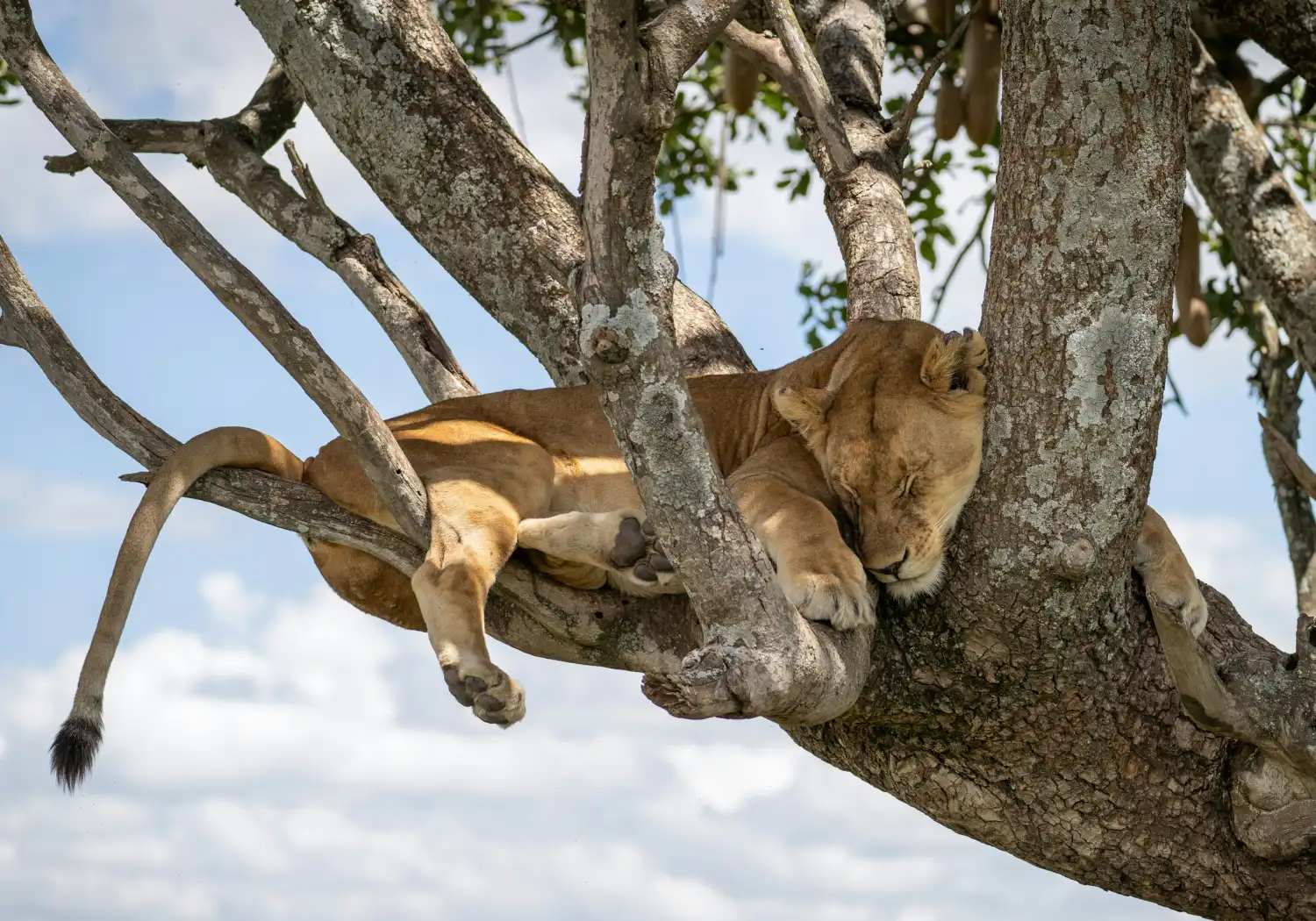
Seronera is the heart of the park. It has some of the best big cat viewing in Africa. Lions rest on rocky kopjes. Leopards climb the sausage trees. Wildlife is here all year, so it works for almost any trip.
Southern Serengeti and Ndutu
The southern plains are short-grass country. They are the calving ground for the migration. In February, hundreds of thousands of wildebeest calves are born within a few weeks. Predators gather to hunt them. As a result, this is one of the most dramatic times to visit.
Note that Ndutu itself lies just outside the park, in the Ngorongoro Conservation Area. It sits beside the park's southern border.
Western Corridor (Grumeti)
The Western Corridor follows the Grumeti River toward Lake Victoria. The herds cross the river here between about May and July. These crossings are usually quieter than those on the Mara River. In addition, the area is good for crocodiles and birds.
Northern Serengeti
The north is remote and less crowded. It is the best area from about July to October. This is when the herds cross the Mara River. The crossings happen around Kogatende and Lamai. They are dramatic, but they are hard to predict.
The Great Migration explained
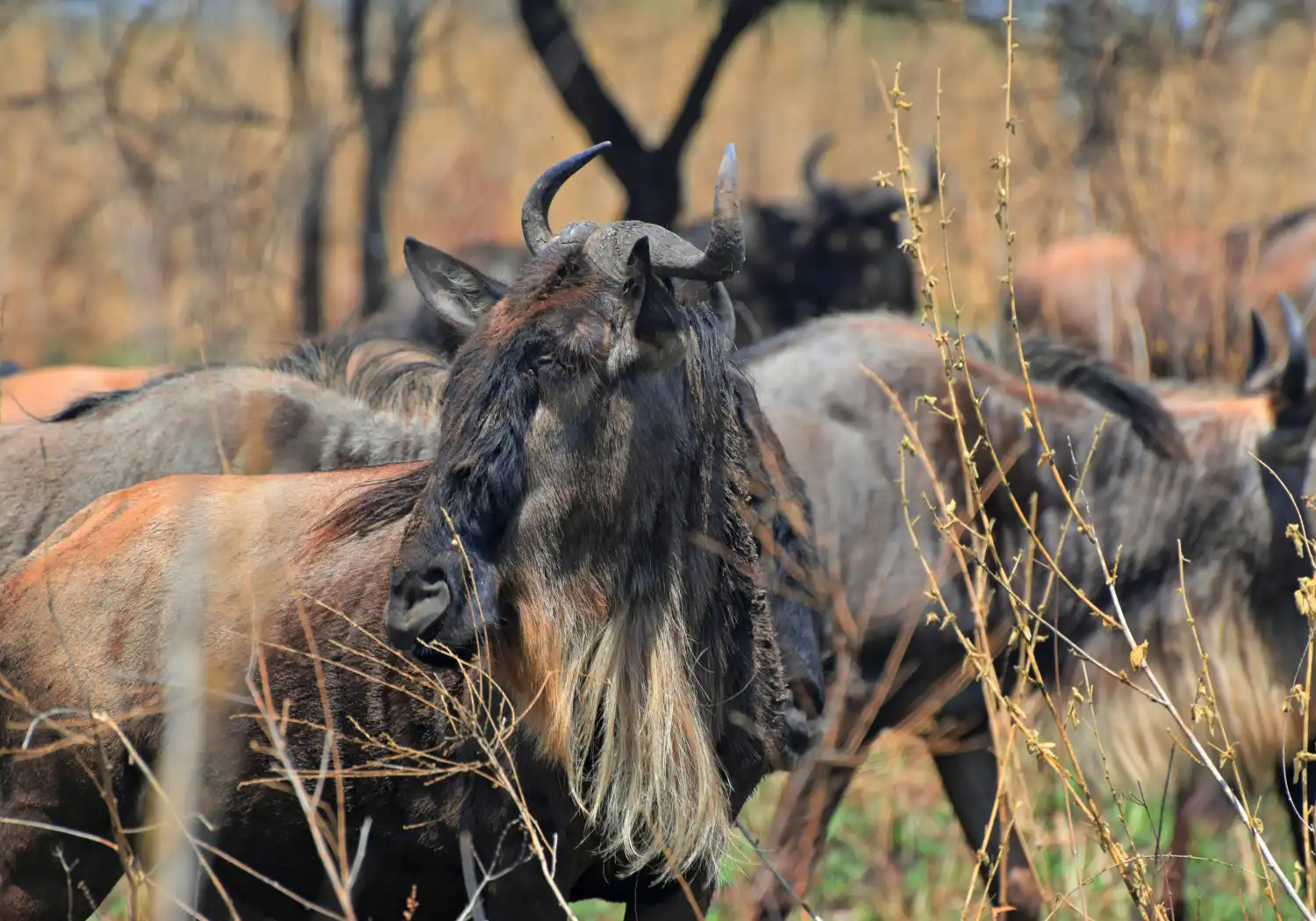
The Great Migration is a year-round circular journey. The herds follow the rains and fresh grass. They do not follow a fixed calendar. Because of this, the timings below are a guide only.
Months | Where the herds usually are | What you see |
|---|---|---|
January to March | Southern plains and Ndutu | Calving, newborns, hunting predators |
April to May | Central and western areas | Herds on the move, fewer visitors |
May to July | Western Corridor | Grumeti River crossings |
July to October | Northern Serengeti and Masai Mara | Mara River crossings |
November to December | Heading back south | Herds scatter as the short rains begin |
River crossings cannot be predicted by date. Weather and grass decide when the herds move. For this reason, build some flexibility into your plans.
Wildlife you can see
The Serengeti has a very high density of lions. You can also see:
- Leopard, especially around Seronera
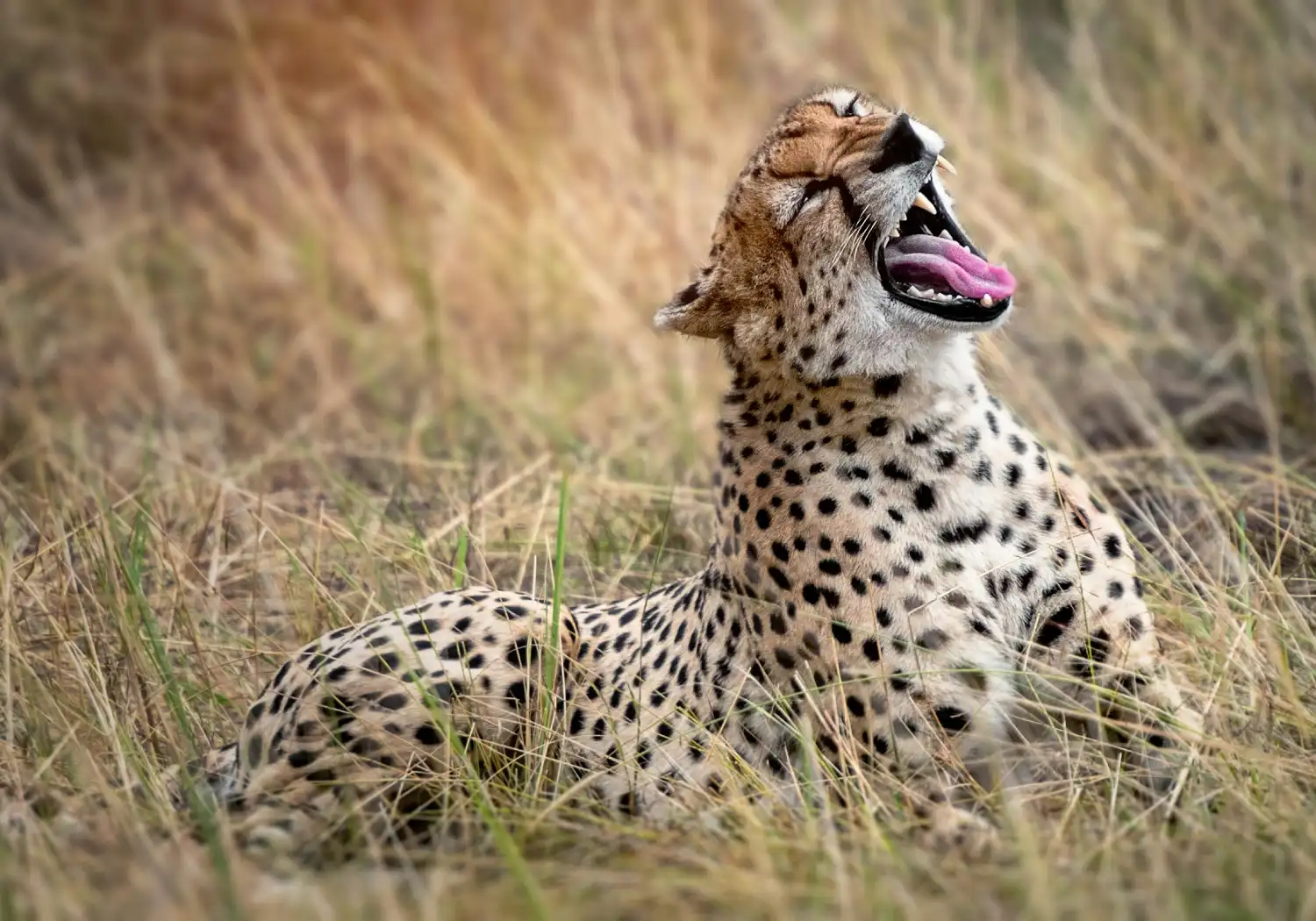
- Cheetah on the open plains
- African elephant
- Spotted hyena and jackal
- Giraffe, buffalo and hippo
- Nile crocodile at the river crossings
- Black rhino, which are rare and shy
- Hundreds of bird species, from ostrich to colourful rollers
Things to do in the Serengeti
- Game drives: the main activity, usually at dawn and late afternoon.
- Hot air balloon safaris: drift over the plains at sunrise, then enjoy a bush breakfast.
- Walking safaris: available in some private concessions outside the park.
- Night drives: offered in selected areas, with strict rules.
- Cultural visits: meet Maasai communities near the park.
Game viewing inside the national park is usually done from a vehicle, on the road network. Rules can differ in neighbouring concession areas.
Best time to visit the Serengeti
The Serengeti is a year-round destination. The right month depends on your goal.
- June to October: the dry season. Wildlife gathers near water, and viewing is easy. Mara River crossings usually happen from July to October.
- January to March: calving season in the south. Expect newborn animals and plenty of predator action.
- April and May: the long rains. The park is green and quiet, and lodge rates are often lower. Some roads can be muddy.
- November and December: the short rains. Herds spread out across the plains.
Peak months sell out early. Book your camps well ahead, especially for July to October and for February.
How to get to the Serengeti
There are two main options.
- By air: fly from Arusha in a light aircraft. You land at an airstrip such as Seronera, Kogatende, Kusini or Lobo. Flights save a lot of time.
- By road: drive from Arusha through the Ngorongoro area. The transfer takes about eight hours.
Most travellers fly one way and drive the other, or fly both ways. We help you choose the best route for your dates and budget.
Serengeti National Park Safari or Masai Mara Safari?
Both parks are part of the same ecosystem. Both are excellent. Here is how they differ.
Serengeti (Tanzania) | Masai Mara (Kenya) | |
|---|---|---|
Size | Much larger | Smaller and easier to cover |
Crowds | Spread out, quieter in the north and west | Busier at river crossings |
Best for | Long stays, calving season, remote areas | Short trips, Mara River crossings, easy access from Nairobi |
Access from Kenya | Needs cross-border planning or flights | Short flight or road trip from Nairobi |
If you have limited time, the Masai Mara is simpler. If you have more time, you can enjoy both. Our Kenya safari packages can be the starting point for a combined trip.
How much does a Serengeti safari cost?
Costs vary a lot. They depend on the season, camp style, flights and group size. Park fees and camp rates also change each year.
For an accurate price, request a quote. Tell us your dates and group size. We will build a full package.
Travel tips for a Serengeti National Park safari
- Book early. Good camps fill up months ahead.
- Stay flexible. Wildlife moves with the weather, not the calendar.
- Choose the right area. Match your camp to the migration, not just to the price.
- Allow enough time. Distances are long. Plan at least three to four nights.
- Pack light layers. Mornings are cool and afternoons are hot.
- Bring good binoculars and a zoom lens. They make a big difference.
- Check entry rules. Visa and health requirements depend on your nationality.
- Protect against insects. Ask a travel clinic about malaria prevention.
Plan your Serengeti safari with Olengugih Safaris
We design East Africa safaris around your interests and budget. Explore our Kenya safari packages or plan your safari. Tell us what you want to see. We will build the trip with you.
Frequently asked questions
Where is Serengeti National Park? It is in northern Tanzania. Its northern edge joins Kenya's Masai Mara National Reserve.
How big is the Serengeti? It covers about 14,750 square kilometres.
What is the Serengeti famous for? It is famous for the Great Migration, its big cats and its vast plains.
When is the best time to visit the Serengeti? June to October is best for dry-season game viewing. January to March is best for calving. July to October is the usual time for Mara River crossings.
When is the Great Migration in the Serengeti? The herds are in the Serengeti for most of the year. They move in a circle. The exact timing depends on the rains.
Can I combine the Serengeti with the Masai Mara? Yes. The two parks share a border and one ecosystem. Many safaris visit both.
How do I get to the Serengeti? Fly from Arusha to a Serengeti airstrip. Or drive for about eight hours through the Ngorongoro area.
How many days do I need in the Serengeti? We suggest three to four nights as a minimum. Longer stays let you explore more than one area.
Highlights
- The Great Migration brings some two million animals across the plains.
- Calving in February fills the southern plains with newborn wildebeest.
- Mara River crossings from July to October are dramatic and unmissable.
- Seronera Valley is the best place to see lions and leopards in action.
- Sunrise balloon flights drift silently over the plains at first light.
- The park’s sheer size makes each game drive feel very wild and remote.
Serengeti National Park map
Explore the location of Serengeti National Park and see how it fits into your Kenya safari journey.