
Horse Riding Safaris in Kenya for Beginners: What to Expect
Yes, you can ride a horse on safari in Kenya as a beginner. You do not need to be an expert. You do need to be comfortable in the saddle, willing to listen to your guide and happy to spend a few hours a day on a horse.
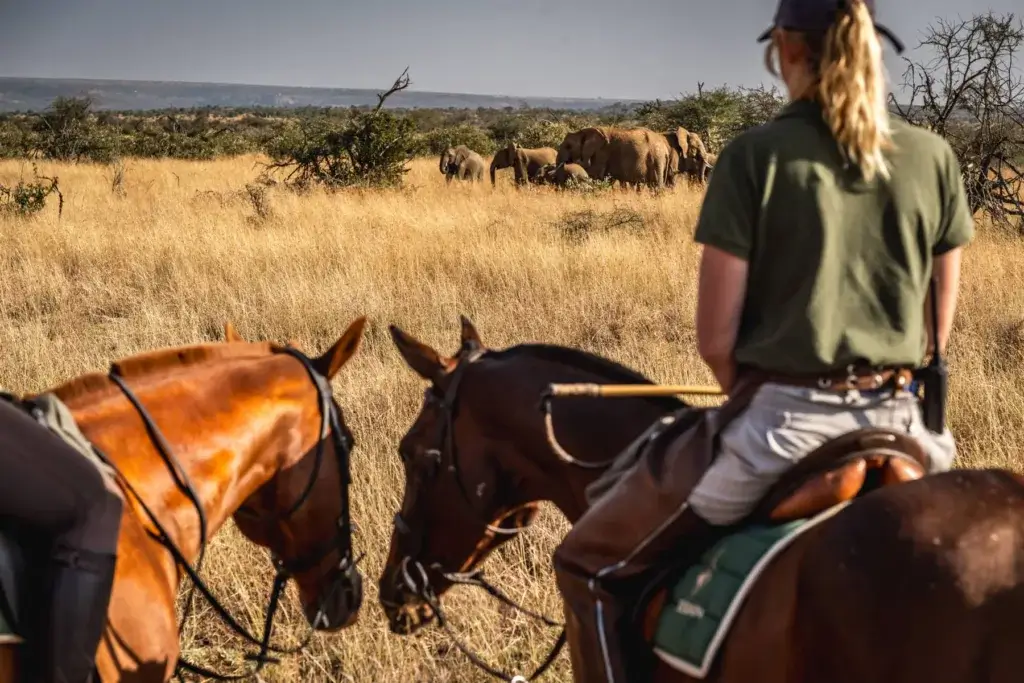
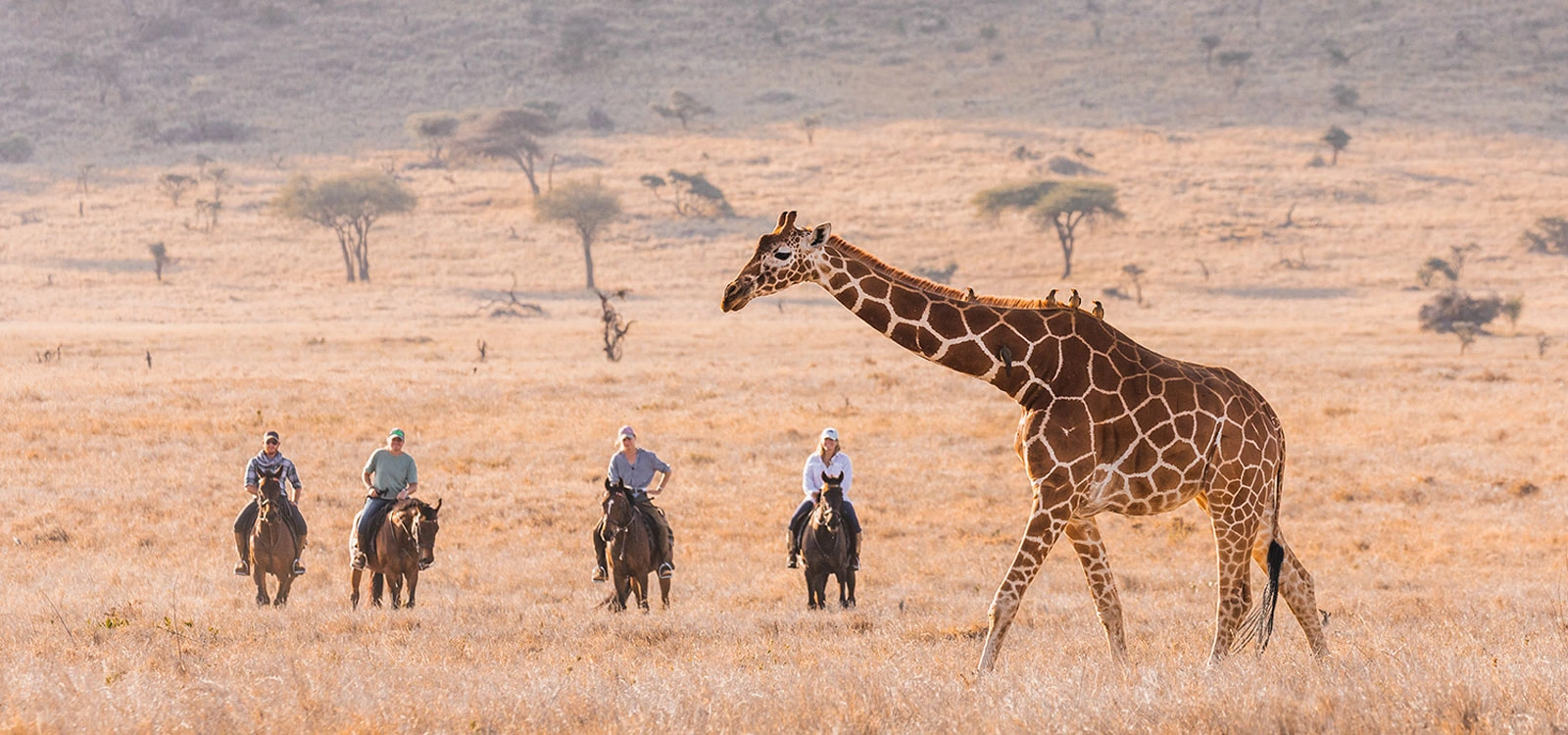
A horse riding safari in Kenya puts you at eye level with zebra, giraffe and eland. Horses move quietly, so animals often let you get closer than a vehicle would. Rides run across open plains, through conservancies and along rocky hills, with views of Mount Kenya or Kilimanjaro in the distance.
This guide is for first-timers. It explains what level of riding you need, where to ride, how a beginner day works, what to pack and how to stay safe.
Beginner horse riding safaris in Kenya at a glance
Question | Quick answer |
|---|---|
Can a beginner ride on safari? | Yes, at the right lodge and on the right ride |
Minimum riding skill | Comfortable at walk and trot, with a secure seat |
Canter | Often offered, never forced. You can stay at a trot |
Typical ride length | 2 to 4 hours, once or twice a day |
Minimum age | Usually about 12. Younger riders need experience |
Weight limit | Often about 90 to 95 kg. Check with the operator |
Best beginner areas | Laikipia, Chyulu Hills foothills and Lake Naivasha |
Best months | January to March and June to October |
Safety gear | Riding helmet and closed shoes or riding boots |
Can a complete beginner do a horse riding safari?
A true first-timer who has never sat on a horse should have a few lessons at home first. Safari is not the place to learn the basics. The terrain is uneven and the wildlife is real.
But you do not need years of experience. Most beginner-friendly lodges ask for three things:
- You can walk and trot with control.
- You can steer and stop your horse.
- You are fit enough to ride for a couple of hours.
Many stables also run a short arena check before you head out. A guide watches you ride and matches you with a calm horse. If you are not ready, they may offer a lesson first or a gentler ride.
Riders usually fall into three groups:
- Beginner: walk and trot, short rides, a guide close by.
- Intermediate: walk, trot and canter on open ground.
- Advanced: long days, fast canters and rough terrain, often on multi-day rides.
Be honest about your level when you book. A good match matters more than a long list of rides.
Where to go on a beginner horse riding safari in Kenya
Not every riding safari suits a first-timer. Some rides cross wild country and move fast. Others are gentle and flexible. These are the areas to look at first.
Area | Good for beginners? | What you ride past |
|---|---|---|
Laikipia (Borana and the Lewa-Borana landscape) | Yes. Separate beginner and advanced horses at some stables | Rhino, zebra, giraffe, elephant, views of Mount Kenya |
Yes. Relaxed rides for less experienced riders | Giraffe, zebra, eland, with Kilimanjaro behind | |
Lake Naivasha | Yes. Gentle, short rides | Giraffe, zebra, waterbuck, birds |
Masai Mara | Mostly no. Best for confident riders | Zebra, giraffe, elephant, lion, hippo |
Laikipia bush ranches with thick scrub | Not usually. Terrain needs careful riding | Elephant, buffalo |
Laikipia
Laikipia is the best all-round choice for a first riding safari. The land is open, the horses are well schooled and the conservancies are used to guests of every level. Some stables keep a beginner string and an advanced string, so you are matched to the right horse.
Chyulu Hills foothills
Here the rides are slower and the views are huge. Animals are used to horses, so you can often ride close to giraffe and zebra. Kilimanjaro rises behind them on clear mornings.
Lake Naivasha
Naivasha is a gentle introduction. Rides are short and the pace is easy. It is also close to Nairobi, so it suits a first or second day of a longer trip.
Masai Mara
The Mara is wild and exciting, but long rides and fast paces suit experienced riders. If you are a beginner, choose another area, or ride the Mara later once you have more hours in the saddle.
What a beginner ride looks like
A day on a horse riding safari follows an easy rhythm.
Time | What happens |
|---|---|
Early morning | Tea or coffee, then a short safety talk and horse matching |
Morning ride | 2 to 3 hours at walk and trot. Wildlife is most active now |
Midday | Lunch, rest, a swim or a game drive |
Late afternoon | An optional second ride, or a sundowner on foot |
Evening | Dinner and a chat about the next day |
Your guide leads the group and sets the pace. Most beginner rides stay at a walk and trot. If you feel ready, the guide may offer a short canter on open ground. You can always say no.
Horses are chosen for temperament. They are calm around other animals and used to the sights and smells of the bush. Saddles and stirrups are adjusted to fit you, and you can ask for changes at any time.
Expect to ride in a small group, often two to six people. Guides stop often to point out animals, birds and tracks. Rides are about wildlife and landscape, not speed.
Is a horse riding safari safe for beginners?
It is safe when you ride with a good operator and follow the rules. Riding always carries some risk, and wildlife adds more. Good guides manage both.
What keeps you safe:
- Experienced guides. They read animal behaviour and choose routes to avoid trouble.
- Habituated wildlife. In many areas, animals are used to horses and stay calm.
- Open terrain. Wide plains give you time and space to see what is ahead.
- Clear rules. Stay behind the guide, keep your horse in line and never approach animals on your own.
- A helmet. Most stables require one. Wear it every ride.
Some animals are riskier than others. Elephant, buffalo and rhino need distance and respect. If your guide asks you to turn or move, do it at once and without fuss.
Safety steps before you go:
- Be honest about your riding level and weight.
- Complete the rider form and sign the waiver.
- Buy travel insurance that covers horse riding and medical evacuation.
- Tell your guide about any injuries or health conditions.
What to wear and pack for a horse riding safari
Pack light and practical. Many stables lend helmets, chaps and boots, so ask before you buy anything.
Item | Why it matters |
|---|---|
Riding helmet | Required at most stables. Many lend one, or bring your own for fit |
Riding boots or closed shoes with a small heel | Keep your foot safe in the stirrup |
Long riding trousers or jodhpurs | Prevent rubbing on the inside of the knee |
Half chaps or chaps | Protect your lower leg. Often provided |
Neutral shirts in khaki, green or beige | Bright colours can unsettle wildlife |
Fleece or light jacket | Mornings are cool, especially on the highlands |
Wide-brimmed hat or cap under a helmet | Sun is strong near the Equator |
Sunscreen, lip balm, sunglasses | Protection at altitude and on open plains |
Padded riding gloves | Stop blisters from the reins |
Insect repellent | Useful in the evening |
Small day bag | For water, camera and a rain layer |
Leave jeans at home if you can. The thick seams rub on long rides. Bring a camera with a strap, and keep your phone zipped away.
How to prepare before you go
A little preparation makes the trip far more fun.
- Take lessons. Book four to eight lessons before you travel. Practise rising trot, steering and stopping. Learn to rise in time with the horse.
- Build leg strength. Squats, lunges and walking help. Your thighs and core do much of the work.
- Practise balance. Yoga or simple core exercises help you stay steady.
- Wear in your clothes. Try your riding trousers and boots on a short ride first.
- Learn the basics of horse care. Approach calmly, speak softly and never walk behind a horse.
To avoid soreness:
- Drink plenty of water.
- Stretch your hips and thighs after each ride.
- Use a cushioned seat pad if the saddle feels hard.
- Ride shorter on the first day and build up.
Ask your operator about riding days. A rest day or a game drive in between helps tired legs.
Best time to go and what it costs
Best time
Riding is possible most of the year, but dry months are easier and more comfortable.
Months | Season | What to expect |
|---|---|---|
January to March | Short dry season | Warm, clear days and firm ground |
April to May | Long rains | Green, quiet and muddy. Some rides pause |
June to October | Long dry season | Best riding weather and good wildlife viewing. Migration in the Mara from July |
November to December | Short rains | Fresh landscapes, brief showers, fewer guests |
For a first ride, choose June to October or January to March. Ground is dry, grass is shorter and animals gather near water.
What it costs
A horse riding safari costs more than a standard game-drive trip. You pay for the horses, stable staff, guides and a small group size.
Prices depend on:
- the lodge and the area
- the number of nights and rides
- group size and private rides
- the season
- park and conservancy fees
- transfers and flights
Most riding lodges price per person per night, full board, with rides included. Rates change each year, so ask for a current quote for your dates. We can build a beginner-friendly itinerary and price it for you.
Beginner mistakes to avoid
- Overstating your skill. A mismatched horse is uncomfortable and unsafe. Be honest.
- Booking a multi-day ride too soon. Start with two or three nights and short rides.
- Skipping lessons. A few hours at home saves aching legs on safari.
- Choosing the wrong area. Pick a beginner-friendly region, not the toughest ride.
- Packing the wrong shoes. Trainers and sandals are not safe in stirrups.
- Ignoring the weight limit. Limits protect the horse. Check yours early.
- Leaving out travel insurance. Make sure riding is covered.
- Forgetting a rest day. Mix riding with game drives or walks.
Frequently asked questions
Can beginners go on a horse riding safari in Kenya?
Yes. Beginners can ride at lodges that offer calm horses and gentle routes. You should be able to walk, trot and steer before you go.
Do I need to know how to canter?
No. Many beginner rides stay at a walk and trot. Cantering is optional, and your guide will only offer it when the ground and your confidence allow.
Where is the best place for a beginner horse riding safari in Kenya?
Laikipia is the strongest all-round choice. The Chyulu Hills foothills and Lake Naivasha are good gentle options too. The Masai Mara suits more experienced riders.
How long are the rides?
Usually two to four hours, once or twice a day. Beginners often ride one shorter session a day at first.
Is there a weight limit?
Most stables set one to protect the horses. It is often around 90 to 95 kg, but it varies by operator. Ask when you enquire.
What is the minimum age?
Many stables set it at about 12. Younger riders may join if they have the experience and wear a body protector.
Is it safe to ride near wild animals?
It is safe with an experienced guide and horses that are used to wildlife. Follow instructions and keep your distance from large animals.
What should I wear?
Long trousers, closed shoes or riding boots, a helmet, neutral colours and layers. Many stables lend helmets and chaps.
Can I ride and do game drives on the same trip?
Yes. Most riding lodges offer both. A mix is a good idea for beginners, as it gives your legs a rest.
When is the best time for a horse riding safari?
June to October and January to March are the best months. The ground is dry and wildlife is easier to find.
Do I need travel insurance?
Yes. Check that your policy covers horse riding and medical evacuation.
Can children go on a horse riding safari?
Older children with riding experience can. Younger children can usually enjoy lodge activities, walks and game drives instead.
Plan your first horse riding safari with Olengugih Safaris
New to riding? You are in the right place. Tell us your experience, your dates and your group, and we will match you with the right lodge, horses and guides. We can also add game drives, walks and a few days on the coast.
Contact Olengugih Safaris to plan a beginner-friendly horse riding safari in Kenya.