
Kenya is a country in East Africa, located along the eastern coast of the African continent. It borders Tanzania to the south, Uganda to the west, South Sudan to the northwest, Ethiopia to the north and Somalia to the northeast. Kenya also has a coastline along the Indian Ocean.
Nairobi is the capital city of Kenya and serves as the country's main business, cultural and tourism hub. Nairobi is also famous for its unusual combination of modern city life and wildlife. Nairobi National Park sits only a short distance from the city centre, creating one of the most distinctive urban safari experiences in Africa.
Kenya covers a remarkable range of landscapes. Visitors can explore savannah grasslands, mountains, forests, lakes, deserts, volcanic landscapes and tropical beaches. This geographical diversity makes Kenya suitable for wildlife safaris, hiking, bird watching, cultural experiences, beach holidays and adventure travel.
Where Is Kenya Located?
Kenya lies across the Equator, which passes through the central part of the country. Several destinations offer visitors the opportunity to stand directly on the Equator and experience one of Kenya's most popular geographical attractions.
Places near the Equator include Nanyuki, located near the foothills of Mount Kenya. Visitors can stop at the Equator crossing, take photographs and learn about the geographical significance of this imaginary line around the Earth.
Equatorial Kenya also offers spectacular scenery. Mount Kenya rises dramatically above the surrounding landscape, while the Great Rift Valley cuts through the country with mountains, escarpments, lakes and volcanic features.
Kenya's location also gives it access to the Indian Ocean. Coastal destinations such as Mombasa, Diani and Lamu combine beautiful beaches with Swahili culture, historic architecture and marine experiences.
Nairobi, Kenya's Capital City
Nairobi is often the starting point for a Kenya safari. Jomo Kenyatta International Airport connects the capital with international destinations, while domestic flights connect Nairobi with many safari destinations.
City attractions include the Nairobi National Museum, Karen Blixen Museum, Giraffe Centre and Nairobi National Park.
Few capital cities offer such easy access to wildlife. Nairobi National Park was established in 1946 and became Kenya's first national park. Today, it remains an important conservation area with more than 100 animal species and over 400 recorded bird species.
Visitors can enjoy a Nairobi National Park safari while seeing lions, rhinos, buffaloes, giraffes, zebras and numerous antelope species. Wildlife can be viewed against Nairobi's modern skyline, creating an experience that is difficult to find elsewhere.
Kenya Safari Experiences
A Kenya safari offers much more than simply driving through a national park. Every destination provides a different landscape, wildlife experience and atmosphere.
Game drives remain the most popular safari activity. Guests travel through wildlife areas with experienced guides who help identify animals, birds and interesting features of the ecosystem.
Early morning game drives are especially rewarding because many animals are active during the cooler hours. Afternoon and evening drives provide different opportunities to observe wildlife and changing landscapes.
Private safaris offer greater flexibility. Travellers can choose their departure times, spend longer observing wildlife and adjust their route according to their interests.
Kenya also offers walking experiences, bird watching, photography, cultural visits, horseback riding, nature experiences and conservation focused activities.
Famous National Parks and Wildlife Reserves in Kenya
Kenya has an extensive network of national parks, reserves and conservancies. Each area has its own character and wildlife highlights.
Maasai Mara National Reserve
Maasai Mara is one of Africa's most famous safari destinations. It is known for large populations of lions, leopards, cheetahs, elephants, buffaloes and other wildlife.
The reserve is also associated with the annual wildebeest migration, when huge herds move between the Mara and Serengeti ecosystems.
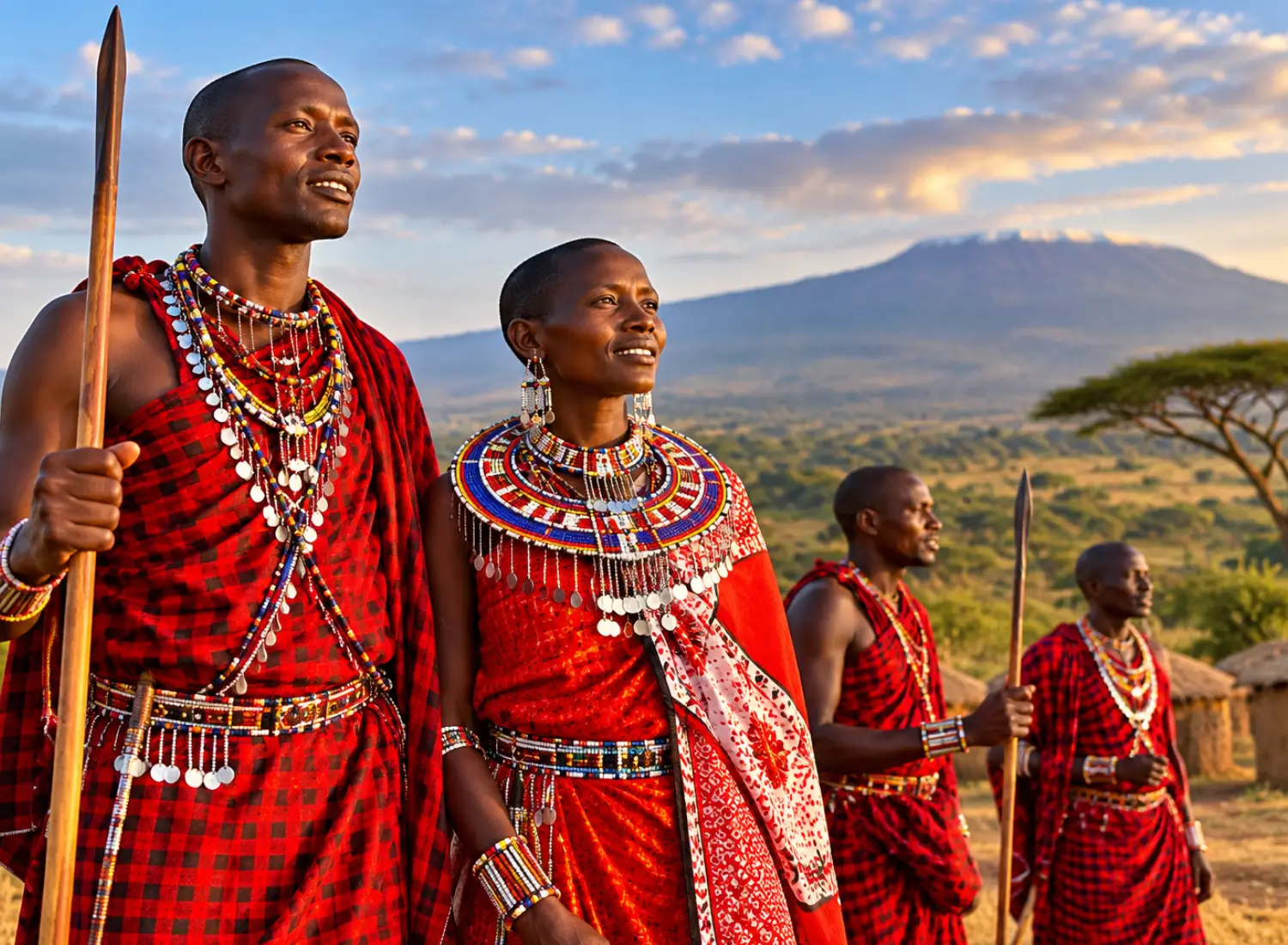
Beyond wildlife, visitors can experience Maasai culture, photography and spectacular savannah landscapes.
Amboseli National Park
Amboseli National Park is famous for its large elephant herds and spectacular views of Mount Kilimanjaro across the border in Tanzania.
Open plains, seasonal wetlands and dry landscapes create excellent opportunities for photography. Amboseli is particularly popular with travellers looking for close elephant encounters.
Tsavo East and Tsavo West National Parks
Tsavo forms one of Kenya's largest protected wildlife landscapes. Tsavo East National Park is known for vast open spaces, elephants and dramatic scenery.
Tsavo West National Park offers a more varied landscape featuring volcanic formations, springs, hills and wildlife habitats.
Tsavo also has an important role in Kenya's rhino conservation efforts. In December 2025, Kenya officially opened an expanded Tsavo West Rhino Sanctuary covering 3,200 square kilometres.
Lake Nakuru National Park
Lake Nakuru National Park lies within the Great Rift Valley. It is known for rhinos, Rothschild's giraffes, buffaloes, lions and diverse birdlife.
Lake Nakuru also provides a beautiful setting for photography, particularly when water levels and seasonal conditions create large concentrations of water birds.
Samburu National Reserve
Northern Kenya offers a very different safari experience. Samburu National Reserve is characterised by dry landscapes, rugged hills and the Ewaso Ng'iro River.
Visitors can encounter elephants, lions, leopards, giraffes and several species strongly associated with northern Kenya. Samburu also provides opportunities to experience the culture of the Samburu people.
Ol Pejeta Conservancy
Ol Pejeta Conservancy in Laikipia combines wildlife tourism with conservation. It is particularly recognised for its rhino conservation work and protection of endangered species.
Visitors can enjoy game drives while learning about wildlife protection, habitat management and conservation research.
Nairobi National Park
Nairobi National Park provides one of Kenya's most unusual safari experiences. Visitors can watch wildlife with Nairobi's skyline visible in the distance.
Its location makes it ideal for travellers with limited time, including visitors on a Nairobi layover or short city stay.
What Animals Can You See in Kenya?
Kenya is home to an impressive variety of African wildlife.
Safari visitors may encounter:
- Lions
- Leopards
- Cheetahs
- Elephants
- Black rhinos
- White rhinos
- Buffaloes
- Giraffes
- Zebras
- Hippos
- Wildebeest
- Hyenas
- Wild dogs
- Gazelles
- Antelopes
- Crocodiles
- More than 1,000 bird species
Wildlife sightings depend on location, season, weather and animal movements. No responsible safari can guarantee a particular animal sighting, but Kenya's diverse ecosystems provide excellent opportunities for wildlife viewing.
Kenya and Wildlife Conservation
Conservation forms an important part of Kenya's tourism story. National parks, national reserves and private conservancies protect important habitats while tourism helps support conservation and local economies.
Kenya has made significant progress in recovering some threatened wildlife populations.
Rhino conservation provides one of the clearest examples. Kenya's black rhino population fell from around 20,000 in the 1970s to fewer than 400 during the 1980s because of poaching. By the end of 2023, Kenya's estimated black rhino population had reached 1,004.
Recent conservation work has continued to expand suitable habitat. Kenya has used carefully planned rhino translocations to establish and strengthen populations in suitable areas.
Elephant conservation has also benefited from stronger anti poaching measures, improved monitoring, protected areas and the growth of conservancies. Kenya's National Elephant Action Plan records increased elephant populations alongside improvements in conservation technology, monitoring and protection.
Community conservation is another important part of Kenya's approach. Conservancies create additional protected landscapes while bringing communities into wildlife management and tourism. This can help create incentives for protecting wildlife outside traditional national parks.
Conservation challenges remain. Human wildlife conflict, habitat pressure, climate variability, poaching and the need for sustainable financing continue to require long term cooperation between government agencies, communities, conservation organisations and tourism operators.
What Makes Kenya a Unique Destination?
Kenya's greatest strength is its diversity.
Visitors can begin their journey in a modern capital city, enjoy a wildlife safari within hours, cross the Equator, explore the Great Rift Valley, climb Mount Kenya and finish their holiday beside the Indian Ocean.
Kenya also combines wildlife with culture. Maasai, Samburu, Swahili and many other communities contribute to the country's rich cultural identity.
Landscape diversity makes every safari different. One journey can include the open plains of the Maasai Mara, the elephants of Amboseli, the volcanic landscapes of the Rift Valley and the rugged wilderness of northern Kenya.
Wildlife conservation adds another important dimension. A safari is not simply about seeing animals. It can also introduce travellers to the people, organisations and conservation programmes working to protect Kenya's natural heritage.
Why Visit Kenya?
Kenya offers an exceptional combination of African wildlife, national parks, beaches, mountains, culture and conservation.
Whether you want to see the Big Five, watch elephants beneath Mount Kilimanjaro, explore the Maasai Mara, stand on the Equator, discover Nairobi or relax on the Indian Ocean coast, Kenya offers experiences for different types of travellers.
For first time visitors, a Kenya safari can provide an introduction to some of East Africa's most iconic landscapes and wildlife. For returning travellers, the country's many ecosystems offer countless opportunities to explore beyond the classic safari routes.
Kenya is more than a safari destination. It is a country where wildlife, landscapes, culture and conservation come together to create one of Africa's most diverse travel experiences.