Masai Mara Safari Guide: Everything You Need to Know Before Visiting
In this Masai Mara Safari guide, we explore everything you need to know before visiting the Masai Mara, including practical travel advice and tips for choosing the right safari package. The Masai Mara National Reserve is one of Africa’s most iconic wildlife destinations, attracting travellers from around the world with its breathtaking landscapes, incredible wildlife and unforgettable safari experiences.
Located in southwestern Kenya, the Mara is famous for its large populations of lions, elephants, cheetahs, leopards and other wildlife, as well as the spectacular Great Wildebeest Migration. Whether you are planning your first African safari, a romantic honeymoon, a family holiday or a luxury wilderness escape, visiting the Masai Mara offers an opportunity to experience nature at its most remarkable. From exciting game drives across the open savannah to peaceful evenings in a tented safari camp, every part of the journey can become a lasting memory. However, planning a successful safari involves more than choosing a destination. Understanding the best time to visit, accommodation options, transport arrangements, safari costs and available activities can help you make the most of your trip.
1. Where Is the Masai Mara?
The Masai Mara National Reserve is located in Narok County in southwestern Kenya, near the border with Tanzania. It forms part of the greater Mara–Serengeti ecosystem, an extensive landscape shared by Kenya and Tanzania that supports remarkable wildlife populations and seasonal animal movements.
The reserve is characterised by expansive grasslands, rolling hills, riverine forests and seasonal wetlands. These habitats support a diverse range of mammals and birds, making the Mara one of the most rewarding destinations for wildlife enthusiasts and photographers.
The Masai Mara can be reached from Nairobi by road or by domestic flight. Travelling by road allows visitors to appreciate Kenya’s countryside, while flying provides a quicker alternative for those who want to maximise their time in the reserve.
Travel times vary depending on the route, road conditions, weather and accommodation location. Before booking, confirm which gate or airstrip is most convenient for your selected camp or lodge.
2. Why Is the Masai Mara Famous?
The Masai Mara is internationally recognised for its exceptional wildlife, dramatic scenery and opportunities for close observation of animals in their natural habitats.
Incredible wildlife diversity
The reserve supports a wide variety of wildlife, including lions, leopards, cheetahs, elephants, buffaloes, giraffes, zebras, hyenas and several species of antelope. Hippos and crocodiles can also be found in suitable river habitats.
Wildlife sightings vary with the season, location and natural movements of animals, but the Mara offers excellent opportunities for observing a range of species during guided game drives.
The Great Wildebeest Migration
One of the Mara’s most famous attractions is the Great Wildebeest Migration. Every year, large herds of wildebeest and zebras move through the Serengeti–Mara ecosystem in search of fresh grazing and water.
During the migration season, parts of the Masai Mara may host enormous herds, creating opportunities to witness dramatic wildlife interactions and, sometimes, river crossings.
The exact timing of the migration depends on rainfall, grazing conditions and the movement of the herds. River crossings are unpredictable, and visitors should not expect them to happen on a particular day.
Exceptional wildlife photography
The open grasslands and diverse wildlife make the Masai Mara a favourite destination for photographers. Visitors can capture images of lions resting in the grass, elephants moving across the plains, cheetahs scanning the horizon and colourful birds perched among the trees.
Early mornings and late afternoons often provide beautiful natural light for photography.
Rich cultural heritage
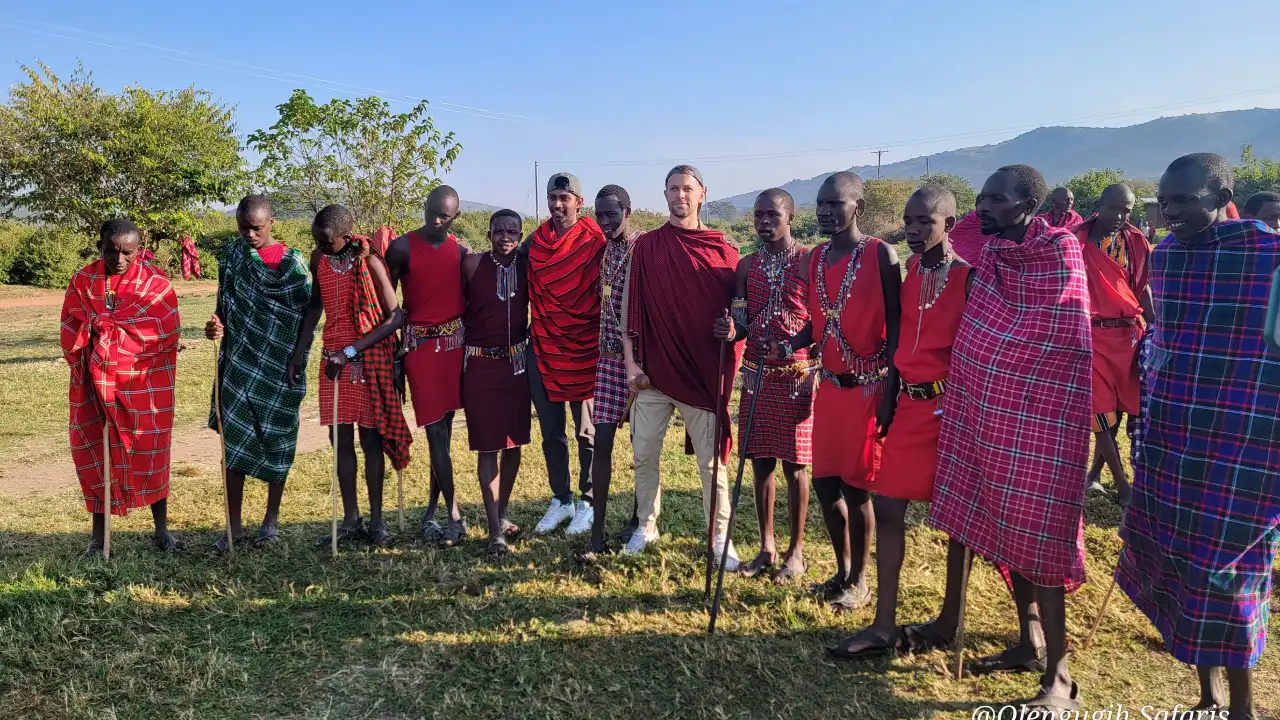
The Mara region is also associated with the Maasai people, whose cultural heritage, pastoral traditions and relationship with the landscape form an important part of the region’s identity.
Selected community tourism experiences allow visitors to learn about Maasai traditions, beadwork, livelihoods and local history. Choose respectful experiences that support local communities and recognise their role in deciding how their culture is shared.
3. What Animals Can You See on a Masai Mara Safari?
A safari in the Masai Mara offers opportunities to encounter many of Africa’s most recognisable animals.
The Big Five
The Big Five refers to the lion, leopard, elephant, buffalo and rhinoceros. The term originated in hunting history and is now widely used in wildlife tourism.
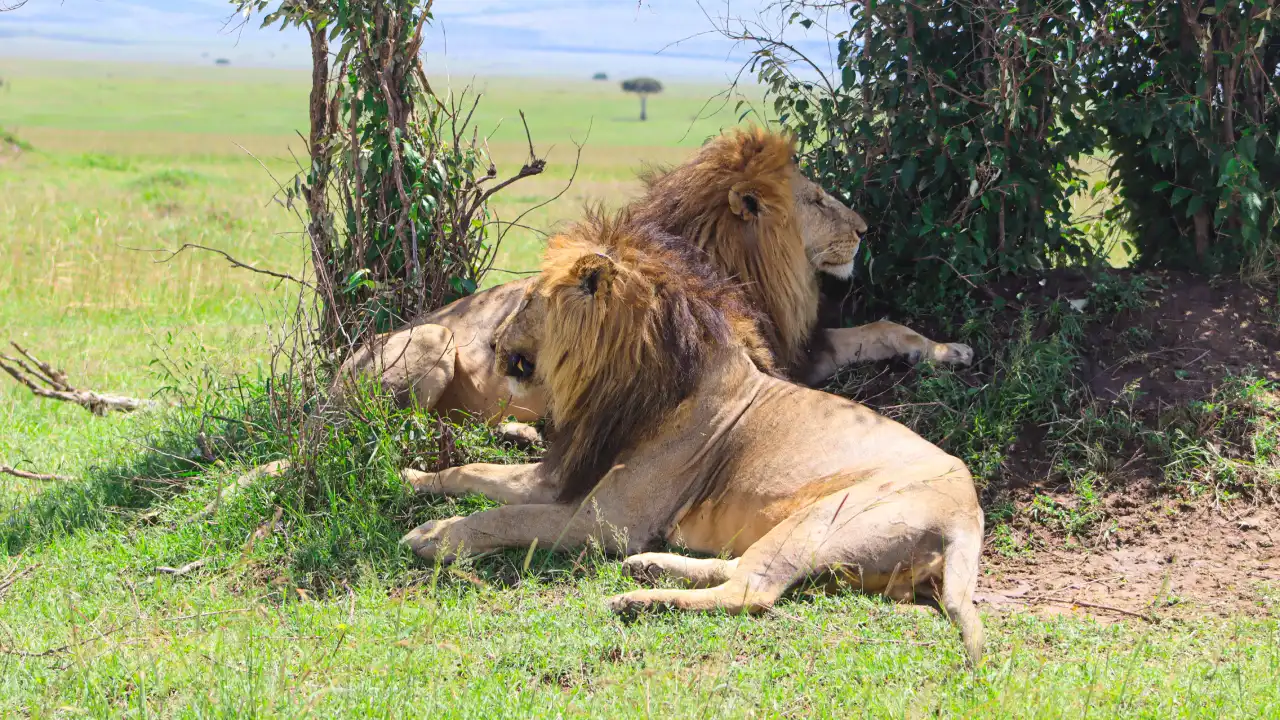
Lions: The Masai Mara is particularly well known for its lion populations. Visitors may see lions resting in the shade, moving through the grasslands or interacting with members of their pride.
Leopards: These elusive cats are often associated with riverine forests and areas with suitable trees and cover. Finding one may require patience and a knowledgeable guide.
Elephants: Elephants can be seen moving through the reserve and surrounding conservancies, feeding on vegetation and travelling in family groups.
Buffaloes: African buffaloes are frequently encountered in herds across suitable grassland and woodland habitats.
Rhinoceroses: Rhino sightings are less predictable than those of some other large mammals. The Masai Mara is not the easiest place to rely on for completing a Big Five checklist, so travellers with a particular interest in rhinos may consider adding a destination such as Ol Pejeta Conservancy.
Other remarkable wildlife
Beyond the Big Five, the Mara supports many fascinating species, including:
- Cheetahs, renowned for their speed and hunting abilities.
- Spotted hyenas, important predators and scavengers.
- Masai giraffes, often seen browsing on acacia trees.
- Plains zebras and blue wildebeest.
- Thomson’s and Grant’s gazelles.
- Topis, elands and other antelope species.
- Hippos and Nile crocodiles in suitable river habitats.
- Numerous bird species, including eagles, vultures, rollers and secretarybirds.
A good safari is not simply about ticking animals off a list. Take time to observe behaviour, listen to your guide and appreciate the relationships between species and their environment.
4. What Is the Best Time to Visit the Masai Mara?
The Masai Mara can be visited throughout the year, but different seasons offer different wildlife and travel experiences.
June to October: Popular wildlife-viewing season
These months are generally popular for safari holidays because conditions are often relatively dry and wildlife viewing can be rewarding.
The wildebeest migration may move into the Mara during this period, although its timing and location vary each year. July, August and September are frequently associated with migration-related travel, but no exact arrival or river-crossing date can be guaranteed.
Accommodation can be in high demand, so early booking is advisable if you plan to travel during these months.
November to December: Short rains and greener landscapes
The short rains often occur around November and December, although the weather varies from year to year.
The landscape can become greener, creating attractive conditions for photography. Birdwatching can also be rewarding, and some migratory bird species may be present.
Rain showers may affect road conditions, so travellers should allow some flexibility in their plans.
January to February: A quieter wildlife escape
January and February can offer warm conditions and productive wildlife viewing, depending on local rainfall and habitat conditions.
These months can appeal to visitors who prefer a safari outside the busiest migration-related travel period. Availability and pricing depend on the specific property and dates.
March to May: Long rains and lush scenery
The long rains commonly occur during March, April and May, although rainfall patterns are not fixed.
The scenery may be lush, and some accommodation providers offer seasonal rates. However, heavy rain can affect road access, travel times and certain activities.
This period can suit flexible travellers who appreciate greener landscapes and understand that weather may influence their itinerary.
So, when should you visit?
- For a chance to experience the Great Wildebeest Migration, consider the traditional migration season but remain flexible about wildlife movements.
- For general wildlife viewing, several months can be rewarding.
- For photography, consider the light, vegetation and weather conditions that best suit your interests.
- For potentially better accommodation rates, compare dates outside peak demand rather than assuming a particular month will always be cheaper.
5. How Many Days Should You Spend in the Masai Mara?
The ideal length of your stay depends on your budget, travel schedule and interest in wildlife.
Two-day Masai Mara safari
A two-day safari is suitable for travellers with limited time. It can include a journey from Nairobi, accommodation for one night and selected game drives.
However, road transfers take up a significant portion of a short itinerary, so a flying safari may be worth considering if your budget allows.
Three-day Masai Mara safari
A three-day safari is a popular option for first-time visitors. It generally allows time for travel, several game drives and a more relaxed experience than a one-night visit.
A typical itinerary may include an afternoon game drive on arrival, a full day exploring the reserve and a morning activity before departure, depending on travel arrangements.
Four- to five-day Masai Mara safari
A longer stay provides more opportunities to explore different areas, observe animal behaviour and enjoy a flexible pace.
It can be particularly rewarding for wildlife photographers, birdwatchers and visitors hoping to spend more time searching for specific species.
Six days or more
A longer holiday can combine the Masai Mara with nearby conservancies or other Kenyan destinations. Depending on your route, you could add Lake Nakuru, Lake Naivasha, Amboseli or a beach extension.
Allow enough time for transfers between destinations. A carefully planned itinerary is usually more enjoyable than attempting to visit too many places in a short period.
6. Where Should You Stay in the Masai Mara?
Accommodation plays a major role in shaping your safari experience. The Masai Mara region offers everything from affordable camps to high-end luxury retreats.
Budget camps and lodges
Budget accommodation suits travellers who want to manage costs while enjoying guided wildlife activities. Facilities vary, but may include comfortable rooms or tents, private or shared bathrooms, dining areas and organised game drives.
When comparing properties, check their exact location, room facilities, meal arrangements and the transport required to access the reserve.
Midrange safari camps
Midrange camps and lodges offer a balance between comfort and affordability. Many feature ensuite rooms or tents, restaurants, comfortable lounges and assistance with safari activities.
These properties can be suitable for couples, families and small groups seeking a comfortable safari without the expense of an exclusive luxury camp.
Luxury tented camps and lodges
Luxury properties may provide spacious tented suites, personalised service, high-quality dining and scenic views of the surrounding wilderness.
Depending on the property, guests may also enjoy private vehicles, guided walks in permitted areas, spa services, sundowners and other premium experiences.
Staying inside the reserve or in a conservancy
The location of your accommodation matters as much as its category.
Properties inside the reserve can offer convenient access to game drives, subject to the relevant park rules and entry arrangements. Camps in private or community conservancies may provide different experiences, depending on the conservancy's regulations and the activities it permits.
Before booking, confirm whether your property is inside the reserve, within a conservancy or outside the main protected areas. This affects travel time, access arrangements and potentially the activities available.
7. What Activities Can You Enjoy in the Masai Mara?
Game drives are the main attraction, but several other experiences can enrich your safari.
Guided game drives
Game drives take visitors through the reserve in search of wildlife. A professional guide helps identify animals, interpret behaviour and explain the ecology of the Mara.
Morning and afternoon drives are common, although schedules depend on the accommodation, package and reserve regulations.
Hot-air balloon safari
A hot-air balloon safari offers a different perspective of the Masai Mara, with views of the savannah and its wildlife from above.
Flights generally take place around sunrise and are weather-dependent. The experience usually costs extra and should be booked in advance, especially during busy periods.
Some packages include a celebratory breakfast after landing, but inclusions vary by operator.
Maasai cultural visits
A community visit can provide insight into local traditions, crafts, architecture, livelihoods and history.
Choose an experience arranged with the participation and consent of the community. Confirm the duration, activities and additional fees before booking.
Birdwatching
The Mara's diverse habitats support an impressive variety of birdlife. Visitors may encounter eagles, vultures, ostriches, rollers, storks and many other species.
Birdwatching is particularly rewarding for travellers who take their time and work with a guide who understands local bird habitats.
Sundowners in selected locations
Some camps offer sundowner experiences, where guests enjoy refreshments while watching the changing colours of the African landscape near sunset.
These activities must take place in permitted locations and according to local safety rules. Confirm whether they are included in your package.
8. How Much Does a Masai Mara Safari Cost?
The cost of a Masai Mara safari varies according to the season, accommodation, transport, number of travellers, length of stay and activities included.
Factors that affect the price
Accommodation: Budget camps, midrange lodges and luxury tented camps have different rates and service levels.
Transport: Road safaris and flying safaris have different cost structures. Private vehicles also affect the overall price.
Park and conservancy fees: Applicable charges depend on the visitor category, location, dates and current regulations. These should be confirmed before booking.
Meals: Packages may include breakfast only, half board, full board or other meal arrangements.
Optional experiences: Hot-air balloon flights, cultural visits and other activities may increase the total cost.
Group size: Sharing vehicle and guiding costs among several travellers may reduce the per-person price, depending on the package.
How to plan your safari budget
When requesting a quotation, provide your preferred travel dates, number of adults and children, accommodation preference and desired safari duration.
Ask the operator to clarify:
- Whether accommodation and meals are included.
- Whether park and conservancy fees are included.
- Whether transfers and game drives are included.
- Whether the price is per person or for the whole group.
- Which activities require an additional payment.
- The deposit, balance-payment deadline and cancellation conditions.
Comparing quotations on an equivalent basis will help you identify the option that offers the best value.
9. How Do You Get to the Masai Mara?
Travellers usually reach the Masai Mara from Nairobi by road or by domestic flight.
Travelling by road
A road safari allows you to see Kenya's changing landscapes and rural communities along the way. The journey commonly takes several hours, with the exact duration depending on the route, traffic, road conditions and your final destination.
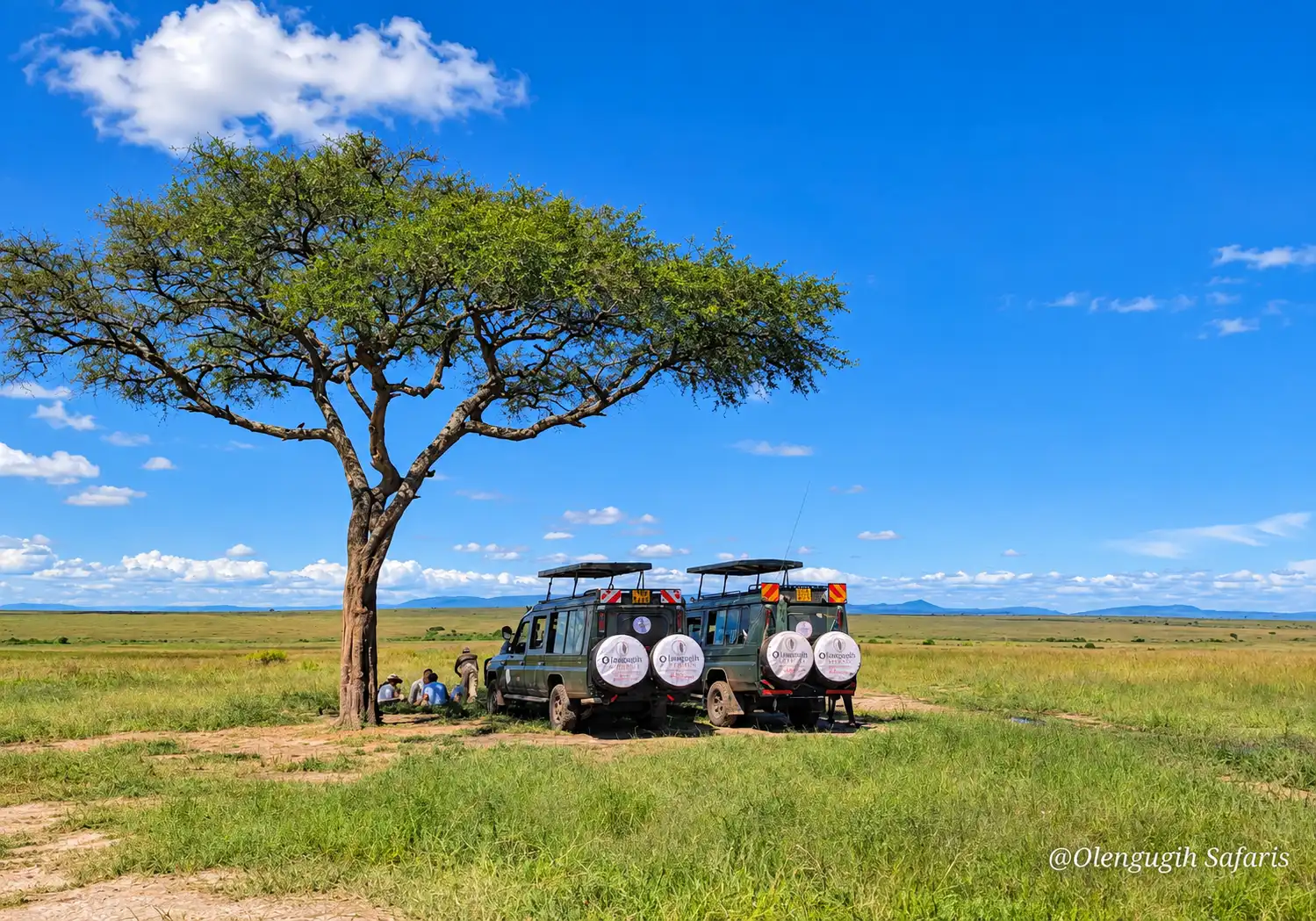
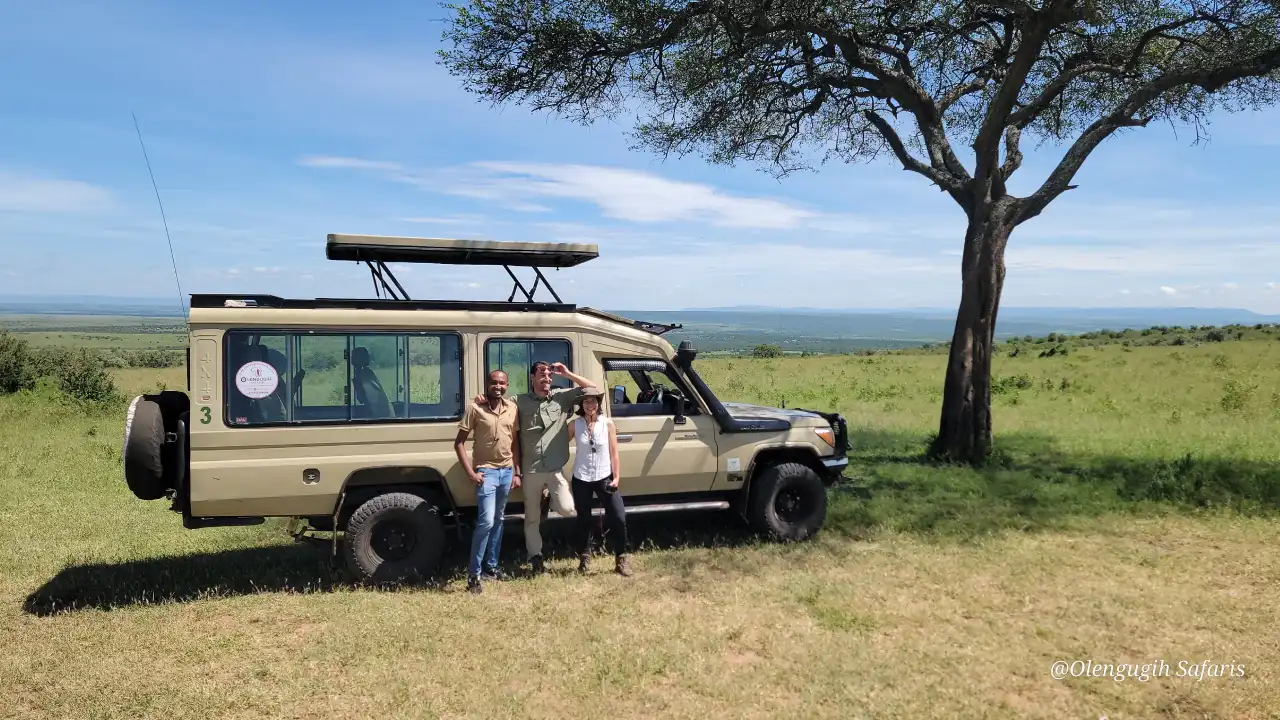
A suitable safari vehicle, such as a 4x4 Land Cruiser or an appropriate tour vehicle, can help you travel comfortably and access designated safari routes.
Before departure, confirm the pick-up time, expected travel duration, vehicle arrangements and the gate or accommodation where you will arrive.
Flying to the Masai Mara
Domestic flights connect Nairobi with selected airstrips serving the Masai Mara region and surrounding conservancies.
Flying reduces road travel time and can be especially convenient for shorter holidays or guests staying at remote camps.
However, the total journey also includes airport transfers, check-in time and transport from the destination airstrip to your accommodation. Small aircraft may have strict luggage limits, so check these before packing.
Which option is better?
Road travel may suit visitors seeking an overland adventure or a more budget-conscious itinerary. Flying may be preferable for travellers with limited time or those prioritising convenience.
The best option depends on your budget, accommodation location and onward travel plans.
10. What Should You Pack for a Masai Mara Safari?
Packing the right essentials will help you stay comfortable during early-morning game drives, warm afternoons and cooler evenings.
Consider bringing:
- Lightweight, breathable clothing.
- Neutral-coloured outfits suitable for wildlife viewing.
- A warm jacket or fleece for chilly mornings.
- Comfortable closed shoes.
- A wide-brimmed hat and sunglasses.
- Sunscreen and insect repellent.
- Binoculars for observing distant wildlife.
- A camera, spare batteries and charging equipment.
- Personal medication and basic toiletries.
- A reusable water bottle.
- Your passport, travel documents and booking details.
If you are taking a domestic flight, check the airline's baggage restrictions before packing. Soft-sided luggage may be required on certain small aircraft.
You should also confirm whether your accommodation provides laundry services, hairdryers, charging facilities and other amenities, as this can help you avoid unnecessary luggage.
11. Essential Travel Tips Before Visiting the Masai Mara
A little preparation can make your safari smoother and more enjoyable.
Book early during popular travel periods
Accommodation availability can be limited during peak holiday periods and the migration season. Booking in advance gives you a better choice of camps, room categories and transport arrangements.
Carry suitable identification and travel documents
International visitors should check Kenya's current entry requirements, passport validity rules and any applicable Electronic Travel Authorisation requirements before departure.
Keep your booking confirmations and emergency contact details accessible throughout your journey.
Follow your guide's instructions
Wild animals are unpredictable, even when they appear calm. Remain inside the vehicle unless your guide confirms that leaving it is permitted and safe.
Do not approach, feed or attempt to attract wildlife.
Prepare for changing weather
Temperatures can vary between early morning and midday. Rain can occur even during generally dry periods, so flexible clothing and a light waterproof layer may be useful.
Respect the environment
Avoid littering, respect protected areas and follow the reserve's rules. Responsible behaviour helps protect the wildlife and habitats that make the Mara special.
Be patient with wildlife sightings
Safari experiences depend on nature. Some animals are easy to find, while others may require extended searching. Enjoy the scenery, smaller species, birdlife and interactions between animals instead of focusing exclusively on the Big Five.
12. Masai Mara National Reserve vs Private Conservancies
When planning a safari, you may encounter accommodation and packages advertised as being in the Masai Mara, a conservancy or the wider Mara ecosystem. Understanding the difference is important.
Masai Mara National Reserve
The national reserve is a protected area with designated entry points, applicable entry fees and regulations governing wildlife activities.
It is well known for its open savannahs, large wildlife populations and migration-related experiences.
Private and community conservancies
Conservancies are managed areas that contribute to wildlife conservation, often through partnerships involving landowners, communities and tourism operators.
Activities and rules differ between conservancies. Some permit experiences such as guided walks or night drives under specific conditions, while others have different restrictions.
How should you choose?
Consider your wildlife interests, accommodation budget, preferred activities and the location of your camp.
A property marketed as a Masai Mara safari accommodation may be outside the national reserve itself. This does not automatically make it a poor choice, but you should understand the access arrangements, travel distances and applicable fees before confirming a booking.
A knowledgeable safari planner can help you select accommodation that fits your preferred experience.
13. Sample Three-Day Masai Mara Safari Itinerary
A three-day safari offers a rewarding introduction to the region for travellers who want to experience the Mara within a limited schedule.
Day 1: Nairobi to the Masai Mara
Depart Nairobi in the morning and travel towards the Masai Mara, allowing time for the journey and any planned stops.
Arrive at your camp or lodge, check in and have lunch if included in your package. Depending on your arrival time and the agreed schedule, enjoy an afternoon game drive.
Return to your accommodation for dinner and an overnight stay.
Day 2: Full-Day Wildlife Safari
After an early breakfast or a suitable morning departure, head into the reserve for a full day of wildlife viewing.
Explore different areas with your guide, looking for lions, elephants, giraffes, zebras, cheetahs and other animals. A picnic lunch may be arranged to allow more time in the field.
Return to your camp or lodge in the late afternoon. You may have time to relax, enjoy the camp facilities or participate in an optional activity, depending on your package.
Day 3: Morning Game Drive and Return to Nairobi
If your schedule and accommodation arrangements allow, enjoy a morning game drive or another wildlife-viewing activity.
Return to camp for breakfast and check out before beginning the journey back to Nairobi. Alternatively, take a domestic flight if it has been arranged as part of your itinerary.
This itinerary is an example. Actual departure times, game drives and activities depend on your accommodation, transport arrangements and reserve regulations. Travellers who want a slower pace or more opportunities for wildlife photography may prefer to stay for four days or longer.
14. Is the Masai Mara Suitable for Families and Honeymooners?
The Masai Mara can suit a wide range of travellers, provided the itinerary and accommodation are selected carefully.
Family safaris
Families can enjoy wildlife viewing, educational experiences and time together in nature. When travelling with children, consider accommodation with suitable family rooms, manageable transfer times and activities appropriate for their ages.
Check age restrictions for game drives, walking activities and any optional experiences before booking.
Honeymoon safaris
For couples, the Mara offers romantic settings, scenic landscapes and opportunities to enjoy private time in the wilderness.
A honeymoon itinerary might include a luxury tented camp, private game drives, a sundowner experience or a hot-air balloon safari. Some properties provide honeymoon amenities, subject to availability and their own policies.
Photography and wildlife enthusiasts
Photographers and wildlife enthusiasts may benefit from longer stays, flexible game drives and knowledgeable guides.
If you have a particular photographic goal, explain it before booking so the operator can recommend a suitable vehicle arrangement, accommodation and itinerary.
15. How to Choose the Right Masai Mara Safari Package
Choosing a suitable safari package involves balancing your interests, budget and available time.
Before making a booking, consider the following questions:
- How many days can you spend in the Masai Mara?
- Would you prefer budget, midrange or luxury accommodation?
- Do you want a private safari or a shared group experience?
- Would you rather travel by road or fly to the reserve?
- Are you particularly interested in the Great Wildebeest Migration, birdwatching, photography or general wildlife viewing?
- Do you want to include activities such as a hot-air balloon safari or a cultural visit?
- What is your total budget, including optional activities and personal expenses?
Review the proposed itinerary carefully. Confirm the accommodation names, room categories, meal plans, transport arrangements, applicable fees and activities before paying a deposit.
A good safari package should provide a realistic schedule and clear information about what is included, excluded and subject to availability.
Conclusion: Plan Your Masai Mara Safari with Confidence
A Masai Mara safari is an opportunity to experience one of Africa's most celebrated wildlife destinations. From the possibility of witnessing the Great Wildebeest Migration to observing lions across the savannah, exploring diverse habitats and learning about local cultural heritage, the Mara offers experiences that can stay with you for a lifetime.
The best safari is one that matches your travel dates, budget, interests and preferred style of accommodation. Choose your destinations carefully, allow enough time for wildlife viewing, book suitable transport and accommodation, and remain flexible because nature does not follow a fixed schedule.
Whether you are planning a short getaway, a family holiday, a honeymoon or an extended wildlife adventure, thoughtful preparation will help you enjoy your time in the Masai Mara.
Written by Morrin, safari specialist with Olengugih Safaris.