
The Ultimate Guide to Planning a Safari in Kenya
Kenya is one of Africa’s most remarkable safari destinations, offering vast savannahs, spectacular wildlife, beautiful landscapes and unforgettable cultural experiences. From the world-famous Maasai Mara to the elephant-rich plains of Amboseli and the rugged wilderness of Samburu, the country provides incredible opportunities to explore nature and experience Africa’s wild beauty.
Whether you are planning your first African adventure, a family holiday, a romantic honeymoon or a luxury wildlife escape, careful planning can help you make the most of your safari. This guide covers everything you need to know, from choosing destinations and the best time to visit to accommodation, transport, costs and practical travel tips.
1. Choose the Best Safari Destinations in Kenya
Kenya has a diverse range of national parks, national reserves and private conservancies. Each destination offers a different landscape, wildlife experience and style of safari. Your choice should depend on the animals you hope to see, the time available and the type of holiday you want.
Masai Mara National Reserve
The Masai Mara is one of Kenya’s most celebrated safari destinations, famous for its abundant wildlife, open grasslands and large populations of lions, elephants, cheetahs and other iconic African animals.
The reserve is particularly renowned for the Great Wildebeest Migration, when vast herds of wildebeest and zebras move through the Mara ecosystem as part of their annual migration. Dramatic river crossings can occur during the migration season, although sightings depend on natural conditions and animal movements.
Visitors can enjoy guided game drives, hot-air balloon safaris, birdwatching and selected cultural experiences. Accommodation ranges from affordable camps to luxurious tented lodges overlooking the wilderness.
Recommended stay: 3–4 days for a rewarding wildlife experience.
Amboseli National Park
Amboseli is famous for its large elephant herds and spectacular views of Mount Kilimanjaro, Africa’s highest mountain. Its open plains, wetlands and seasonal lakes attract a variety of wildlife and birds.
The park is an excellent choice for wildlife photography, particularly when elephants move across the plains against the backdrop of the mountain. It also combines well with other southern Kenya destinations.
Recommended stay: 2–3 days.
Lake Nakuru National Park
Lake Nakuru National Park offers a combination of woodland, grassland and lakeshore scenery. It is known for its rhinos, giraffes, buffaloes and diverse birdlife. Flamingo numbers vary with water conditions and food availability, so their presence in large numbers is not guaranteed.
The park is a convenient addition to a safari circuit through Kenya’s Great Rift Valley and can be combined with Lake Naivasha and the Maasai Mara.
Recommended stay: 1–2 days.
Ol Pejeta Conservancy
Located in central Kenya, Ol Pejeta Conservancy is a leading wildlife conservation destination known for its rhino protection programmes and diverse wildlife.
Visitors may encounter elephants, lions, zebras, giraffes and other species while learning about the conservation work that supports endangered animals. The conservancy offers a meaningful combination of wildlife viewing and environmental education.
Recommended stay: 1–2 days.
Samburu National Reserve
Samburu offers a distinctive safari experience in northern Kenya, with rugged landscapes, riverine forests and semi-arid terrain. It is known for several species often called the Samburu Special Five: Grevy’s zebra, reticulated giraffe, gerenuk, Somali ostrich and Beisa oryx.
The reserve is ideal for travellers looking for a different landscape from the southern savannah parks and an opportunity to explore northern Kenya’s unique wildlife.
Recommended stay: 2–3 days.
Tsavo East and Tsavo West National Parks
Together, Tsavo East and Tsavo West form one of Kenya’s largest protected wilderness areas. Tsavo East is known for its expansive plains and red-dust-covered elephants, while Tsavo West features more varied terrain, volcanic landscapes, springs and rocky hills. Both parks can be included in itineraries connecting Nairobi, southern Kenya and the coast. Recommended stay: 2–4 days, depending on the route and activities.
2. Decide When to Visit Kenya
Kenya is a year-round safari destination, but the experience changes with the seasons. Weather, vegetation, water availability and wildlife movements all influence what visitors may encounter.
Dry seasons
The generally drier periods, particularly from June to October and during parts of January and February, are popular for wildlife viewing. Shorter grass and animals gathering around available water sources can make spotting wildlife easier in many areas.
The June-to-October period is also associated with the Great Wildebeest Migration in the Maasai Mara ecosystem. However, the timing and location of the herds vary each year.
Rainy seasons
Kenya typically experiences long rains around March to May and short rains around October to December, although local conditions vary.
Rainy periods can bring lush scenery, excellent opportunities for landscape photography and favorable birdwatching conditions. Some lodges offer more competitive rates during quieter periods, but muddy roads and weather-related disruptions may affect travel.
When should you book?
For travel during popular holiday periods or the migration season, book accommodation and transport well in advance. This is especially important if you want a particular lodge, a luxury tented camp or a private safari vehicle.
If your priority is a specific wildlife experience, discuss your travel dates with a safari operator before making final arrangements.
3. Determine How Many Days You Need
The ideal safari length depends on your interests, budget and travel schedule. A short safari can provide wonderful wildlife encounters, while a longer itinerary allows you to explore different ecosystems without rushing between destinations.
Here are some common options:
- 2–3 days: A short safari to one destination, such as Amboseli or the Maasai Mara, depending on your starting point.
- 4–5 days: A more relaxed experience in one major reserve or a combination of nearby destinations.
- 6–8 days: A multi-destination itinerary covering places such as Amboseli, Lake Nakuru and the Maasai Mara.
- 9–14 days: An extended holiday combining several wildlife destinations, cultural experiences and possibly a beach stay.
- 15 days or more: A comprehensive East African adventure that may include Kenya and neighbouring countries, subject to travel logistics and entry requirements.
Avoid packing too many destinations into a short trip. Long road transfers can reduce time available for game drives, so a balanced itinerary is often more rewarding than attempting to visit every park.
4. Set Your Safari Budget
The cost of a safari in Kenya varies considerably depending on accommodation standards, the number of travellers, transport arrangements, park and conservancy fees, season and activities.
Budget safaris
Budget safaris generally use economical accommodation, shared transport where available and practical itineraries. They can be a good option for travellers who want to experience Kenya’s wildlife while managing costs.
Midrange safaris
Midrange safaris offer a balance between comfort and affordability. Accommodation may include comfortable lodges, permanent tented camps and properties with private bathrooms, restaurants and organised game drives.
Luxury safaris
Luxury safaris typically feature premium tented camps or lodges, personalised service, high-quality dining and carefully arranged activities. Depending on the property and package, guests may also enjoy private vehicles, scenic flights, spa treatments and exclusive conservancy experiences.
What affects safari prices?
When requesting a safari quotation, consider the following cost components:
- Accommodation and meal plans.
- Park entry and conservancy fees.
- Safari vehicle hire and professional guiding.
- Road transfers or domestic flights.
- Optional activities, such as hot-air balloon safaris.
- Cultural visits and other excursions.
- Travel insurance and personal expenses.
Ask for a clear breakdown of what is included and excluded. Also confirm whether the quotation is based on the number of travellers, resident or non-resident rates, room occupancy and travel dates.
The cheapest package is not always the best value. Compare the quality of accommodation, time spent in the reserve, included activities and transport arrangements before making a decision.
5. Choose the Right Safari Accommodation
Accommodation is an important part of your safari experience. Kenya offers everything from simple campsites and budget lodges to elegant tented camps and exclusive luxury retreats.
Safari lodges
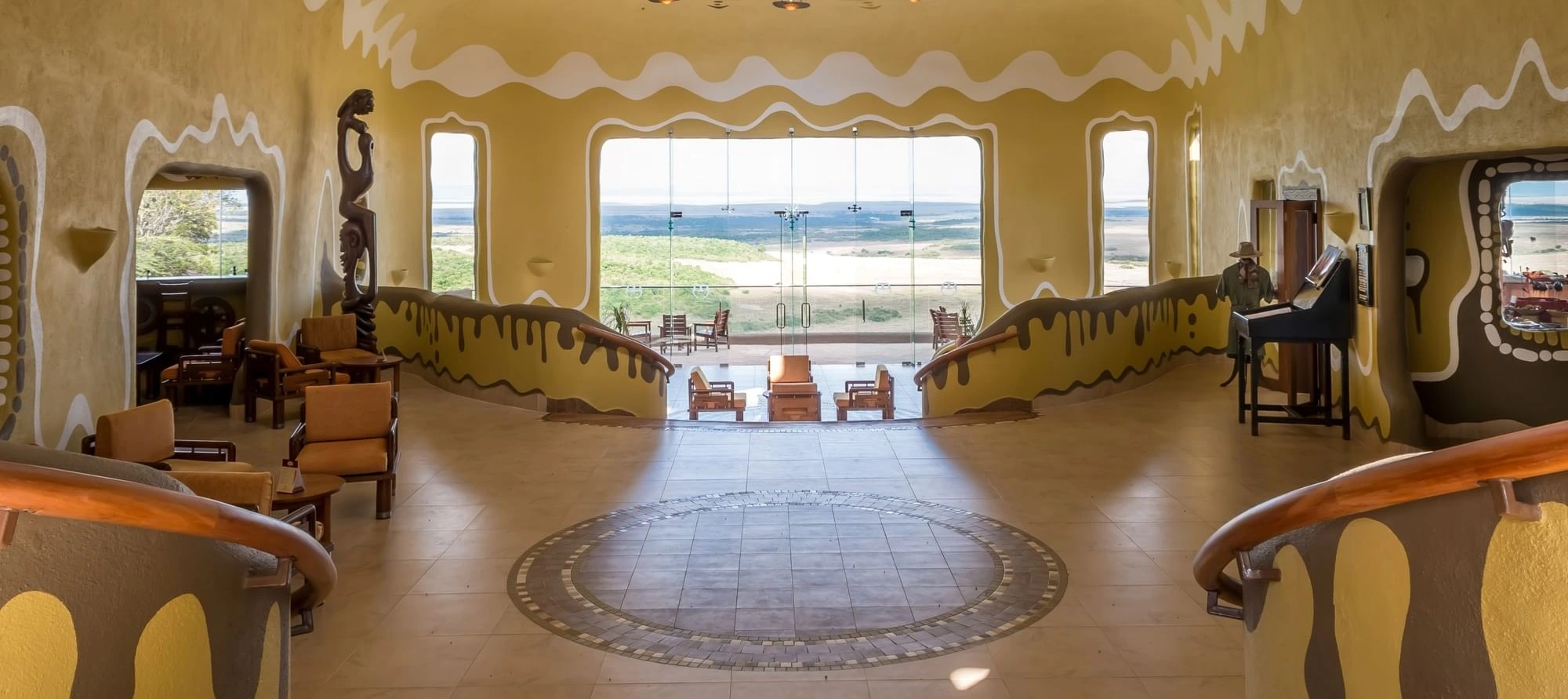
Safari lodges are permanent properties that often feature solid buildings, restaurants, lounges and a range of guest facilities. Some have swimming pools, landscaped grounds and views of the surrounding wilderness.
They are suitable for travellers who prefer conventional hotel-style comfort while remaining close to wildlife areas.
Tented camps
Tented camps provide a closer connection to the natural environment. Depending on the property, tents may include comfortable beds, private bathrooms, hot showers and furnished verandas.
Some camps are located inside reserves or private conservancies, allowing convenient access to wildlife-viewing areas.
Budget camps and guesthouses
Budget accommodation can be suitable for independent travellers, backpackers and guests prioritising wildlife activities over luxury facilities. The level of comfort and location varies, so check the exact property details before booking.
How to select your accommodation
Before confirming your stay, consider:
- Location in relation to the park gates or wildlife-viewing areas.
- Room category and bedding arrangements.
- Meal plans and dietary requirements.
- Availability of hot water, electricity and Wi-Fi.
- Family facilities and accessibility needs.
- Included game drives and other activities.
- Cancellation conditions and seasonal rates.
The right accommodation should match your itinerary, budget and preferred level of comfort.
6. Decide Between a Road Safari and a Flying Safari
Both road and flying safaris offer memorable ways to explore Kenya, but they suit different travel styles.
Road safaris
Road safaris are popular with travellers who enjoy scenic journeys and exploring the countryside. They offer opportunities to see rural towns, changing landscapes and local communities along the way.
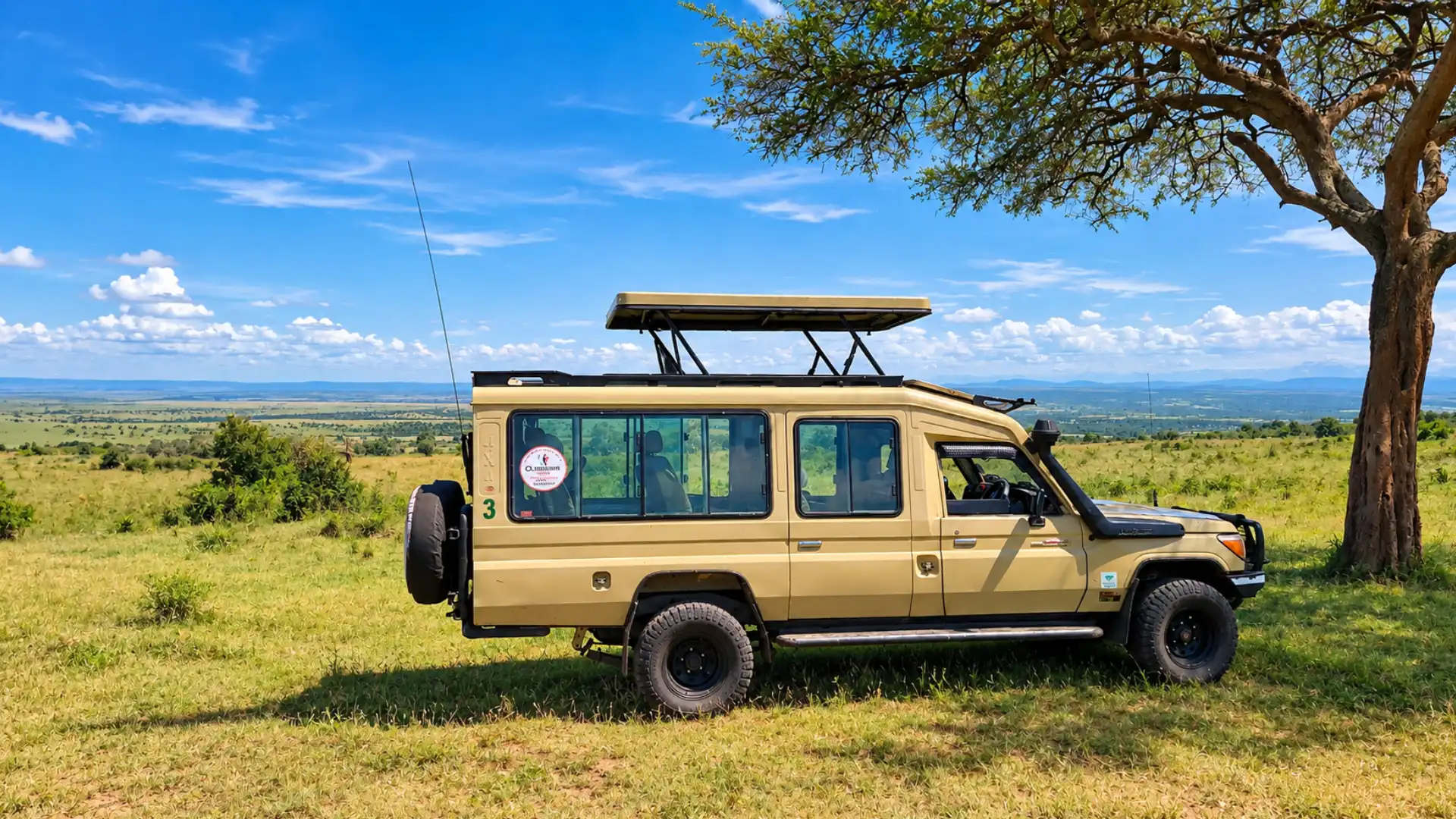
A 4x4 safari vehicle or suitable tour vehicle can provide a comfortable way to reach many destinations. Travel times depend on the route, road conditions, weather and traffic.
Road safaris are often suitable for families, private groups and travellers seeking flexibility.
Flying safaris
Flying safaris use scheduled or charter flights to reach selected airstrips near parks and conservancies. They can reduce long road transfers and maximise time at the destination.
Flying may be particularly appealing for luxury holidays, shorter itineraries and travellers who prefer to spend more time on game drives than travelling between parks.
However, flights can increase the overall cost and may have luggage restrictions. Transfers between airstrips and accommodation must also be arranged.
Which should you choose?
Choose a road safari if you want a more immersive overland journey and flexibility in your route. Consider a flying safari if time is limited or you are visiting remote camps. Some itineraries combine both options.
7. Know What to Pack for Your Safari
Packing appropriately helps you stay comfortable during early-morning game drives, warm afternoons and cooler evenings.
Essential items include:
- Lightweight, breathable clothing in neutral colours.
- A warm jacket or fleece for chilly mornings.
- Comfortable walking shoes.
- A wide-brimmed hat and sunglasses.
- Sunscreen and insect repellent.
- Binoculars for viewing distant wildlife.
- A camera, spare batteries and charging equipment.
- Personal medication and basic toiletries.
- A reusable water bottle.
- Travel documents and copies of important reservations.
Neutral clothing can help you blend into the surroundings during wildlife activities, although comfort and weather protection are more important than any particular colour.
Avoid excessive luggage, especially when travelling on small aircraft with strict baggage limits. Check the operator's requirements before departure.
8. Understand Safari Activities
A safari is about more than spotting animals from a vehicle. Depending on the destination and the property, visitors can enjoy a variety of experiences.
Game drives
Game drives are the main activity in many safari destinations. Accompanied by a trained guide, visitors explore wildlife habitats in search of animals and learn about their behaviour, ecology and conservation.
Early mornings and late afternoons are often productive times for wildlife viewing, although sightings are never guaranteed.
Hot-air balloon safaris
In selected locations, including the Masai Mara & Amboseli, hot-air balloon safaris provide an aerial perspective of the landscape. Flights usually take place around sunrise and are weather-dependent. They are commonly offered at an additional cost.
Birdwatching
Kenya supports remarkable bird diversity, making it attractive to both beginner and experienced birdwatchers. Different habitats, from wetlands and forests to open grasslands, support different species.
Cultural experiences
Selected communities offer cultural visits where guests can learn about local traditions, crafts, livelihoods and history. Choose responsible experiences that respect community consent, cultural practices and photography preferences.
Guided nature walks
Some conservancies and properties offer guided walks led by appropriately qualified guides. Availability and rules vary by location, and walking activities are subject to safety restrictions.
Always follow your guide's instructions and maintain a respectful distance from wildlife.
9. Prepare Your Travel Documents and Health Essentials
Before travelling to Kenya, confirm the current entry requirements for your nationality and itinerary.
International visitors should check passport validity, applicable Electronic Travel Authorisation (eTA) requirements or exemptions, and any other immigration rules that apply to their circumstances. Requirements can change, so consult official Kenyan immigration sources before departure.
Travel insurance is also worth considering, particularly for trips involving remote destinations, domestic flights or adventure activities.
For health preparation, seek advice from a qualified travel-health professional well before departure. Recommendations may depend on your travel history, itinerary and medical circumstances. Ask about relevant vaccinations, mosquito-bite prevention and any destination-specific precautions.
Carry necessary medication in its original packaging, and confirm whether your accommodation or travel arrangements can accommodate any specific needs.
10. Practise Responsible Safari Tourism
Kenya's wildlife and natural landscapes are among its greatest assets. Responsible tourism helps protect these environments while supporting the communities that live alongside them.
As a visitor, you can make a positive contribution by following a few simple principles:
- Maintain a safe and respectful distance from wildlife.
- Never feed wild animals or encourage guides to disturb them for photographs.
- Follow park rules and your guide's instructions.
- Avoid littering and minimise single-use plastics.
- Respect local customs and seek permission before photographing people.
- Choose reputable operators and accommodation providers that demonstrate responsible practices.
- Support locally owned businesses and community-based tourism initiatives where possible.
Wild animals are unpredictable, and their welfare must always come before obtaining a photograph or a close encounter.
11. Common Mistakes to Avoid When Planning a Safari
Even a well-intentioned trip can become stressful if important details are overlooked. Avoid these common mistakes when organising your Kenyan safari.
- Trying to visit too many destinations: Excessive driving can leave little time for wildlife viewing. Select a realistic route based on your available days.
- Booking accommodation without checking the location: A property may be described as being near a famous reserve but still require substantial travel to reach key wildlife-viewing areas. Confirm its location and the applicable entry arrangements.
- Assuming wildlife sightings are guaranteed: Kenya has exceptional biodiversity, but no responsible operator can promise that you will see every animal on your list.
- Overlooking extra costs: Confirm whether park fees, conservancy fees, drinks, optional activities, transfers and gratuities are included in the package price.
- Leaving bookings until the last minute: Popular camps can fill up during peak travel periods. Early reservations provide a wider choice of accommodation and room categories.
- Ignoring travel times: A route that looks short on a map may take longer because of road conditions, weather and traffic. Build flexibility into your itinerary.
12. Sample Seven-Day Kenya Safari Itinerary
If you have one week available, a multi-destination safari can introduce you to several of Kenya's contrasting landscapes and wildlife habitats.
Day 1: Arrival in Nairobi
Arrive in Nairobi, transfer to your accommodation and rest after your journey. Depending on your arrival time, you may have the opportunity to explore selected city attractions.
Day 2: Nairobi to Amboseli National Park
Travel to Amboseli and check in at your lodge or camp. Depending on your arrival time, enjoy an afternoon game drive in search of elephants, giraffes, zebras and other wildlife.
Day 3: Explore Amboseli
Enjoy morning and afternoon wildlife-viewing opportunities. If weather conditions permit, you may see Mount Kilimanjaro rising above the surrounding plains.
Day 4: Amboseli to the Lake Nakuru area
Travel towards the Great Rift Valley and Lake Nakuru region. Depending on the selected route and departure time, much of the day may be spent on the road.
Day 5: Lake Nakuru to the Maasai Mara
Enjoy a morning activity if your schedule permits, then continue towards the Maasai Mara. Arrive at your selected camp or lodge and prepare for the following day's game drives.
Day 6: Full-day Maasai Mara safari
Spend the day exploring the reserve or an appropriate conservancy with a professional guide. Look for lions, elephants, cheetahs, buffaloes, giraffes and other wildlife. A picnic lunch may allow you to spend more time in the field.
Day 7: Return to Nairobi
Depending on your onward travel plans, return to Nairobi by road or take a suitable domestic flight from the Mara region.
Important planning note: This is an illustrative route rather than a fixed schedule. The journey includes substantial road transfers, particularly between Amboseli, Lake Nakuru and the Maasai Mara. Actual travel times depend on the route, road conditions and stops. For a more relaxed holiday, consider spending additional nights at each destination or removing one stop.
13. Why Book Your Safari with a Professional Tour Operator?
Planning a safari involves coordinating accommodation, transport, park access, guides, meals and activities. A professional tour operator can help bring these elements together into a practical itinerary that matches your travel needs.
Working with an experienced operator can help you:
- Select suitable destinations based on your interests.
- Compare accommodation options and room categories.
- Arrange safari vehicles, transfers and domestic flights where required.
- Coordinate park visits and optional activities.
- Understand package inclusions, exclusions and payment terms.
- Adjust your itinerary to suit your budget, group size and travel dates.
A tailor-made safari is especially useful for families, honeymooners, photographers and travellers with particular interests in wildlife or conservation.
Before confirming a booking, review the itinerary, accommodation details, cancellation terms and payment schedule so that you understand the arrangements.
Conclusion: Start Planning Your Kenyan Safari
A safari in Kenya offers the chance to experience remarkable wildlife, explore diverse landscapes and learn about the natural and cultural heritage of East Africa. Whether you dream of watching elephants beneath Mount Kilimanjaro, exploring the Maasai Mara's vast plains or discovering the distinctive wildlife of Samburu, the right itinerary can make your journey unforgettable.
The key is to plan around your interests, available time and budget. Choose destinations carefully, book suitable accommodation, prepare for the weather and allow enough time to enjoy each location.
Ready to explore Kenya? Olengugih Safaris can help you plan a tailor-made safari with suitable destinations, accommodation and transport arrangements based on your preferred travel dates, group size and budget. Contact our team to begin planning your next African adventure.