
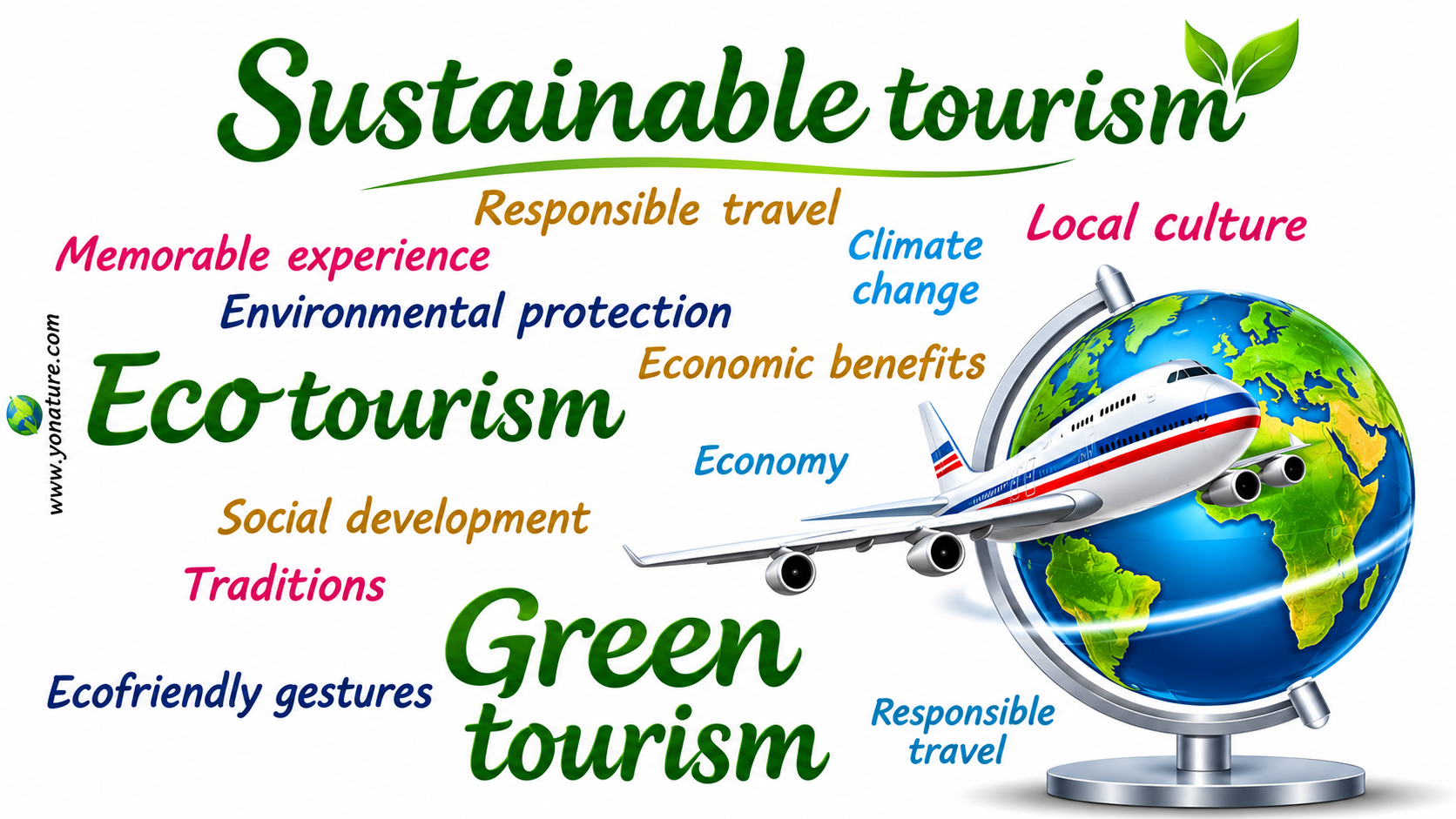
Sustainable Tourism in Kenya
Sustainable tourism in Kenya protects wildlife and landscapes. It supports local people and keeps tourism viable for future generations. You can help by choosing responsible operators, cutting plastic and spending locally.
Last updated: 18 November 2026
Sustainable tourism in Kenya at a glance
- Definition: tourism that considers its economic, social and environmental impacts, now and in the future.
- Three dimensions: environmental, economic and socio-cultural.
- Where it works best: lodges, camps and conservancies that run on solar power, recycle waste and employ local people.
- What you can do: carry a reusable bottle, save water, respect local cultures and book locally.
- Our commitment: Olengugih Safaris gives guests steel water bottles, supports conservation and joins park clean-ups.
- Best choices: small groups, community-led experiences and conservation-based safaris.
What is sustainable tourism?
Sustainable tourism, also called responsible tourism, takes full account of its present and future impacts. It looks at the economy, society and the environment. It serves visitors, the industry, the environment and host communities.
UN Tourism, formerly the World Tourism Organization, says sustainable tourism should do three things:
- Make the best use of environmental resources.
- Respect the culture of host communities and protect their heritage and values.
- Provide long-term economic benefits to everyone involved.
The three dimensions
Dimension | What it covers | Benefits and risks |
|---|---|---|
Environmental | Wildlife, forests, rivers, mountains, farmland and buildings | Protects nature, but crowds and waste can harm it |
Economic | Jobs, income, infrastructure and investment | Creates work, but jobs can be seasonal and low paid |
Socio-cultural | Local traditions, heritage and community life | Builds understanding, but change is slow and hard to reverse |
The social effects of tourism build slowly. They are often invisible and hard to undo. That is why respect for local cultures matters from the first day.
How lodges and camps make Kenya safaris more sustainable
Lodges and camps do a lot for local communities. They provide jobs and training. They also start income-generating enterprises. In places under pressure, such as the Masai Mara, many camps have banned firewood. Some have built wetlands that recycle wastewater naturally.
Energy: solar power and fuel briquettes
Many hotels and lodges outside the cities now invest in renewable energy. Solar power is the favourite for electricity and water heating. Kenya has also made gains in recycling organic waste into fuel briquettes. Briquettes replace firewood for cooking and heating. Women's groups make them and sell the surplus to safari camps. This helps protect the remaining forests.
Waste: reduce, separate, recycle
Many lodges are remote, so they must manage their own waste. Good lodges buy responsibly and separate their rubbish. They compost green waste for vegetable gardens. They send tins, glass, paper and batteries to Nairobi for recycling. Constructed wetlands treat wastewater in remote areas. Biodegradable detergents keep grey water cleaner.
Water: every drop counts
Water is scarce in Kenya's semi-arid regions. It can cause conflict between people and wildlife. Lodges save water in simple ways. They ask guests to reuse towels. They fit low-pressure showers, pump water at set times and use recycled water and rainwater. Many also plant trees to protect water catchments. These measures may feel less comfortable. They help lodges share water fairly with communities, livestock and wildlife.
Human-wildlife conflict
Many conflicts happen outside parks and reserves. Solutions include fencing protected areas and community tourism enterprises. Some programmes compensate herders and farmers for livestock killed or crops damaged by wildlife. Events like the Rhino Charge and the Lewa Safari Marathon raise funds for this work. Private conservancies also share income with neighbouring communities.
How Olengugih Safaris travels responsibly
It is our responsibility as a tour company to protect Kenya's environment and its people. Here is what we do.
- Less plastic. Every guest receives a reusable steel water bottle. This cuts single-use plastic on safari.
- Local partners. We work with eco-lodges and community-based tourism projects. Several of our team are active members of Eco Tourism Kenya.
- Low-impact transport. We use bicycles for tours and excursions whenever possible. See our cycling safaris in Kenya.
- Conservation education. Every itinerary includes learning about the environment and wildlife. Explore our conservation-based safaris.
- Giving back. We support conservation through donations and eco-friendly tour packages. Twice a year we run educational tours for school children.
- Greener office. We recycle and use energy-efficient measures at the company.
- Local culture. We involve local communities in our tours and respect their cultures. We often train our team on environmentally friendly practices in the field.
- Sharing knowledge. Every Tuesday we post tips on sustainable travel across our social media channels.
- Park clean-ups. We join clean-up exercises in game parks, especially Nairobi National Park.
How you can travel more sustainably in Kenya
- Carry a reusable bottle and refuse single-use plastic.
- Reuse towels and keep showers short.
- Choose small groups and community-led experiences.
- Buy crafts and food directly from local people.
- Ask before taking photographs of people.
- Stay on tracks and keep a respectful distance from wildlife.
- Pick lodges and camps that use solar power and recycle waste.
- Take your litter with you.
You can also visit places that put communities first, such as the Reteti Elephant Sanctuary and Laikipia's wildlife conservancies.
Frequently asked questions
What is sustainable tourism in Kenya?
It is tourism that protects Kenya's wildlife and environment, supports local communities and lasts for future generations. It balances visitors' needs with those of nature and local people.
What are the three dimensions of sustainable tourism?
The three dimensions are environmental, economic and socio-cultural. Good tourism looks after nature, creates fair income and respects local cultures.
Why does sustainable tourism matter in Kenya?
Tourism supports jobs and conservation. Without care, it can strain water, forests and wildlife. It can also change local cultures. Sustainable practices reduce these risks.
How do safari lodges reduce their impact?
Many lodges use solar power, fuel briquettes, composting and recycling. They save water, treat wastewater and employ local people.
What is human-wildlife conflict?
It happens when wildlife harms people's crops or livestock, or people threaten wildlife. Fencing, community enterprises and compensation help reduce it.
How can I be a responsible tourist in Kenya?
Carry a reusable bottle, save water, respect local customs and keep a safe distance from wildlife. Choose operators that support communities and conservation.
Are conservancies more sustainable than national parks?
Conservancies often limit visitor numbers and share income with local people. Both can be sustainable when well managed. Ask how a camp supports its community.
Is small-group travel better for the environment?
Small groups usually cause less pressure on wildlife and communities than mass tourism. They also allow more personal and respectful experiences.
What does Olengugih Safaris do for sustainable tourism?
We give guests steel water bottles, use bicycles where possible and train our team. We support conservation, school tours and park clean-ups.
How can I book a sustainable safari in Kenya?
Contact us with your dates and interests. We will suggest eco-friendly lodges, conservancies and community-based experiences.
Travel responsibly with Olengugih Safaris
Tell us your dates and interests. We will suggest eco-friendly lodges, conservancies and community-based experiences. Together we can make your Kenya safari good for wildlife and good for local people.
Related reading: The ultimate guide to planning a safari in Kenya, Laikipia wildlife conservancies and Reteti Elephant Sanctuary.