About the African Wild Dog
African Wild Dog Safari: Tracking Africa’s Painted Wolf
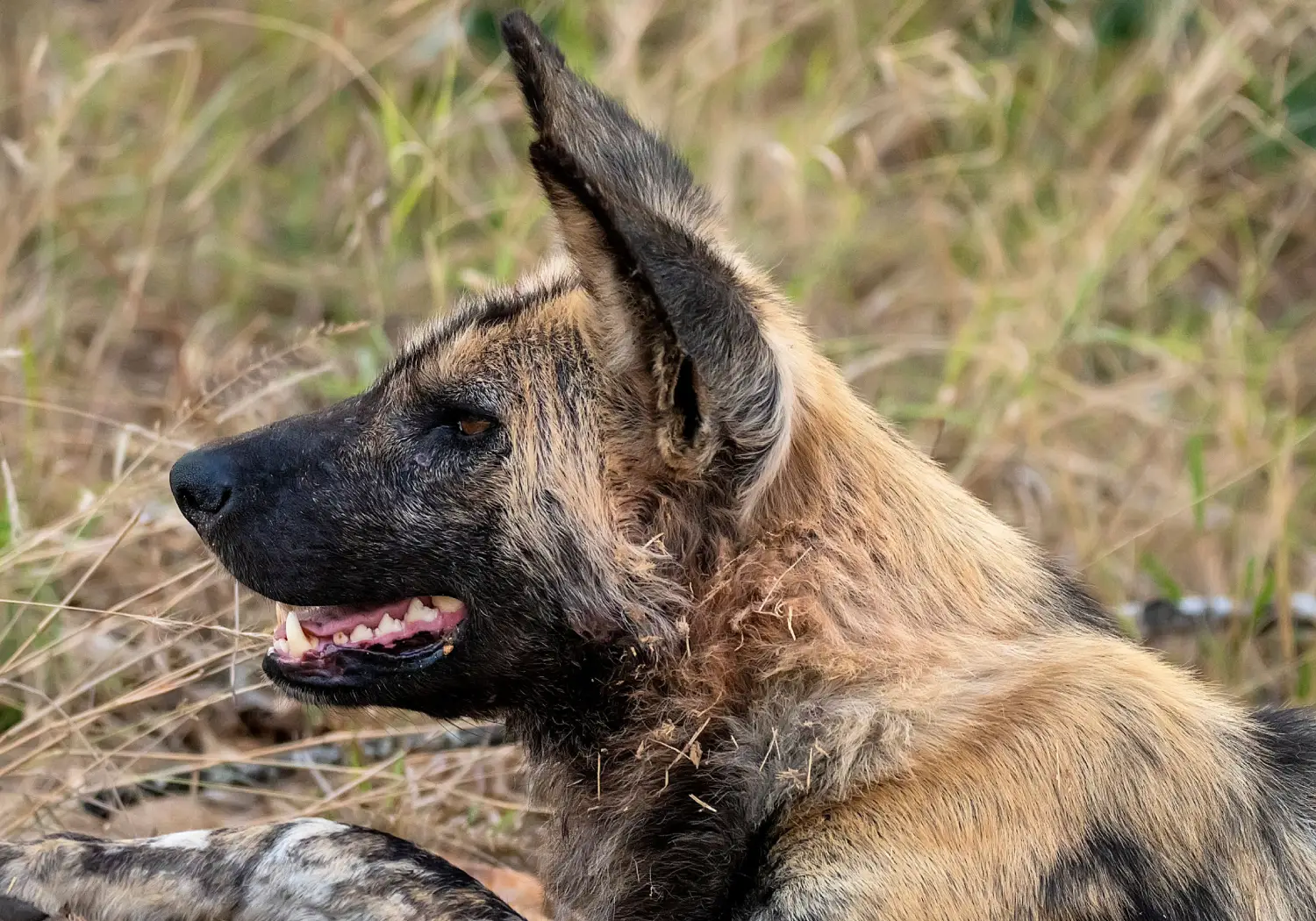
The African wild dog (Lycaon pictus), also called the painted dog, is one of the most sought-after sightings on a Kenya safari. Its mottled coat of black, white, brown and yellow makes every individual look different, and its pack life is a spectacle of teamwork. An African wild dog safari is not about ticking off an animal. It is about reading the landscape, rising before dawn and trusting a skilled guide to find a pack on the move.
Quick answer: The African wild dog is a highly social, pack-hunting carnivore of sub-Saharan Africa and is listed as Endangered. In Kenya, your best chances of seeing one are in the Laikipia and Samburu region, usually on early-morning and late-afternoon game drives. Sightings are rare and never guaranteed, so a flexible, guide-led safari gives you the best odds.
What Is an African Wild Dog?
Africa’s largest wild canid is not a domestic dog or a true wolf. It has its own genus, Lycaon, and is its only living member. Its teeth are specialised for a meat-only diet, and it has four toes on each foot rather than the usual five. Large, rounded ears and a dark muzzle complete the look.
Guides love wild dogs for a practical reason: because no two coats are alike, packs can be recognised and followed over time by trackers and researchers, which helps when you are hoping to find the same dogs on safari.
Where Do African Wild Dogs Live?
Wild dogs roam open plains, savanna and sparse woodland. They once ranged across most of sub-Saharan Africa, but today they survive in just 14 of the 39 countries where they were formerly found. Their stronghold areas are in southern and eastern Africa.
In Kenya, the Laikipia-Samburu landscape holds the main population. It is a mosaic of semi-arid savanna, acacia bush, riverine woodland and rocky hills, and packs can range across private conservancies, ranches and reserves. Read more in our guide to African wild dog habitat.
Pack Life and Behaviour You Might See
Few animals are as cooperative as the wild dog. Packs are made up of anywhere from seven to 40 individuals with a dominant pair at the top, and every member plays a role, from hunting to guarding pups to caring for the sick.
On safari, watch for:
- Shared meals: dogs regurgitate food for pups and for adults that stayed behind, which keeps the whole pack fed and bonded.
- Pups first: at a kill, pups are often allowed to eat before adults.
- Sneeze “votes”: research in Botswana suggests that wild dogs use sneezes to help decide when a pack sets off to hunt.
- Twittering contact calls: high-pitched chirps keep the pack together in thick bush.
How African Wild Dogs Hunt
African wild dogs are endurance hunters. They chase prey over long distances until it tires, then bring it down as a team, and they are probably the most efficient hunters among Africa’s large carnivores, covering more than 12 miles (about 20 km) of ground a day while hunting.
Hunts happen mostly in the cooler hours of early morning and late afternoon, which is exactly when game drives are at their best. That is why a wild dog safari starts early.
Breeding and Denning
Usually only the dominant female breeds. She gives birth in an underground den, often an old aardvark burrow, to a large litter raised by the whole pack. While pups are small, the pack stays close to the den, which can make sightings more predictable. Guides and conservancy trackers often know where active dens are, and a safari timed around denning can improve your chances.
How to See African Wild Dogs on Safari in Kenya
Wild dog sightings are one of the great rewards of a Kenya wildlife safari, and also one of the least predictable. Here is how to give yourself the best chance.
1. Choose the right region.
Focus on the Laikipia-Samburu landscape instead of the more famous parks. You can start with these destinations:
- Laikipia: the heartland of Kenya’s wild dog population, with private conservancies offering guided drives and, in some areas, walks
- Samburu National Reserve: dry country where wild dogs are occasionally spotted alongside Grevy’s zebra, reticulated giraffe and gerenuk
- Ol Pejeta Conservancy: a predator-rich conservancy where wild dogs are sometimes recorded
2. Build in time.
Packs are always on the move, so spend several days in good habitat rather than one. Our 8-day Samburu, Ol Pejeta, Naivasha and Mara safari links several of these areas in a private 4x4, and you can browse more routes through Kenya wildlife safaris.
3. Travel in the dry season.
Wildlife concentrates near water and the grass is shorter in the dry months, generally June to October and January to February. See our best time to visit Kenya guide for month-by-month planning.
4. Go with a flexible, private safari.
Early starts, long waits and quick changes of plan are the secret to finding wild dogs. A private vehicle and a guide who can ask local trackers about recent sightings make a real difference. We can build this into a tailor-made itinerary.
5. Be ready for the photograph.
Wild dogs move fast and often in low light. A zoom lens, a fast shutter speed and a patient driver help. Our photographic safaris in Kenya are designed with this in mind.
Can you see wild dogs in the Masai Mara? Sightings in the Mara are rare and unpredictable, so don’t plan a trip around them. They are a bonus on a Mara safari, not the main goal.
Responsible Wild Dog Viewing
- Keep a respectful distance and never approach a den.
- Stay quiet in the vehicle and avoid sudden movement.
- Follow your guide’s instructions, since wild dogs are easily disturbed.
Why Your Safari Helps Wild Dogs
Only about 6,600 wild dogs remain in the wild, and the main threats are habitat loss and fragmentation, snares, conflict with livestock owners, disease and road accidents. Packs need huge, connected landscapes, so the conservancies of Laikipia and Samburu are vital.
Tourism that pays for conservancy land, anti-snaring patrols and community benefits helps keep those landscapes intact. If conservation matters to you, explore our conservation-based safaris in Kenya and Kenya’s conservancies.
Frequently Asked Questions About African Wild Dog Safaris
Where is the best place to see African wild dogs in Kenya?
The Laikipia-Samburu region, including Laikipia conservancies, Samburu National Reserve and Ol Pejeta Conservancy.
When is the best time for an African wild dog safari?
The dry seasons, from June to October and January to February, when wildlife is easier to spot. Dogs are most active at dawn and dusk.
Can I guarantee a wild dog sighting?
No. Packs roam widely and are elusive, so spend several days in the right region with an experienced guide.
Are African wild dogs dangerous to humans?
No. They avoid people, and attacks on humans are essentially unheard of. Keep a respectful distance, as you would with any wild animal.
Why are they called painted dogs?
The name comes from Lycaon pictus, meaning “painted wolf”, and from their blotched coats in black, white, brown and yellow.
How many African wild dogs are left?
Fewer than 7,000 remain in the wild, and numbers are declining in most areas.
Are wild dogs related to domestic dogs?
Only distantly. African wild dogs belong to their own genus, Lycaon, and cannot interbreed with domestic dogs.
Plan Your African Wild Dog Safari in Kenya
Hoping to see Africa’s painted wolf? Olengugih Safaris can design a private, flexible Kenya itinerary around Laikipia, Samburu and Ol Pejeta, timed for your dates and interests. Start planning your safari or contact our team for a free quote.
Content reviewed 16 Oct 2026