About the Senegal Galago
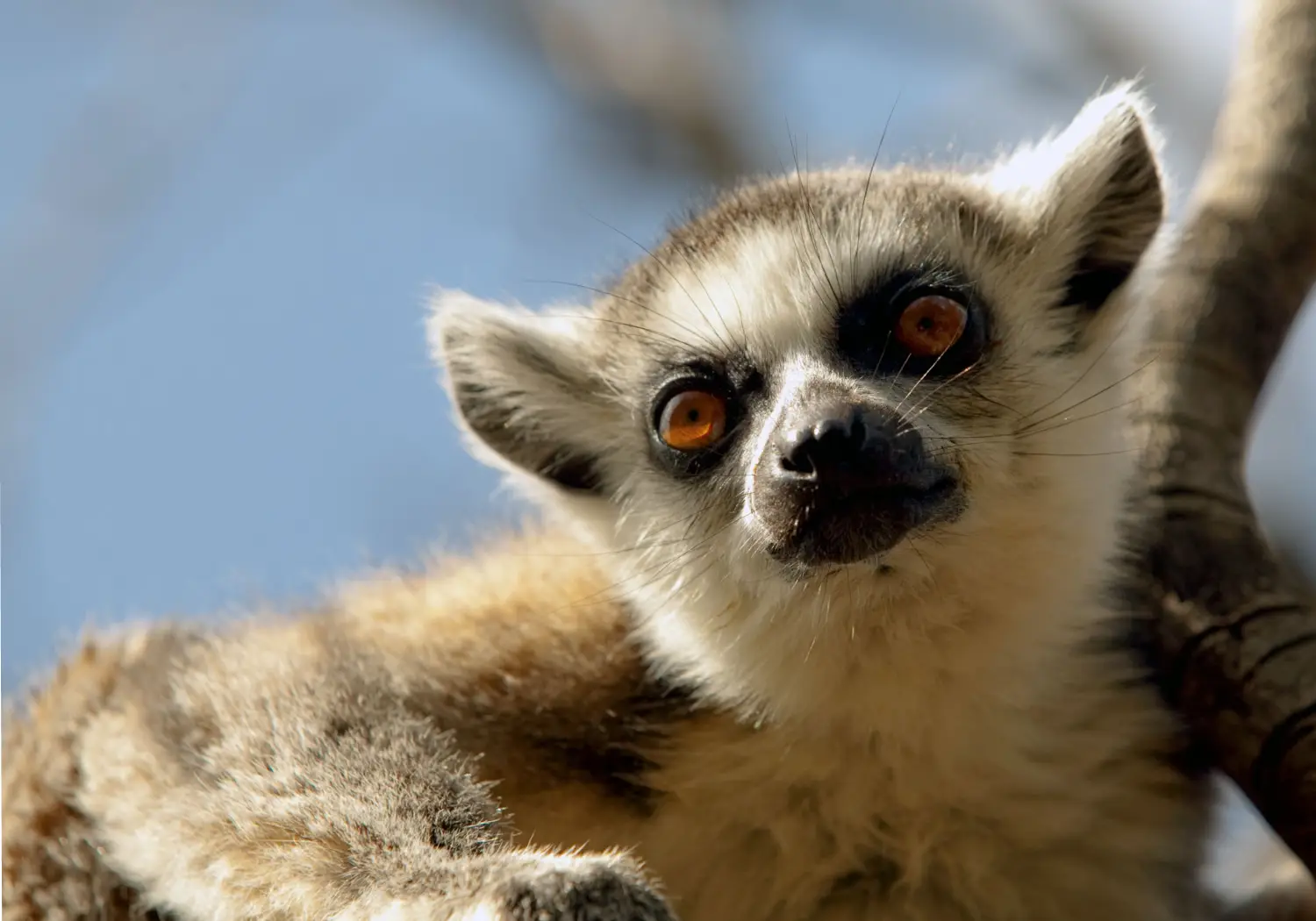
The Senegal galago (Galago senegalensis), also called the northern lesser galago or Senegal bushbaby, is the bushbaby most safari-goers meet in Kenya. It is a tiny primate, about the size of a squirrel and weighing only 95–300 g, with huge, round eyes, grey-pink ears larger than those of any other galago, soft grey fur and a long, bushy tail. By night it bounds through acacia trees on its long hind legs, licking gum from the bark and snatching insects out of the air. Its loud calls, which can sound like a crying baby, are a familiar sound around many safari lodges.
Quick answer: The Senegal galago lives in acacia woodland, thorn bush and wooded savanna across a wide band of Africa, from Senegal in the west to Somalia in the east and south to Lake Victoria and Tanzania. In Kenya, look for it after dark around lodges and camps in Samburu, Tsavo, the Masai Mara and Laikipia, where its eyes glow in torchlight. Sightings are never guaranteed.
What Does a Senegal Galago Look Like?
The Senegal galago is small and slender, with a round head, short muzzle and very large, forward-facing eyes. A reflective layer behind the retina helps it see in near-darkness and makes its eyes shine orange-red in torchlight. Its large, thin ears are grey-pink and have ridges that let it fold them down when leaping through thorny branches or resting. Its dense, woolly fur is silvery-grey to brownish, paler on the underside, and its long tail is bushy towards the tip. The fingers and toes end in flattened pads for gripping branches, and each hind foot has a special grooming claw.
Senegal Galago vs Other Kenyan Bushbabies
Several bushbaby species live in Kenya. Here's how to tell the Senegal galago apart.
- Senegal (northern lesser) galago: squirrel-sized, very large ears, a superb leaper; lives in acacia woodland and savanna across much of Kenya.
- Somali lesser galago: very similar in size and looks, but lives in drier bushland in northern and eastern Kenya. The two species overlap in parts of central Kenya, and are easiest to tell apart by their calls.
- Small-eared greater galago: much larger, about the size of a small cat, with smaller ears; lives in coastal and highland forest and moves more by running along branches.
- Kenya coast dwarf galago: smaller still, found in coastal forest around Diani and Shimba Hills.
For an overview of all of Kenya's bushbabies, see our bushbaby guide.
Where Do Senegal Galagos Live?
Senegal galagos live in savanna and forest-savanna zones across a wide belt of Africa, from Senegal and Gambia in the west to Ethiopia and Somalia in the east, and south to Lake Victoria and northern Tanzania. According to the Mammal Diversity Database, they occur in more than 25 countries, including Kenya, Uganda and Tanzania.
They prefer acacia woodland, thorn bush, wooded savanna, riverine trees and grassland with thickets. By day they sleep in tree holes, dense tangles of vegetation or old birds' nests. Browse our wildlife guide and Kenya destinations to learn more.
What Do Senegal Galagos Eat?
Senegal galagos are omnivores. Acacia gum is a key food, especially in the dry season when insects are scarce. They lick fresh gum from wounds in the bark and scrape it off with their comb-like lower front teeth. They also catch moths, beetles, grasshoppers and other insects, often grabbing them in mid-air with their hands, and eat fruit, seeds, flowers and, occasionally, small birds and eggs.
Senegal Galago Behaviour
Senegal galagos are nocturnal and live almost entirely in trees. They forage alone at night but often sleep together by day in small groups of about two to six, usually a mother with her young and other related females.
Spectacular Leaps
Using their long, powerful hind legs, Senegal galagos can leap several metres from branch to branch, landing with precision in the dark. On the ground, they hop like tiny kangaroos.
Urine Washing and Scent Trails
Galagos rub urine onto their hands and feet. This may improve their grip and leaves scent trails along their routes. Dominant males also use urine to mark the edges of their territories.
A Noisy Night
Senegal galagos have a wide range of calls, including loud, crying wails, clicks and chatters, which they use to keep in touch, warn of danger and attract mates.
Predators
Owls, eagles, genets, caracals and large snakes hunt Senegal galagos.
Breeding
After a pregnancy of about four months, the female gives birth, often to twins, and may breed twice a year. The young first stay in a nest, then their mother carries them in her mouth and leaves them on branches while she feeds. They reach maturity at about 10 months.
Is the Senegal Galago Endangered?
No. The Senegal galago is listed as Least Concern on the IUCN Red List. It is one of Africa's most widespread primates and adapts well to woodland, bush and even gardens. Locally, it can be affected by the clearing of acacia woodland for charcoal and farming, and by capture for the illegal pet trade; galagos are protected under CITES Appendix II. You can explore recorded sightings on iNaturalist.
Learn how your trip can support wildlife with our conservation-based safaris in Kenya.
How to See Senegal Galagos in Kenya
Senegal galagos are among the easiest night animals to see in Kenya, because they often live in the trees around safari lodges and camps.
Where to Look
- Samburu and Buffalo Springs: acacia and riverine trees around lodges along the Ewaso Ng'iro River. See our Samburu National Reserve and Buffalo Springs guides.
- Tsavo East and West: acacia bush and lodge grounds. See our Tsavo East and Tsavo West guides.
- Masai Mara: woodland around camps, and on night drives in conservancies such as Naboisho.
- Laikipia: acacia woodland in conservancies such as Ol Pejeta and Lewa.
- Lake Baringo and Lake Bogoria: acacia woodland around the lakes. See our Lake Bogoria National Reserve guide.
Use a Torch After Dark
Shine a gentle torch into acacia trees around your lodge after sunset. Look for small, orange-red eyes and a tiny shape leaping between branches.
Listen for Them
Senegal galagos are often heard before they're seen. Ask your guide to identify their calls, which help tell them apart from other bushbabies.
Book a Night Drive
Guided night drives in private conservancies are a good way to see galagos alongside other nocturnal animals.
Build a Route With Variety
The 8 Day Kenya Safari: Samburu, Ol Pejeta, Naivasha, Mara visits several areas where Senegal galagos are common around lodges. You can also browse our Kenya wildlife safaris.
Responsible Wildlife Viewing
Use a dim or red torch and don't hold the beam on a galago's eyes for long. Never feed galagos at lodges; sugary food harms them and makes them depend on people. Never buy or keep a galago as a pet.
Frequently Asked Questions About the Senegal Galago
What is a Senegal galago?
A small, nocturnal African primate, also called the northern lesser galago or Senegal bushbaby. Its scientific name is Galago senegalensis.
Is the Senegal galago the same as a bushbaby?
Yes. It is one of several bushbaby species, and the one most often seen on safari in Kenya.
How big is a Senegal galago?
About 12–20 cm long plus an 18–30 cm tail, and about 95–300 g.
What do Senegal galagos eat?
Acacia gum, insects, fruit and occasionally small birds or eggs.
How far can a Senegal galago jump?
Several metres between branches, using its long, powerful hind legs.
Where can I see Senegal galagos in Kenya?
Around lodges at night in Samburu, Tsavo, the Masai Mara, Laikipia and the Lake Baringo–Bogoria area. Sightings are never guaranteed.
Is the Senegal galago endangered?
No. It is listed as Least Concern.
Plan Your Kenya Safari
Want to see Senegal galagos leaping through the acacias outside your lodge, and the rest of Kenya's wildlife by day? Olengugih Safaris can design a private, flexible itinerary through Samburu, Laikipia, the Mara and beyond. Start planning your safari or contact our team for a free quote.
Sources
- Weight of 95–300 g, diet, urine marking, four-month pregnancy, predators and lifespan: African Wildlife Foundation
- Largest ears of any galago, gum feeding, overlap with the Somali lesser galago in central Kenya, and the Kenya lesser galago subspecies: New England Primate Conservancy
- Body and tail length, ear ridges, finger pads and grooming claw, nests in old birds' nests, and maturity at about 10 months: Comparative Mammalian Brain Collections
- Range countries and other common names: Mammal Diversity Database
- Lesser bushbaby species, subspecies and Least Concern status: Wikipedia: Lesser bushbaby
Interesting facts and identification clues
Interesting Facts About the Senegal Galago
- The Senegal galago has larger ears than any other galago.
- It can fold its ears down to protect them when leaping through thorny branches.
- It licks gum from acacia trees and scrapes it off with comb-like front teeth.
- It rubs urine on its hands and feet, which may improve its grip and leave scent trails.
- It often catches flying insects with its hands.
- It is one of the most widespread primates in Africa.
Content reviewed 28 Oct 2026