About the Southern Tree Hyrax
Southern Tree Hyrax: The Screamer of the Highland Forests
The southern tree hyrax (Dendrohyrax arboreus), also called the tree dassie, is a small, furry, tailless relative of the elephant that lives in forest trees. It looks like a large guinea pig with long, soft fur, but it is rarely seen, because it is shy and active mainly at night. It is much easier to hear: its extraordinary call, a series of croaks and rattles building into blood-curdling shrieks, is one of the most famous night sounds of Kenya's highland forests. Many first-time visitors to the Aberdares or Mount Kenya are startled awake by it.
Quick answer: The southern tree hyrax lives in forests from Kenya and Uganda south to South Africa. In Kenya, it is found mainly in the forests of the central highlands, including the Aberdares and Mount Kenya, as well as forest patches around Nairobi and in Laikipia. You are far more likely to hear it at night than to see it. Sightings are never guaranteed.
What Does a Southern Tree Hyrax Look Like?
The southern tree hyrax has a rounded, guinea pig-like body, short legs, small rounded ears and no visible tail. Its fur is longer, softer and denser than a rock hyrax's, usually grey-brown with paler underparts. In the middle of its back is a patch of pale or whitish hair covering a scent gland. Like other hyraxes, it has rubbery, moist pads on its feet, which help it grip tree trunks and branches as it climbs.
Tree Hyrax vs Rock Hyrax vs Bush Hyrax
Kenya has three kinds of hyrax, and they are easy to separate by habitat and habits.
- Southern tree hyrax: lives in forest trees, is mainly nocturnal and has long, soft fur and a loud night scream.
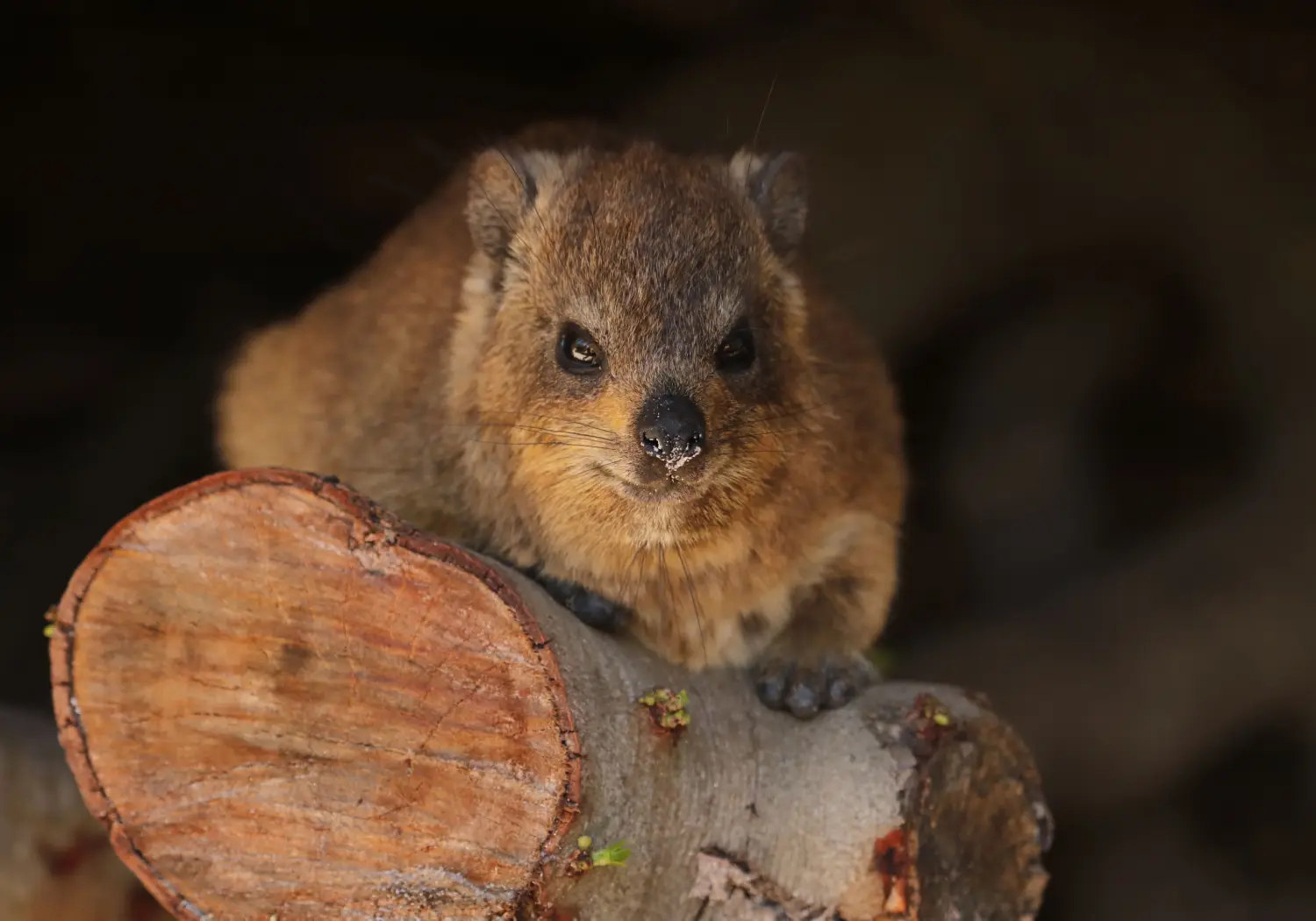
- Rock hyrax: lives in colonies on rocky outcrops, is active by day and mainly eats grass. Read our rock hyrax profile.
- Yellow-spotted rock hyrax (bush hyrax): smaller, with pale eye spots; shares rocks with rock hyraxes and mainly eats leaves.
On Kenya's coast, including Shimba Hills, the tree hyraxes belong to a different species, the eastern tree hyrax (Dendrohyrax validus), which is listed as Near Threatened.
The Famous Night Call
The southern tree hyrax is best known for its call. Males call at night, often from high in the trees, starting with a series of croaks or rattles that build into loud, blood-curdling screams. In the dry season, males often call between about 2 and 4 a.m. Each animal's call is distinctive, and researchers use calls to identify species and even individuals. Each tree hyrax species has its own call, so calls are one of the best ways to tell them apart.
Where Do Southern Tree Hyraxes Live?
Southern tree hyraxes live in forests from Kenya and Uganda south through Tanzania, Rwanda, Burundi, eastern DR Congo, Zambia, Malawi and Mozambique to South Africa. They live in montane and lowland evergreen forest, bamboo and dense woodland, where they depend on tree hollows, dense creepers and thick vegetation for shelter.
In Kenya, they are found mainly in the forests of the central highlands. Recordings have been made in places such as Karen on the edge of Nairobi and Solio Ranch in Laikipia. Browse our wildlife guide and Kenya national parks to learn more.
What Do Southern Tree Hyraxes Eat?
Southern tree hyraxes are herbivores. They eat leaves, shoots, bark, fruit and flowers, mostly from the trees they live in. Important foods in East African forests include podocarp, Schefflera, holly (Ilex) and African pencil cedar (Juniperus). By eating fruit, they help spread the seeds of forest trees.
Southern Tree Hyrax Behaviour
Southern tree hyraxes are mainly nocturnal and solitary, with activity peaks just after sunset and before dawn. They spend most of their time in trees, moving slowly and carefully along branches.
Dens and Latrines
They rest by day in tree hollows, dense creepers or thick vegetation. Large piles of droppings (latrines) at the foot of den trees show where they live.
Predators
Crowned eagles, owls, leopards, genets and large snakes hunt tree hyraxes. People also hunt them for meat and skins in some areas.
Breeding
Females usually give birth to one or two well-developed young, which can climb soon after birth. They reach maturity at about a year old.
Is the Southern Tree Hyrax Endangered?
No. The southern tree hyrax is listed as Least Concern on the IUCN Red List. However, it depends on forest, so it is affected by logging, charcoal burning and the clearing of forest for farms and settlements. In some areas it is also hunted for its meat and skin. Protecting Kenya's highland forests, such as the Aberdares and Mount Kenya, helps secure tree hyraxes along with many other forest species, including the mountain bongo. You can explore recorded sightings on iNaturalist.
Learn how your trip can support forest conservation with our conservation-based safaris in Kenya.
Where to See or Hear Southern Tree Hyraxes in Kenya
Tree hyraxes are hard to see because they are shy and nocturnal, but they are easy to hear. Stay overnight in or near a highland forest and listen after dark.
Where to Look and Listen
- Aberdare National Park: the forest lodges, with their floodlit waterholes, are classic places to hear tree hyraxes calling at night. See our Aberdare National Park guide.
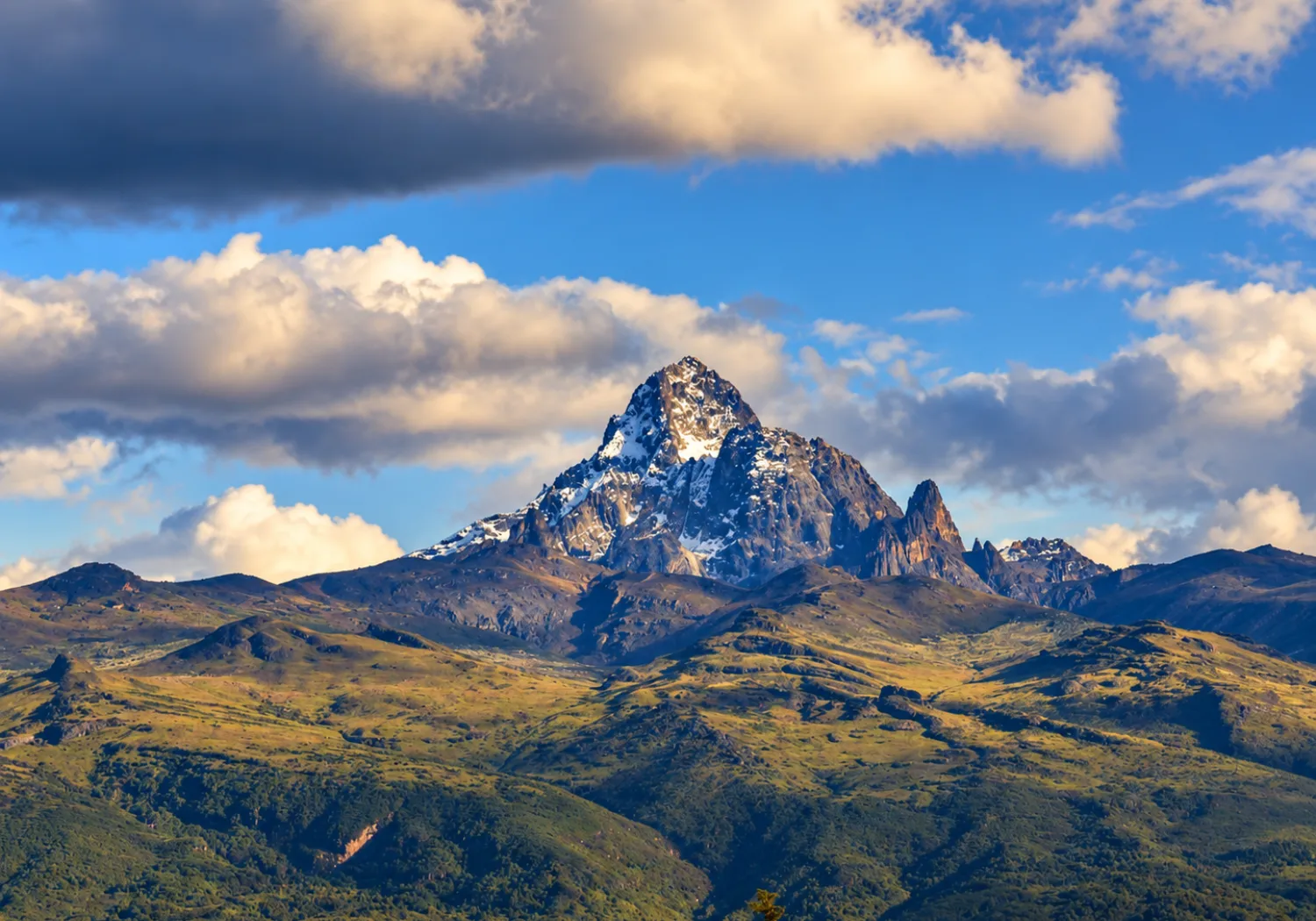
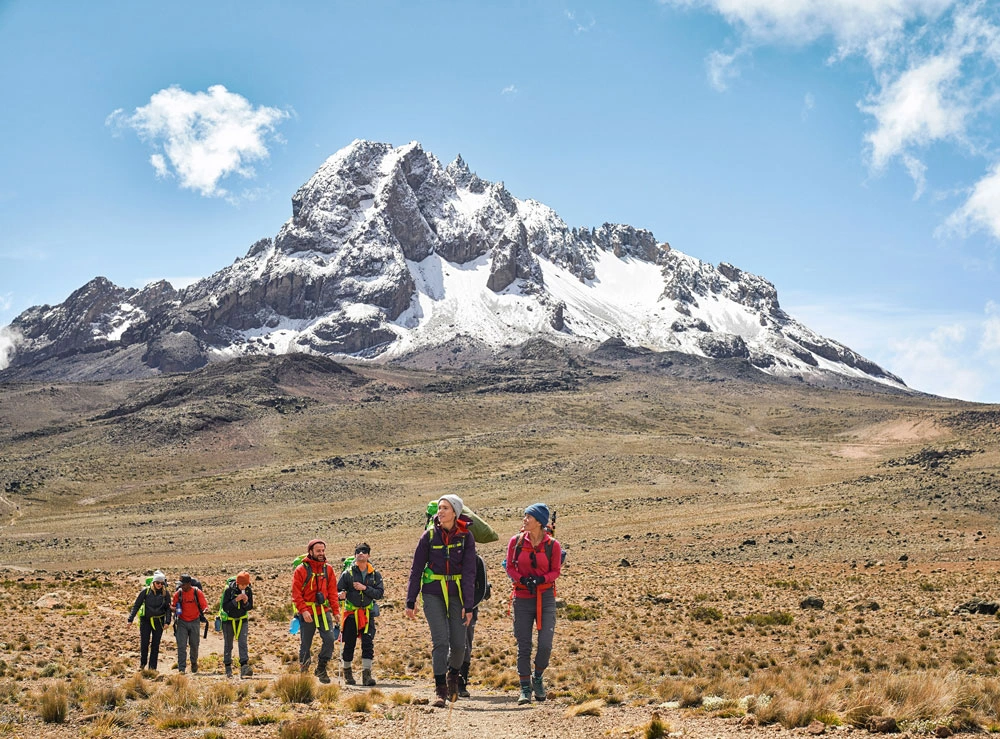
- Mount Kenya: the montane forests on the lower slopes. See our Mount Kenya National Park guide.
- Central highlands and Laikipia: forest patches and riverine forest in conservancies such as Ol Pejeta.
- Around Nairobi: forested suburbs and forest patches, such as around Karen, where tree hyraxes can sometimes be heard at night.
Listen at Night
The best way to find a tree hyrax is by its call. Listen after dark and in the early hours before dawn, especially in the dry season.
Look With a Torch
If you hear one calling nearby, scan the upper branches with a torch for eyeshine and a round, furry shape.
Stay in a Forest Lodge
Forest lodges in the Aberdares and on Mount Kenya are among the best places to experience tree hyraxes, along with elephants, buffalo and other forest wildlife at the waterholes. Ask about adding them to a tailor-made trip through our Kenya safaris, or explore our mountain climbing tours in Kenya.
Responsible Wildlife Viewing
Use a dim torch and don't keep the beam on a tree hyrax for long. Keep noise down at night so you and others can enjoy the forest sounds. Never try to catch or feed a tree hyrax, and stay on paths and in safe areas when exploring forests after dark.
Frequently Asked Questions About the Southern Tree Hyrax
What is a southern tree hyrax?
A small, furry, tailless mammal that lives in forest trees and is related to elephants. Its scientific name is Dendrohyrax arboreus.
What does a tree hyrax sound like?
Its call starts with croaks or rattles and builds into loud, blood-curdling screams, usually heard at night.
Is the tree hyrax related to the elephant?
Yes. Like all hyraxes, its closest living relatives are elephants and manatees.
What do southern tree hyraxes eat?
Leaves, shoots, bark, fruit and flowers of forest trees.
Where can I hear tree hyraxes in Kenya?
In the forests of the Aberdares and Mount Kenya, other central highland forests, Laikipia forest patches and forested areas around Nairobi. On the coast, the tree hyraxes are a different species, the eastern tree hyrax.
Can you see tree hyraxes in the day?
Rarely. They are mainly nocturnal and spend the day hidden in tree hollows or dense vegetation.
Are southern tree hyraxes endangered?
No. They are listed as Least Concern, but they depend on healthy forests.
Plan Your Kenya Highlands Safari
Want to spend a night in a forest lodge in the Aberdares or on Mount Kenya, listening to tree hyraxes and watching elephants at the waterhole? Olengugih Safaris can design a private, flexible itinerary through Kenya's highlands and beyond. Start planning your safari or contact our team for a free quote.
Sources
- Least Concern status, guinea pig-like appearance, nocturnal life in trees, the blood-curdling call, herbivorous diet and maturity at about 12 months: Wikipedia: Southern tree hyrax
- Kenyan subspecies (crawshayi, bettoni), size and weight, dependence on tree cavities and dense vegetation, East African food trees, activity peaks and distinctive individual calls: Handbook of the Mammals of the World, via Zenodo
- Range from Kenya and Uganda to South Africa, latrines under den trees, males calling between 2 and 4 a.m. in the dry season, and seed dispersal: Animal Diversity Web
- Recordings from Karen (Nairobi) and Solio Ranch (Laikipia) and differences between hyrax calls: Wildsolutions
- Range countries and IUCN status: Mammal Diversity Database
- Eastern tree hyraxes on the Kenyan coast, including Shimba Hills: Ecology and Evolution (2023), via PMC
Interesting facts and identification clues
Interesting Facts About the Southern Tree Hyrax
- Its closest living relatives are elephants and manatees.
- Its screaming night call is one of the loudest sounds in African forests.
- Each tree hyrax species has its own call, and researchers can even recognise individuals by their calls.
- Males often call between about 2 and 4 a.m. in the dry season.
- It has rubbery foot pads that help it grip tree trunks.
- By eating fruit, it helps spread the seeds of forest trees.
Content reviewed 28 Oct 2026