Best Places to Visit in Kenya for an Authentic Safari
By Olengugih Safaris | Kenya safari planning guide | Updated 16 October 2026
Quick answer: The best places for an authentic safari in Kenya are the Masai Mara and its private conservancies, Amboseli, Samburu, Laikipia, Tsavo, and the Rift Valley lakes. Each one offers a different kind of wild Kenya. The Mara is best for big cats and the Great Migration. Amboseli is best for elephants beneath Mount Kilimanjaro. Samburu and Laikipia offer quieter, off-the-beaten-track safaris. Tsavo gives you space and vast landscapes. Pick two or three for a trip of about a week.
What makes a safari authentic?
An authentic safari is about more than seeing animals. It is about how you see them. Here is what to look for:
- Fewer vehicles: quieter sightings, with time to watch behaviour.
- Local guides: people who know the land, the animals and the culture.
- Community connection: conservancies owned or supported by local communities.
- Varied activities: walking, night drives, horse riding or cycling where allowed.
- Small camps: a close feel for the bush, rather than a large hotel.
The places below match these ideas. Some are famous. Others are hidden gems.
Quick comparison of Kenya's best safari places
Place | Best for | Feel | Best months | Suggested nights |
|---|---|---|---|---|
Masai Mara | Big cats, Great Migration | Classic, lively | July to October, January to February | 3 to 4 |
Mara conservancies | Quiet game viewing, walks | Private, exclusive | Year-round | 2 to 4 |
Amboseli | Elephants, Kilimanjaro views | Open, photogenic | June to October, January to February | 2 to 3 |
Samburu | Rare dry-country wildlife | Remote, rugged | June to October, December to March | 2 to 3 |
Laikipia | Rhinos, walking, horse riding | Wild, adventurous | Year-round | 2 to 4 |
Tsavo East and West | Red elephants, big landscapes | Vast, uncrowded | June to October, January to February | 2 to 4 |
Lake Nakuru and Naivasha | Rhinos, birds, boat rides | Scenic, relaxed | Year-round | 1 to 2 |
Northern conservancies | Culture, remote wilderness | Off the map | June to October, December to March | 3 to 4 |
1. Masai Mara National Reserve
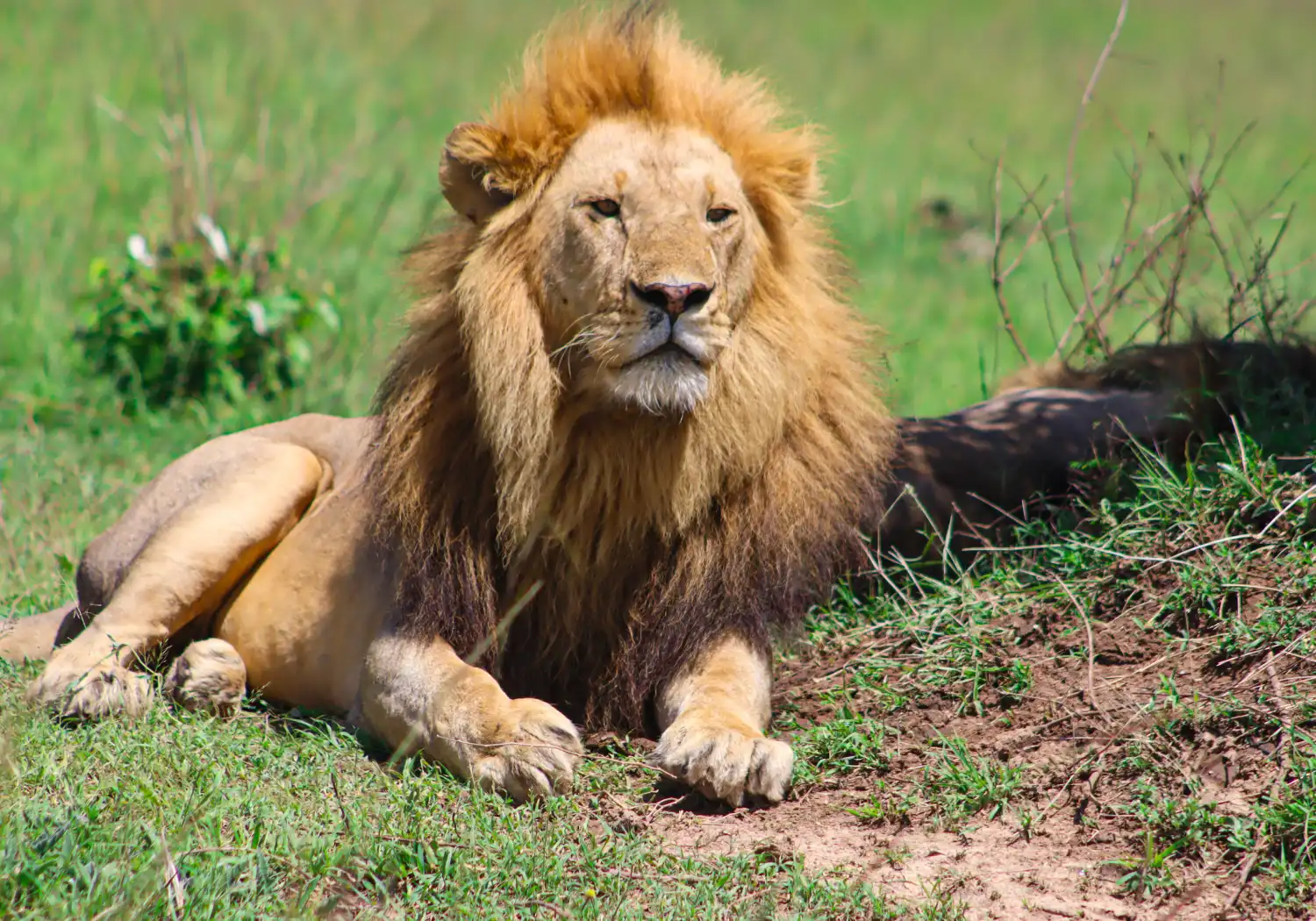
The Masai Mara is Kenya's most famous wildlife area. It is known for lions, leopards, cheetahs and the Great Migration. Herds of wildebeest and zebra usually cross the Mara River between July and October.
The reserve is wide and open. Wildlife is easy to find. As a result, it suits first-time visitors well. It also rewards return visits.
For a more authentic feel, stay at a smaller camp. Choose early game drives. Avoid the busiest river crossing spots when possible. Explore our full Masai Mara destination page for more detail.
2. The Mara conservancies
The conservancies surround the main reserve. They are privately managed and community-owned. They limit the number of vehicles and beds. This keeps sightings quiet and personal.
Some conservancies also allow walking safaris and night drives. Each one sets its own rules, so ask us what is available. In addition, your stay supports the Maasai landowners who lease the land.
This is one of the best ways to experience an authentic Mara safari. See our guide to Kenya's conservancies to compare them.
3. Amboseli National Park
Amboseli is famous for its large elephant herds. They walk across open plains with Mount Kilimanjaro rising behind them. It is one of the most photogenic safari scenes in Africa.
Morning and evening are best for clear mountain views. The peak often hides in cloud by midday. The park also has swamps, hippos and rich birdlife.
The park sits close to Maasai communities. Cultural visits can add depth to your trip. Amboseli is also an easy trip from Nairobi. See our 3 Day Affordable Private Amboseli Safari.
4. Samburu National Reserve
Samburu lies in northern Kenya, beside the Ewaso Nyiro River. The land is hot, dry and dramatic. It is home to the "Samburu Special Five": Grevy's zebra, reticulated giraffe, Somali ostrich, gerenuk and beisa oryx. You will not see all of these in the Mara.
Elephants gather along the river. Leopards and lions also hunt here. Birdlife is excellent. Samburu is quieter than the Mara, so it feels more remote.
The Samburu people live nearby. A village visit can show their traditions and way of life. Read more on our Samburu destination page.
5. Laikipia and its conservancies
Laikipia is a high plateau north of Mount Kenya. It is a patchwork of private and community conservancies. Many offer activities beyond game drives, such as walking safaris, horse riding, cycling and night drives. Rules vary by conservancy.
Ol Pejeta is a leading conservation site and is known as East Africa's largest black rhino sanctuary. Lewa is a UNESCO-listed conservancy known for rhino protection. Borana offers a private, quiet wilderness feel.
Laikipia suits travellers who want adventure and conservation. Read our Laikipia wildlife conservancies guide for more. You can also try a horseback safari in Kenya.
6. Tsavo East and Tsavo West
Tsavo is Kenya's largest park area. It is wild and spacious. Tsavo East has wide, flat plains. Tsavo West has lava flows, hills and springs.
Tsavo elephants are known for their red colour. They roll in the red soil. The park is also a good place to spot lions, buffalo and many birds.
Tsavo gets fewer visitors than the Mara. Therefore, it often feels more private. It also combines well with the coast for a safari and beach trip. See our 10 Day Kenya Honeymoon Safari and Diani Beach Escape.
7. Lake Nakuru and Lake Naivasha
These Rift Valley lakes are a gentle addition to a longer trip. Lake Nakuru National Park protects both black and white rhinos. The lake can attract large flocks of flamingos, though numbers change with water levels.
Lake Naivasha offers boat rides among hippos and birds. Nearby Hell's Gate National Park allows walking and cycling. As a result, this area suits active travellers.
See our 7 Day Kenya Elephants, Lakes and Masai Mara Safari or browse the Great Lakes of Kenya.
8. Northern Kenya conservancies
Beyond Laikipia, community conservancies such as Sera and Namunyak protect large wild areas. They are remote and little visited. Local communities own and manage them.
This is a good choice for experienced travellers. You get true wilderness and cultural contact. Read our guide to Northern Kenya's community conservancies.
9. Nairobi National Park
Nairobi National Park is unique. Lions, rhinos and giraffes live within sight of the city skyline. It works well for a layover or a first or last day in Kenya.
Read our Nairobi National Park safari guide. You can also browse our Nairobi excursions.
Which place is right for you?
- For the Great Migration: Masai Mara, from July to October. See our migration safaris.
- For the Big Five: Masai Mara, Laikipia and Lake Nakuru. Read our Big Five safari guide.
- For elephants and views: Amboseli.
- For rare wildlife: Samburu.
- For adventure activities: Laikipia and Lake Naivasha.
- For quiet and space: Tsavo, Mara conservancies and northern Kenya.
- For romance: a mix of safari and beach. See our honeymoon safaris in Kenya.
- For families: see our Kenya family safaris.
- For luxury: see our luxury safaris in Kenya.
Best time to visit Kenya for an authentic safari
Kenya can be visited all year. The best time depends on your goals.
- June to October: the dry season. Wildlife gathers near water. July to October brings the Mara migration.
- January and February: dry and warm. Game viewing is good and crowds are smaller than in peak months.
- March to May: the long rains. The land is green and quiet. Rates are often lower.
- November and December: the short rains. Expect green landscapes and fewer visitors.
A strong El Niño is bringing heavier rain this season. Read our guide on El Niño and Kenya safaris before you travel. For more on timing, see our best time to visit Kenya guide.
Tips for planning an authentic Kenya safari
- Combine two or three areas. Mix one famous park with a quieter place.
- Stay in a conservancy. You get fewer vehicles and more activities.
- Choose small camps. They feel closer to the bush.
- Allow enough time. Plan at least two nights in each place.
- Hire a local guide. Good guides make the safari.
- Respect local culture. Visit communities with respect and ask before taking photos.
- Support conservation. Choose camps that give back to wildlife and people.
- Plan your budget. Read our Kenya safari cost guide.
Plan your Kenya safari with Olengugih Safaris
We plan Kenya safaris around your dates, interests and budget. Browse our Kenya safari packages. You can also see our group joining safaris for a lower-cost option. When you are ready, plan your safari with us. Or contact our team for a free quote.
Frequently asked questions
What is the best place for an authentic safari in Kenya? The Mara conservancies, Samburu and Laikipia are among the most authentic. They have fewer vehicles and more varied activities.
Which is better, Masai Mara or Amboseli? The Mara is better for big cats and the migration. Amboseli is better for elephants and views of Kilimanjaro. Many travellers visit both.
How many days do I need for a Kenya safari? We suggest at least five to seven days. This allows two or three destinations without rushing.
When is the best time to visit Kenya? June to October is the dry season. January and February are also good. July to October is best for the Mara migration.
Are Kenya's conservancies better than national parks? They are different. Conservancies usually have fewer vehicles and allow more activities. National parks are larger and often easier to reach.
Can I see the Big Five in Kenya? Yes. The Masai Mara, Laikipia and Lake Nakuru are the most popular places to look for them. Sightings are never guaranteed.
Is Kenya safe for a safari? Safaris are well established. Choose a licensed operator, follow your guide's advice and check current travel advice for your country.
Can I combine a safari with a beach holiday? Yes. Many travellers add a few days at Diani on the coast. See our honeymoon and beach packages.