About the Lesser Kudu
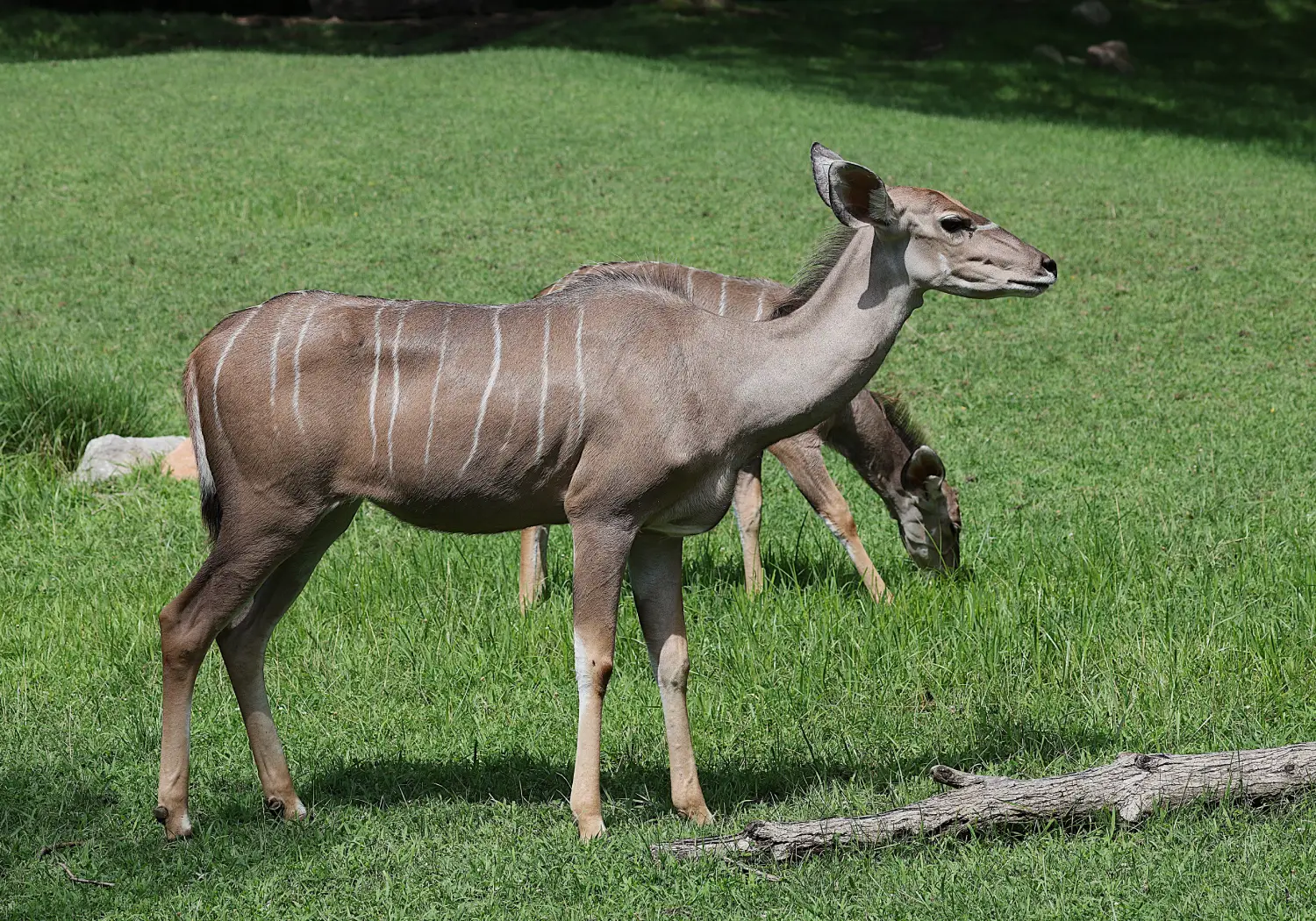
The lesser kudu (Tragelaphus imberbis) is a slender, medium-sized antelope with 11–15 thin white stripes down its sides, two white patches on the throat and large, rounded ears. Males are blue-grey with spiralling, white-tipped horns. Females and young are a warm reddish-brown and have no horns. It is one of the shyest antelopes in Africa, slipping through dense thornbush and freezing so its stripes break up its outline. Unlike the greater kudu, the lesser kudu is relatively easy to find in Kenya if you know where to look.
Quick answer: The lesser kudu lives in dry, dense bush in East Africa and the Horn of Africa. In Kenya, look for it at dawn and dusk in Tsavo East, Tsavo West, Samburu, Buffalo Springs and Meru. Sightings are never guaranteed.
What Does a Lesser Kudu Look Like?
The lesser kudu is slim and graceful, with long legs and a narrow body built for slipping through thick bush. A white stripe runs along its back, with 11–15 thin white stripes branching down each side; the count can even differ from one side to the other. Two separate white patches mark the throat, white chevrons sit between the eyes, and the ears are large and rounded. Its name, imberbis, means "beardless" in Latin, because it lacks the throat mane of the greater kudu.
Males and females look very different. Adult males are blue-grey, while females and young are a bright reddish-brown. Only males carry horns. These are slender, spiralled with two to two and a half twists, about 50–70 cm long and tipped with white. Young males start growing them at six to eight months, and they reach full length at about three years.
Lesser Kudu vs Greater Kudu: How to Tell Them Apart
- Size: the lesser kudu is much smaller, weighing about 56–105 kg against up to about 315 kg for a greater kudu bull.
- Stripes: lesser kudus have 11–15 closely spaced stripes; greater kudus have 6–10.
- Throat: lesser kudus have two white throat patches and no mane. Greater kudu bulls have a fringe of hair under the throat.
- Horns: a lesser kudu's horns are about 50–70 cm long; a greater kudu bull's can reach about 1.4 m.
- Where in Kenya: lesser kudus live in dry, lowland bush such as Tsavo and Samburu. Greater kudus are rare and found mainly in hilly areas such as Lake Bogoria and Marsabit.
Read our greater kudu profile for more.
Where Do Lesser Kudus Live?
Lesser kudus live in dry, flat or hilly country covered in dense thornbush, acacia-commiphora thickets and woodland. They need thick cover to hide in during the day and avoid open plains. Their range covers Kenya, Tanzania, Ethiopia, Somalia, South Sudan and Uganda; they have disappeared from Djibouti. Even where they are common, densities are low, rarely more than about one animal per square kilometre.
Browse our wildlife guide and Kenya national parks to see where this kind of country is found.
What Do Lesser Kudus Eat?
Lesser kudus are pure browsers. They eat leaves, shoots and twigs from bushes and trees, along with herbs, flowers and fruit. In the dry season they rely on evergreen shrubs, sometimes competing with the gerenuk for the same plants. They rarely drink, getting most of their water from their food.
Lesser Kudu Behaviour
Lesser kudus are mostly active at night and in the early morning and evening. Within a few hours of sunrise they retreat into dense thickets to rest. Females and young live in small groups; adult males usually live alone.
The Art of Hiding
When disturbed, a lesser kudu freezes, relying on its stripes to blend into the dappled shade. If spotted, it gives a sharp bark, similar to a bushbuck's, and bounds away with its white tail raised, clearing bushes with ease.
Pushing Contests
Males rarely fight seriously. Instead, they press their heads and horns together and shove, trying to push the horns down onto the rival's neck.
Predators
Lions, leopards, cheetahs, wild dogs and spotted hyenas hunt lesser kudus. Eagles, pythons and smaller carnivores take calves.
Breeding
Females give birth to a single calf after a pregnancy of about seven and a half to eight months. The mother leaves her group to give birth, and the calf hides in thick cover for its first weeks. Females can breed from about one and a half years old.
Is the Lesser Kudu Endangered?
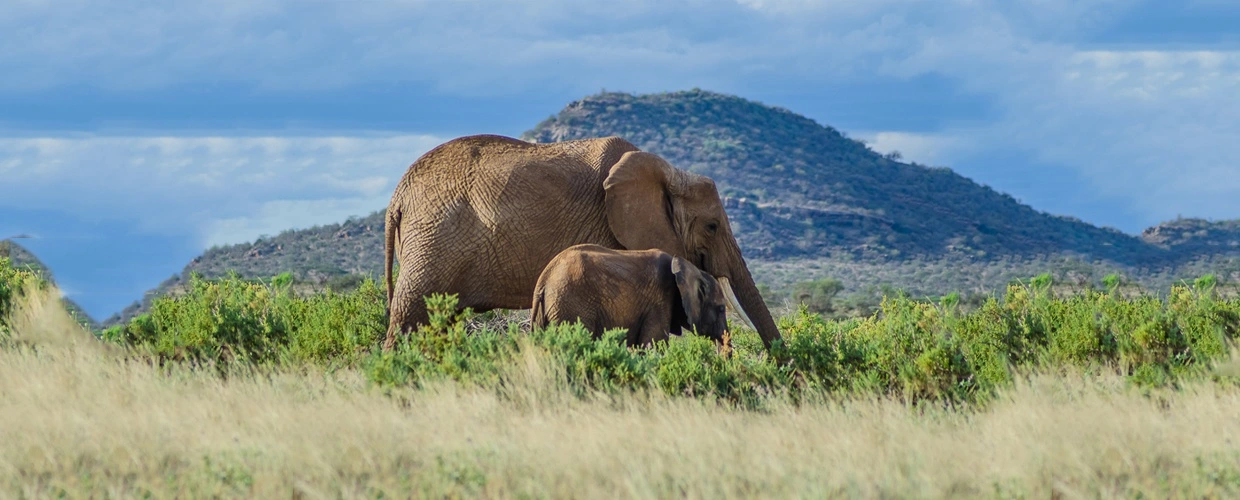
Not yet, but it is in decline. The lesser kudu is listed as Near Threatened on the IUCN Red List, with an estimated population of about 118,000 and a falling trend. About a third live in protected areas. Hunting for meat, skins and horns, and the loss of bushland to farming and settlement, are the main threats. In Tsavo, large elephant herds that open up thick bush have also reduced the cover lesser kudus depend on. You can explore recorded sightings on iNaturalist.
Learn how your trip can support wildlife with our conservation-based safaris in Kenya.
How to See Lesser Kudu on Safari in Kenya
Lesser kudus are shy, but Kenya's dry parks give some of the best chances anywhere. The key is timing and patience.
Where to Look
- Tsavo East and West: the classic lesser kudu parks, with sightings in thick bush along the roads and near waterholes. See our Tsavo East and Tsavo West guides.
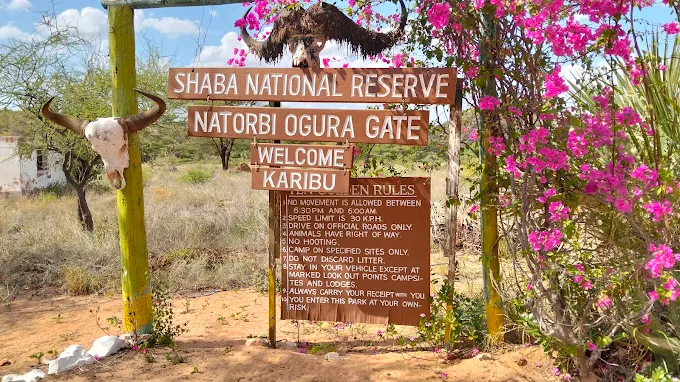
- Samburu, Buffalo Springs and Shaba: dry northern bush alongside gerenuk and Grévy's zebra. See our Samburu National Reserve, Buffalo Springs and Shaba guides.
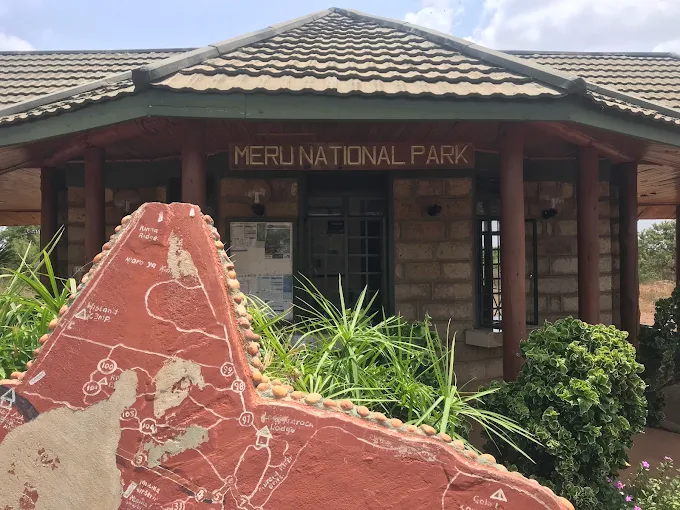
- Meru National Park: quiet, uncrowded bush with good lesser kudu habitat. See our Meru National Park guide.
- Beyond Kenya: Uganda's Kidepo Valley National Park also has lesser kudu.
Go at First and Last Light
Lesser kudus are most active at dawn and dusk and hide in thickets by mid-morning. The first and last game drives of the day give by far the best chances.
Scan the Thicket Edges
Look for large rounded ears, white throat patches or the pale stripes against dark bush. A kudu standing still is easy to miss, so drive slowly and let your guide scan.
Build a Route With Variety
The 8 Day Kenya Safari: Samburu, Ol Pejeta, Naivasha, Mara includes Samburu. The 10 Day Kenya Honeymoon Safari and Diani Beach Escape covers Tsavo West and Tsavo East. You can also browse our Kenya wildlife safaris.
Travel in the Dry Season
The bush thins out and animals gather near water, making kudus easier to spot. The drier months are generally June to October and January to February. Travelling in the wet months instead? Read Can I do a Kenya safari during the rainy season?
Photograph the Stripes
A grey male in soft early light, stripes and white-tipped horns glowing, is a rewarding photo for patient photographers. Bring a fast lens for low light. Our photographic safaris in Kenya are built for moments like this.
Responsible Wildlife Viewing
Lesser kudus are easily stressed, so keep your distance, switch off the engine and stay quiet. Never drive off-road into thickets to follow one. Let it move away into cover in its own time.
Frequently Asked Questions About the Lesser Kudu
What is a lesser kudu?
A slender, white-striped antelope of East Africa's dry bush, with spiral horns on males. Its scientific name is Tragelaphus imberbis.
How big is a lesser kudu?
About 90–110 cm at the shoulder and about 56–105 kg, with males heavier than females.
Do female lesser kudus have horns?
No. Only males carry horns, which are about 50–70 cm long and white-tipped.
What is the difference between lesser and greater kudu?
The lesser kudu is smaller, has more stripes (11–15), two white throat patches and no mane. The greater kudu is much larger, with fewer stripes and far longer horns.
What do lesser kudus eat?
Leaves, shoots, twigs, herbs, flowers and fruit. They are pure browsers and rarely drink.
Where can I see lesser kudu in Kenya?
Try Tsavo East, Tsavo West, Samburu, Buffalo Springs, Shaba and Meru, especially at dawn and dusk. Sightings are never guaranteed.
Is the lesser kudu endangered?
Not yet. It is listed as Near Threatened, with numbers falling.
When is the best time to see lesser kudu?
At first and last light. The dry months, June to October and January to February, help because the bush is thinner.
Plan Your Kenya Bush Safari
Want to search for lesser kudu, gerenuk and the Samburu Special Five in Kenya's wild dry country? Olengugih Safaris can design a private, flexible itinerary through Tsavo, Samburu, Meru and beyond. Start planning your safari or contact our team for a free quote.
Interesting facts and identification clues
Interesting Facts About the Lesser Kudu
- Its scientific name, imberbis, means beardless, because it has no throat mane.
- Male and female lesser kudus look so different that they could be mistaken for separate species.
- A lesser kudu can have a different number of stripes on each side of its body.
- It rarely drinks, getting the water it needs from leaves.
- When alarmed, it gives a sharp bark much like a bushbuck's.
- Males settle contests by pushing with their horns rather than fighting hard.
Content reviewed 19 Oct 2026