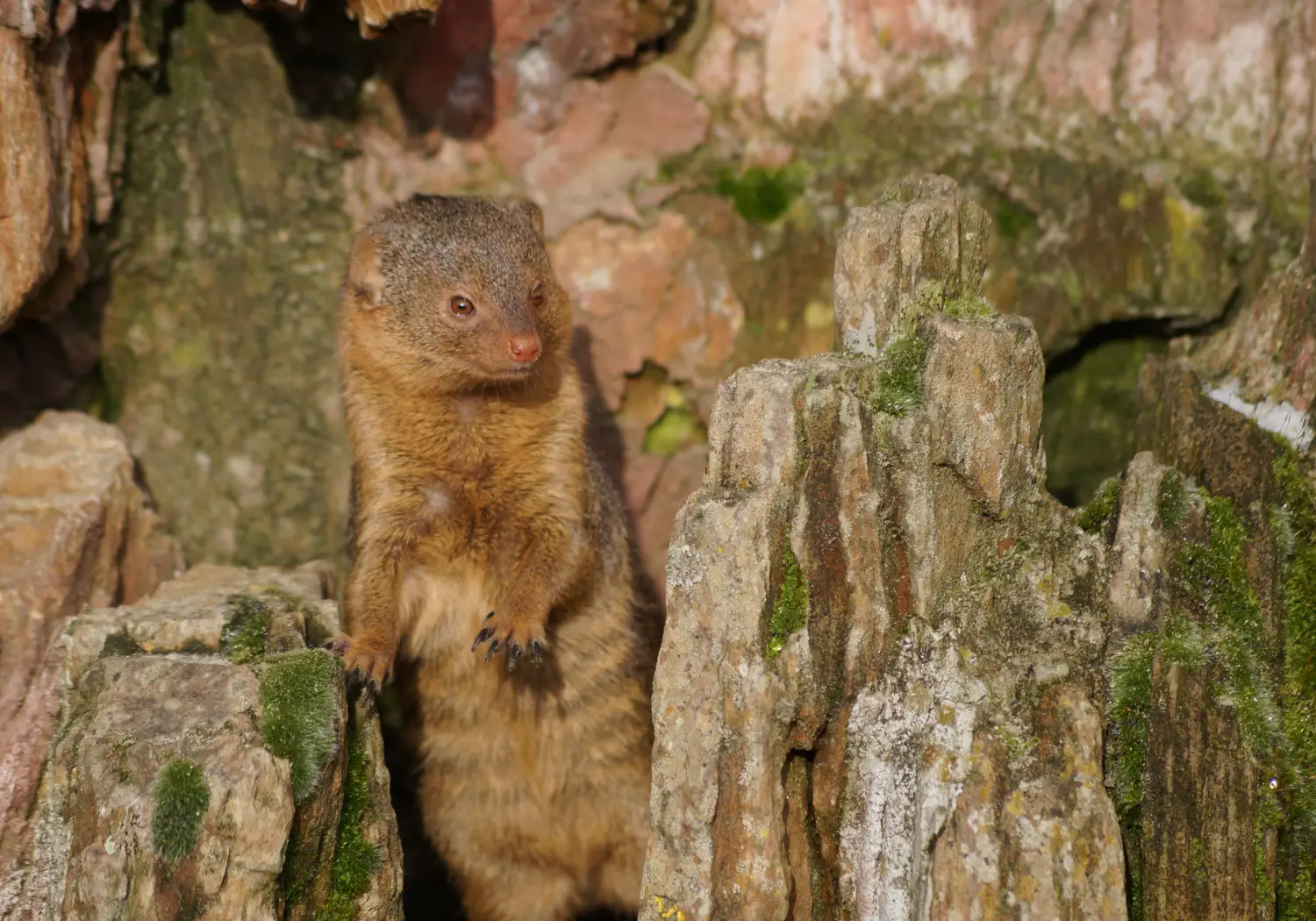
About the Marsh Mongoose
The marsh mongoose (Atilax paludinosus), also called the water mongoose, is a large, shaggy mongoose with dark brown to almost black fur and a thick, tapering tail. It lives along rivers, lakes, marshes, papyrus swamps and estuaries, where it feels for crabs, frogs and fish in mud and under rocks with its nimble front paws. It is famous for standing up and hurling hard-shelled crabs and mussels down onto rocks to crack them open. Mostly solitary and active at dusk and at night, it is seldom seen, but empty crab shells on a riverbank are a sure sign it is nearby.
Quick answer: The marsh mongoose lives near fresh water across most of sub-Saharan Africa, from sea level to almost 4,000 m. In Kenya, look for it at dusk or on night drives along water edges at Lake Naivasha, Saiwa Swamp, the Masai Mara, Amboseli and the forested streams of the Aberdares. Sightings are never guaranteed.
What Does a Marsh Mongoose Look Like?
The marsh mongoose is large for a mongoose, with a stocky body, a broad head and a long, shaggy coat. Its fur ranges from dark reddish-brown to almost black, often looking darker when wet, with paler hairs on the face. The thick tail tapers to a point. Its front feet have long, bare, sensitive fingers without webbing, which it uses to feel for prey in mud, water and rock crevices. Males are slightly larger than females.
Marsh Mongoose vs Other Mongooses in Kenya
Several mongooses live near water in Kenya. Here's how to pick out the marsh mongoose.
- Marsh mongoose: large, shaggy, uniformly dark brown, with a tapering dark tail; nocturnal near water.
- Egyptian mongoose: grizzled grey, with a long tail ending in a black tassel; active by day near water.
- White-tailed mongoose: large, with a bushy white tail; nocturnal in grassland and woodland.
- Banded mongoose: smaller, with dark bands across the back; lives in packs by day. Read our banded mongoose profile.
Where Do Marsh Mongooses Live?
Marsh mongooses live across most of sub-Saharan Africa, from Senegal and Sierra Leone east to Ethiopia and south to South Africa, wherever there is permanent water and good cover. They are absent from the driest regions. According to the IUCN Red List assessment, they have been recorded from sea level up to 3,950 m in Ethiopia's Bale Mountains.
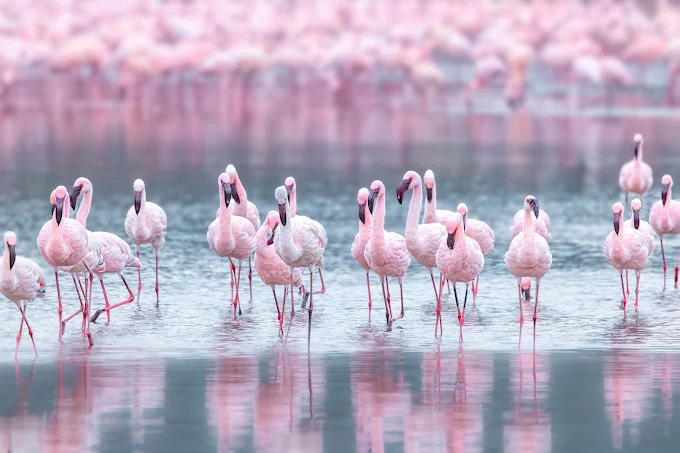
They live along rivers and streams, lake shores, marshes, papyrus swamps, reedbeds and coastal estuaries, and are an important part of papyrus swamp communities. Browse our wildlife guide and Great Lakes of Kenya to see where these habitats are found.
What Do Marsh Mongooses Eat?
Marsh mongooses are skilled aquatic foragers. Crabs are often their main prey where they are common, along with frogs, fish, mussels, snails and aquatic insects. They also eat rodents, birds and their eggs, reptiles and some fruit. Research summarised by the University of Pretoria shows they are flexible, opportunistic feeders that switch to other prey where crabs are scarce.
Crab-Smashing Technique
A marsh mongoose stands up on its hind legs and throws a hard-shelled crab or mussel down onto a rock to crack it. Small crabs are eaten whole. With larger ones, it flips them over, bites off the claws and eats the meat, leaving the empty shell behind.
Marsh Mongoose Behaviour
Marsh mongooses are usually solitary and most active at dusk and at night, though they are sometimes seen by day.
Swimmer and Forager
They are excellent swimmers but often prefer to keep their heads above water, swimming along banks and feeling through underwater holes and crevices. They rest on floating vegetation and grassy patches, and follow regular paths along the water's edge.
Signs to Look For
Marsh mongooses leave droppings at regular latrine sites on rocks or sand near water. Empty, upturned crab shells on a riverbank are a sure sign one is nearby.
Voices
When threatened, a marsh mongoose growls, building up to loud barking if pressed. When excited it may give a high-pitched cry.
Predators
Pythons, Nile crocodiles, leopards and large birds of prey can take marsh mongooses, especially the young.
Breeding
Little is known about breeding in the wild. In captivity, females give birth to two to three pups after a pregnancy of about 69–80 days, in a nest of grass or reeds or in a burrow.
Is the Marsh Mongoose Endangered?
No. The marsh mongoose is listed as Least Concern on the IUCN Red List because it is widespread. However, it depends on healthy wetlands and riverbanks. Draining of swamps, clearing of riverside vegetation, water pollution, dams and the over-use of water for farming can all reduce its habitat. It is also sometimes killed by poultry farmers and caught in snares. You can explore recorded sightings on iNaturalist.
Protecting Kenya's wetlands, such as Saiwa Swamp and the papyrus fringes of Lake Naivasha, helps marsh mongooses and many other species, including the sitatunga. Learn more with our conservation-based safaris in Kenya.
How to See Marsh Mongooses in Kenya
Marsh mongooses are shy and mostly nocturnal, so a sighting takes patience and luck. The best chances are at dusk, at dawn or on night drives near water.
Where to Look
- Lake Naivasha: papyrus and reed fringes and the lakeshore around lodges at dusk. See our Lake Naivasha guide.
- Saiwa Swamp National Park: papyrus swamp with boardwalks and viewing towers. See our Saiwa Swamp National Park guide.
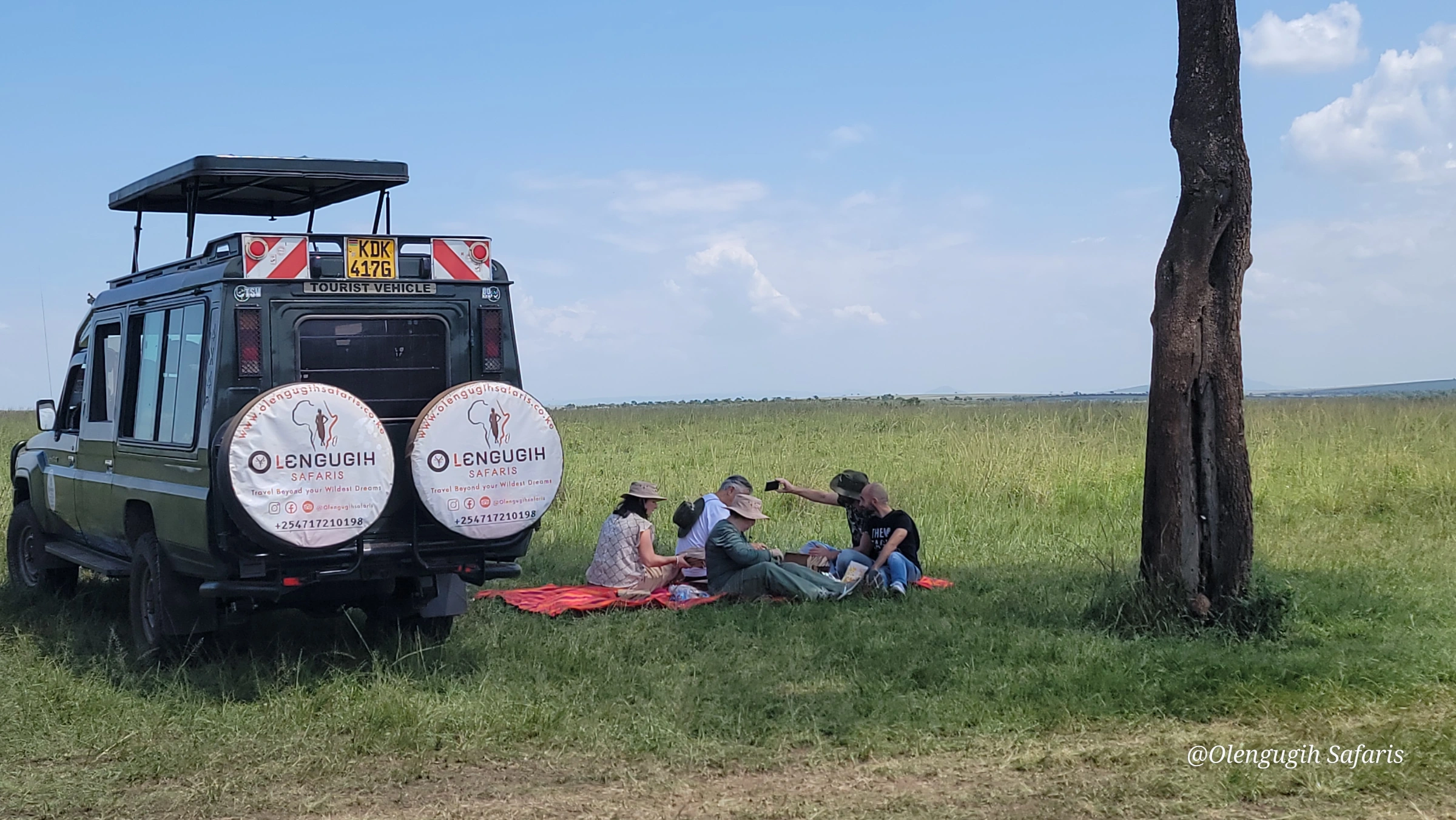
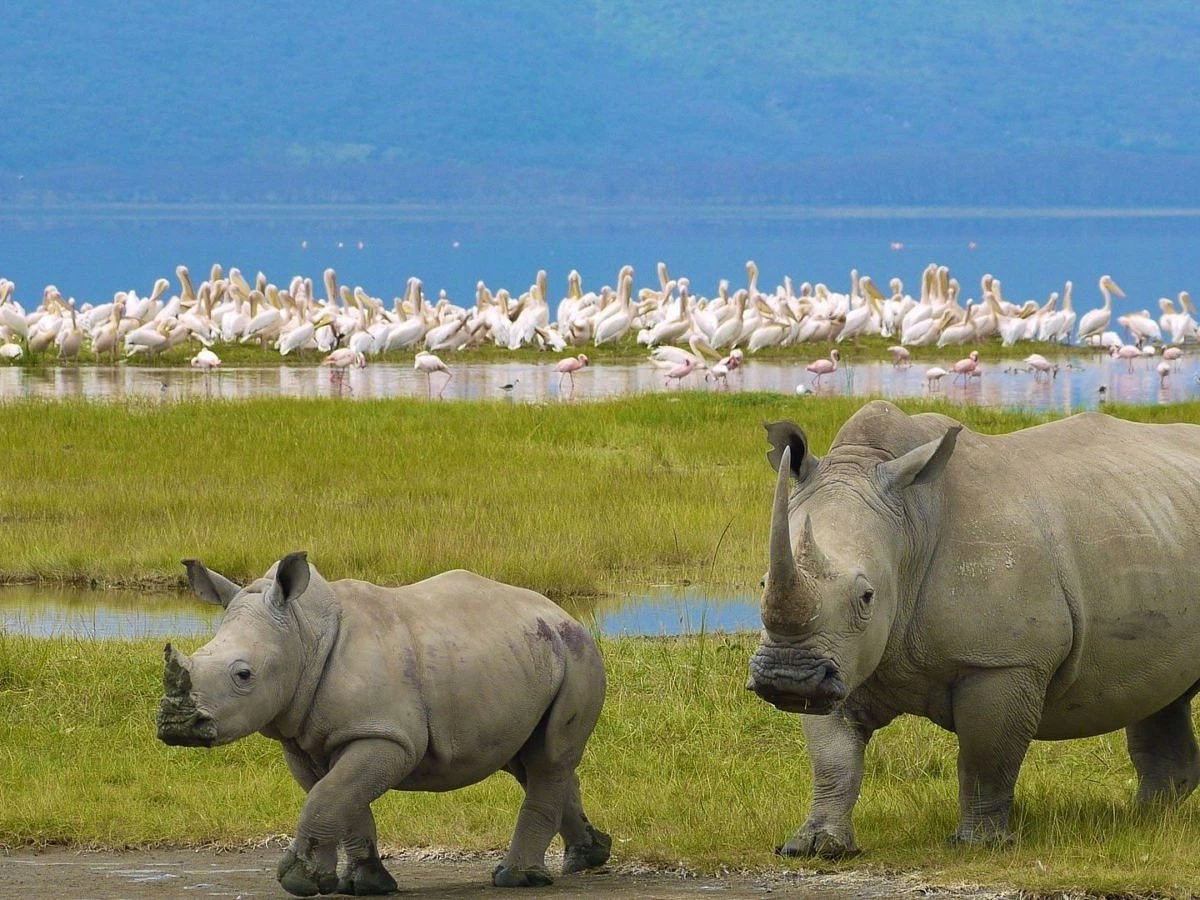
- Masai Mara: riverbanks along the Mara and Talek rivers, especially in conservancies that offer night drives. See our Masai Mara National Reserve guide.
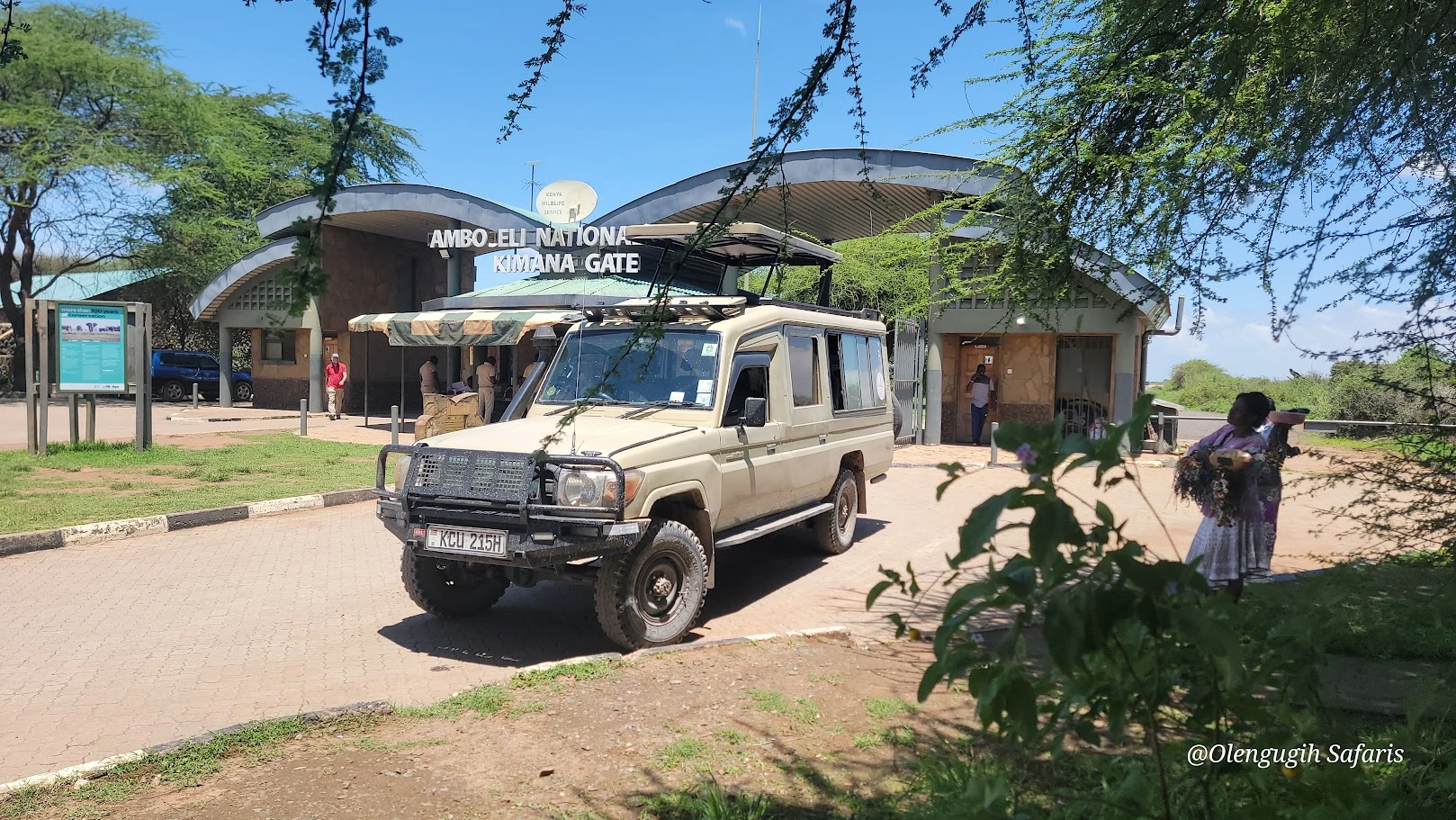
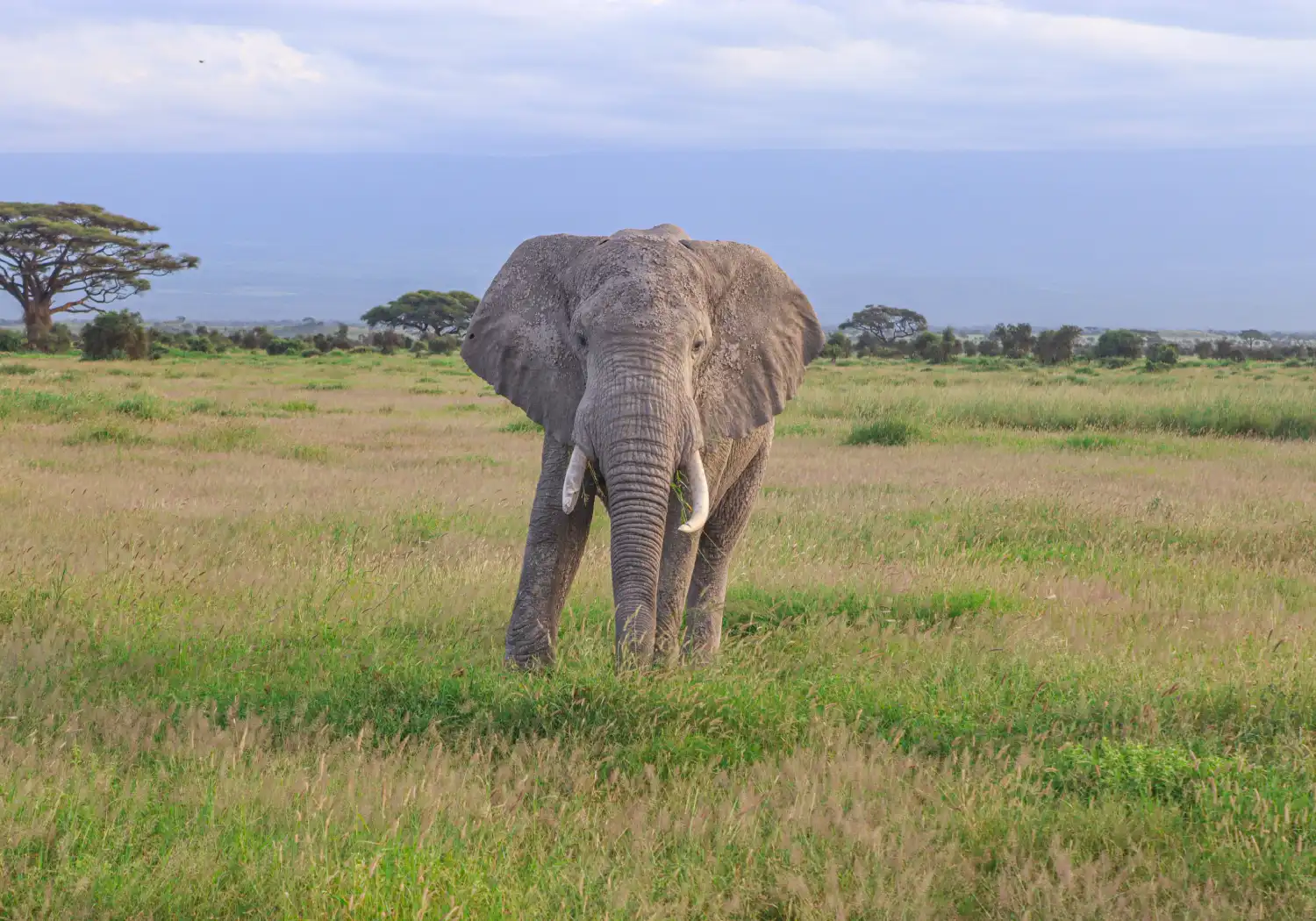
- Amboseli: the edges of the permanent swamps. See our Amboseli National Park guide.
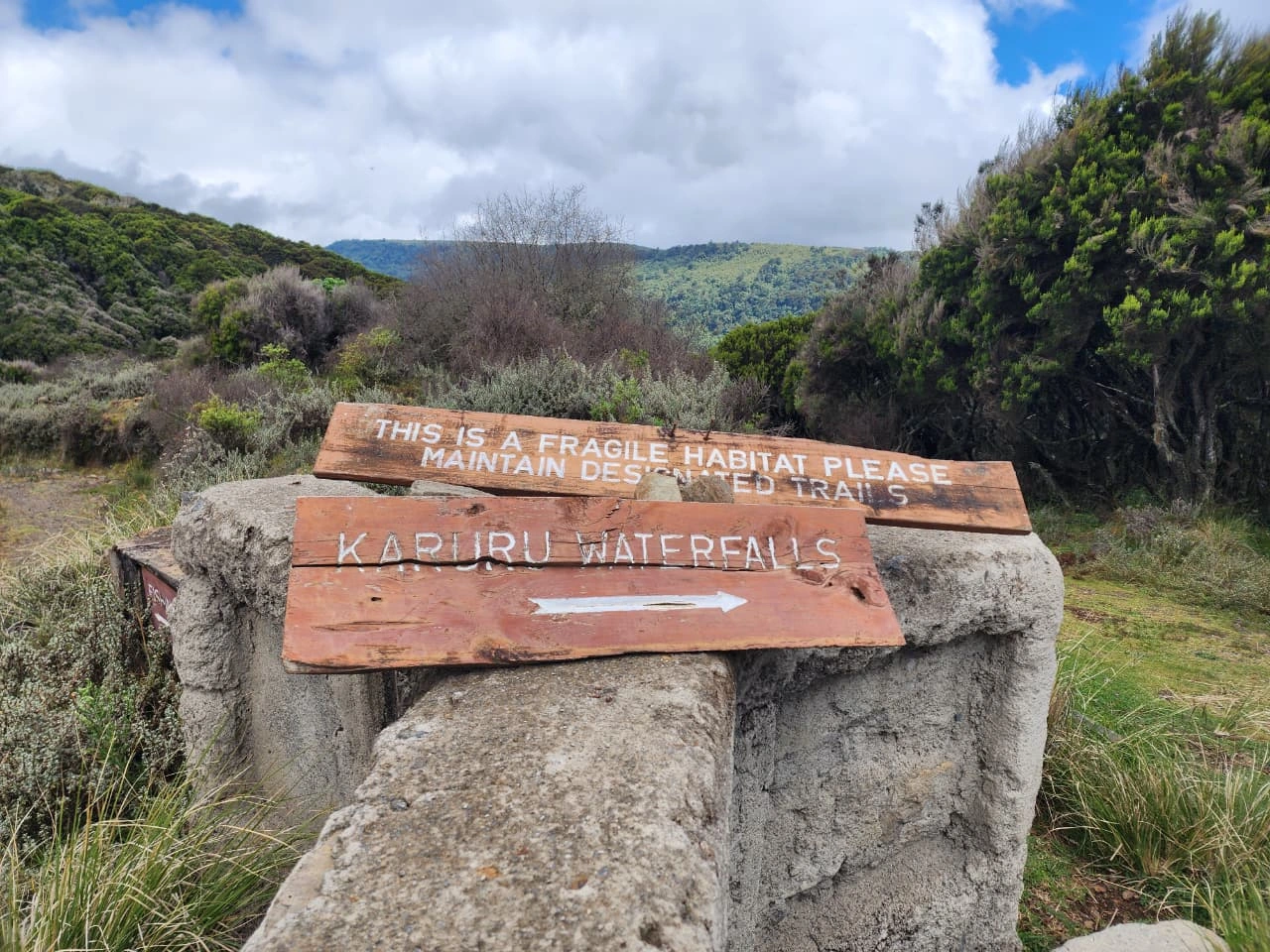
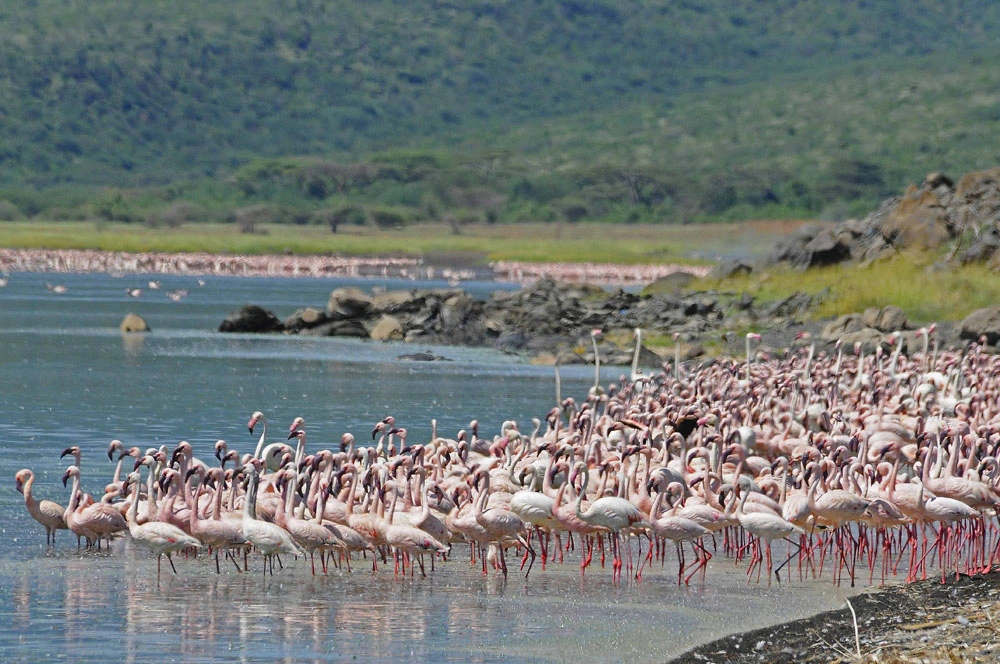
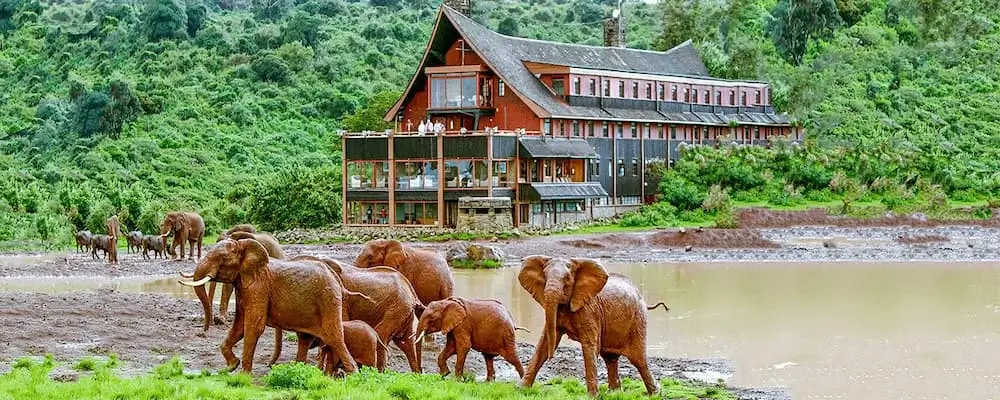
- Lake Nakuru and the Aberdares: streams and forest edges, and floodlit waterholes at the Aberdare lodges. See our Lake Nakuru and Aberdare National Park guides.
Book a Night Drive
Private conservancies around the Mara and in Laikipia offer guided night drives along rivers, giving the best chance of seeing marsh mongooses and other nocturnal animals.
Look for Crab Shells
Even if you don't see the mongoose itself, look for broken crab shells and droppings on rocks and sand along riverbanks. They show that a marsh mongoose has been hunting nearby.
Watch at Dusk
Marsh mongooses often appear along water edges just as the light fades. A sundowner by a river or lake can be a good time to look.
Build a Route With Variety
The 7 Day Kenya Elephants, Lakes and Masai Mara Safari covers Amboseli, the Rift Valley lakes and the Mara. You can also browse our Kenya wildlife safaris.
Travel in the Dry Season
Wildlife gathers near permanent water, making riverbank foragers easier to find. The drier months are generally June to October and January to February. Travelling in the wet months instead? Read Can I do a Kenya safari during the rainy season?
Responsible Wildlife Viewing
On night drives, keep spotlights off the animal's eyes for long, stay quiet and follow your guide's lead. At lodges near water, never leave food out or try to feed mongooses. On walking trails, such as at Saiwa Swamp, stay on the boardwalks and paths.
Frequently Asked Questions About the Marsh Mongoose
What is a marsh mongoose?
A large, shaggy, dark brown mongoose that lives near water and hunts crabs, frogs and fish. Its scientific name is Atilax paludinosus.
Is the marsh mongoose the same as the water mongoose?
Yes. They are two common names for the same species.
How big is a marsh mongoose?
The body is about 44–62 cm long, the tail about 25–36 cm, and it weighs about 2.5–5 kg.
What do marsh mongooses eat?
Mainly crabs, frogs, fish, mussels and snails, plus rodents, insects, birds, eggs and some fruit.
Can marsh mongooses swim?
Yes. They are excellent swimmers, though they usually keep their heads above water.
Where can I see marsh mongooses in Kenya?
Near water at Lake Naivasha, Saiwa Swamp, the Masai Mara, Amboseli, Lake Nakuru and the Aberdares, especially at dusk or on night drives. Sightings are never guaranteed.
Are marsh mongooses endangered?
No. They are listed as Least Concern, but they depend on healthy wetlands.
Plan Your Kenya Wetlands Safari
Want to explore Kenya's lakes, swamps and rivers, and the shy creatures that live along them? Olengugih Safaris can design a private, flexible itinerary through Naivasha, Saiwa Swamp, the Mara and beyond. Start planning your safari or contact our team for a free quote.
Sources
- Weight, foraging by feel, throwing crabs onto rocks, how crabs are eaten, crepuscular and nocturnal habits, latrines, and a 69–80-day pregnancy with two to three pups: Handbook of the Mammals of the World, via Zenodo
- Range and altitude up to 3,950 m in Ethiopia: IUCN Red List assessment (2015)
- Least Concern status and the alternative name water mongoose: Wikipedia
- Body and tail length and weight range: BioDiversity4All (iNaturalist network)
- Papyrus swamp habitat, swimming, resting on floating vegetation and calls: JungleDragon
- Discarded crab shells as signs and habitat threats: Namibia Carnivore Red Data Book
- An opportunistic diet where crabs are scarce: University of Pretoria (Do Linh San et al., 2020)
- Captive lifespan of 17 years: Wikipedia for Schools
Interesting facts and identification clues
Interesting Facts About the Marsh Mongoose
- The marsh mongoose cracks crabs and mussels by throwing them down onto rocks.
- Its long, bare fingers are very sensitive and help it feel for prey in mud and water.
- Empty crab shells on a riverbank are a telltale sign of a marsh mongoose.
- It has been recorded as high as 3,950 m in Ethiopia's Bale Mountains.
- It often rests on floating vegetation in swamps.
- In captivity, marsh mongooses have lived up to 17 years.
Content reviewed 27 Oct 2026